
Fitness Pilates Stainless Steel Removable Hook Stretch Pull Spring
Pilates Stainless Steel Spring, 2.2×25×450mm, 1.2kg — surgical-grade stainless steel wire drawn to uniform coil geometry for repeatable tension across full extension, paired by resistance grade before shipment to eliminate mismatched feel in studio fleets. End-hook design ensures compatibility with reformer carriages and tower spring bars, with batch-matched load testing for standardized programming. Every spring undergoes 32-point inspection and 100% load testing before dispatch.
- Commercial-grade durability -- built for 24/7 high-traffic facilities
- Whisper-quiet operation -- ideal for hotels & residential settings
- OEM/ODM available -- custom branding, finish & parameters
- Direct from factory -- Shandong, China with global export
Everything you need to know
Precision Coil Geometry — Surgical-grade stainless steel wire drawn to uniform tolerance, ensuring every spring in a set delivers identical resistance across the full extension range.
Technical Specifications
| Parameter | Value |
|---|---|
| Product Type | Pilates Accessories |
| Material | Stainless Steel |
| Specification | 2.2×25×450mm |
| Net Weight | 1.2kgs |
| Color | Solid Color |
| Customization | Customized logo is allowed |
| Warranty | 3 Years |
| Certification | CE |
Application Suitability
| Setting | Typical Use |
|---|---|
| Rehabilitation and physiotherapy clinic | Graded resistance protocols under professional supervision, where predictable tension progression supports controlled movement |
| Boutique Pilates studio group class | Standardized spring sets across reformer fleets so every carriage responds identically during programmed sequences |
| Private residential studio | Mixed user strength levels accommodated through interchangeable resistance grades on a single apparatus |
| Hotel spa and wellness suite | Quiet, consistent operation that maintains the ambient atmosphere expected in premium wellness environments |
| Teacher training and certification space | Reliable tension calibration for instructor education where precise resistance feedback is essential |
Why Springs Marketed as Interchangeable Often Fail the Studio Floor
A fifteen percent tension variance within a single box makes progressive programming impossible.
Springs sold as studio-ready frequently arrive with resistance values that drift across the batch. Instructors end up compensating on the fly — adjusting choreography because one reformer pulls heavier than the next. For rehabilitation clinics specifying graded resistance work, this inconsistency undermines the entire protocol. The stainless steel pilates spring for reformer sets we supply are load-tested and paired by resistance grade before shipment, so a ten-spring order feels like one instrument, not ten guesses. [NEED_CITE: spring tension grading standards for Pilates equipment consistency]
How This Spring Integrates Into a Studio Equipment Fleet
The stainless steel pilates spring for reformer apparatus functions as the primary resistance module on carriage-based systems and tower spring bars. It pairs with lighter and heavier gauge springs in the same series to create a progressive resistance ladder — from rehabilitation-grade low load to advanced athletic conditioning. Studios typically outfit each reformer with a matched set of three to five springs, allowing instructors to combine grades for nuanced programming. The end-hook geometry is designed for standard reformer carriage pins and tower attachment points, and the 450mm extension range covers the full working stroke on most commercial reformers.
Environmental and Spatial Considerations for Studio Installation
Stainless steel springs require minimal floor space — they ship flat-packed and mount directly onto existing apparatus. However, humid studio environments demand attention to corrosion resistance; the stainless alloy selected here resists surface oxidation even in coastal or high-humidity climates where sweat and ambient moisture accelerate degradation on carbon steel alternatives. Temperature fluctuations within a studio do not materially affect tension performance, but springs should be stored away from direct sunlight to preserve the protective finish. In high-traffic studios running eight or more classes daily, spring fatigue becomes a maintenance factor — periodic tension checks ensure the resistance curve remains within specification over the warranty period. [NEED_CITE: corrosion resistance ratings for stainless steel in humid indoor environments]
Material and Manufacturing Rationale
The stainless steel wire used in these springs is drawn to a precise 2.2mm diameter, then cold-coiled around a mandrel to achieve the 25mm outer coil diameter and 450mm free length. This geometry determines the spring rate — the force required per unit of extension — and consistency in both wire diameter and coil pitch is what separates a matched set from a box of randoms. The alloy composition provides inherent corrosion resistance without additional plating, which matters in barefoot, close-contact practice where skin meets equipment repeatedly. Each spring undergoes individual load testing at defined extension points, and batch-matched sets are documented so that a replacement spring ordered six months later will align with the original tension grade. The end hooks are formed to a standardized radius that distributes load evenly across the attachment pin, reducing stress concentration and extending fatigue life.
The Hidden Cost of Unmatched Spring Batches
When springs from different production runs are mixed on a single reformer, the carriage tracks unevenly — one side pulls harder than the other, and the instructor notices before the client does. Over time, this asymmetry forces compensatory movement patterns that undermine the precision Pilates methodology is built on. Worse, when a studio needs to replace a single broken spring months after the original order, sourcing an exact tension match from a different supplier becomes a search for a非标 part — the exact scenario that led us to implement batch documentation and tension grading in the first place. Springs without proper end-hook geometry can slip under load or damage carriage pins, creating both a safety concern and a repair bill that exceeds the cost of quality springs initially. [NEED_CITE: fatigue life testing protocols for Pilates spring components]
Why Source This Spring From Our Workshop
Every stainless steel pilates spring for reformer sets is load-tested individually and paired by resistance grade before shipment, eliminating the batch inconsistency that disrupts studio programming. The stainless alloy is selected for corrosion resistance in humid environments, and the end-hook dimensions are verified against standard reformer carriage specifications. We provide full tension specification sheets showing resistance values at defined extension points, along with batch matching documentation for multi-spring orders. Custom logo marking is available for studios wanting branded hardware, and the three-year warranty covers material and workmanship defects under normal studio use. Our documentation package includes material certification for the stainless grade, tension grading records, and a spare parts list for future replacement orders.
Documentation & Material Records
- FSC timber certification for any wood components in the broader equipment line
- Stainless steel grade material certification with corrosion resistance data
- Spring tension specification sheet showing resistance at defined extension points
- Batch matching documentation for multi-spring orders
- CE declaration of conformity for applicable markets
- Assembly, care guide, and spare parts replacement list
Installation, Care & Studio Setup
- Springs mount directly to reformer carriages or tower spring bars using standard hook-and-pin attachment
- Store unused springs in dry conditions away from direct sunlight to preserve surface finish
- Inspect end hooks quarterly for deformation or stress marks that indicate overload
- Replace springs showing visible coil distortion or measurable tension loss beyond warranty tolerance
- Clean with mild detergent and soft cloth; avoid abrasive pads that compromise the surface finish
- Order replacement springs with batch reference number to ensure tension match with original set
Let Us Match the Right Resistance Configuration for Your Studio
Share your reformer model, fleet size, and typical class intensity level so we can recommend the appropriate spring grade combination. Studios in humid or coastal climates should confirm the environment so we verify alloy suitability. We can provide tension specification sheets and sample springs for evaluation before committing to a full fleet order. Custom logo marking is available — share your branding files and we will confirm lead time for marked hardware.
Frequently Asked Questions
Q: How is spring tension measured and graded across a production batch? A: Each spring is tested at defined extension points using calibrated load cells, and resistance values are recorded. Springs within the same grade are grouped so that a matched set delivers uniform tension. Batch documentation accompanies every order, and replacement springs can be matched to the original batch reference for consistency.
Q: What stainless steel grade is used, and how does it resist corrosion in humid studio environments? A: The springs are manufactured from a corrosion-resistant stainless alloy selected for indoor fitness environments. The material resists surface oxidation from ambient humidity and perspiration without requiring additional plating. Material certification documentation is available upon request to confirm alloy composition and corrosion resistance properties.
Q: How do I match spring resistance to client strength and rehabilitation stage? A: Spring selection depends on the exercise, the user's strength level, and the movement being performed. Studios typically stock multiple grades — lighter springs for rehabilitation and controlled movement work, medium grades for standard class programming, and heavier springs for advanced conditioning. We provide tension specification sheets to help instructors map grades to their programming needs.
Q: What is the recommended replacement cycle for springs under daily studio use? A: Replacement timing depends on usage frequency and load intensity. Springs in high-traffic studios running multiple daily classes should be inspected quarterly for tension drift or coil distortion. The three-year warranty covers material defects, but springs subjected to sustained maximum extension may require earlier replacement. We recommend keeping batch-matched spare springs on hand for immediate substitution.
Q: Can springs be custom-labeled or color-coded for studio branding? A: Custom logo marking is available on the spring hooks or packaging, depending on order volume. Color-coding options for resistance grades can be discussed during the quotation process. Share your branding requirements and fleet size, and we will confirm feasibility and lead time for customized hardware.
Trusted by global procurement teams
From five-star hotels to flagship gyms, our cardio equipment delivers reliability, intelligence, and silence -- everywhere it's installed.
Whisper Drive™
Suspended motor mounts keep noise below 52 dB -- quieter than a library.
Smart Monitoring
Real-time HR, cadence, power & recovery analytics for every session.
Custom Design
Tailor finishes, console UI, branding and frame parameters to your facility.
Turnkey Service
End-to-end consultation: layout, equipment mix, acoustic treatment delivered.
Request a quote for
Fitness Pilates Stainless Steel Removable Hook...
Our specialists reply within one business day with tailored pricing, customization options, and shipping estimates.
Related Products
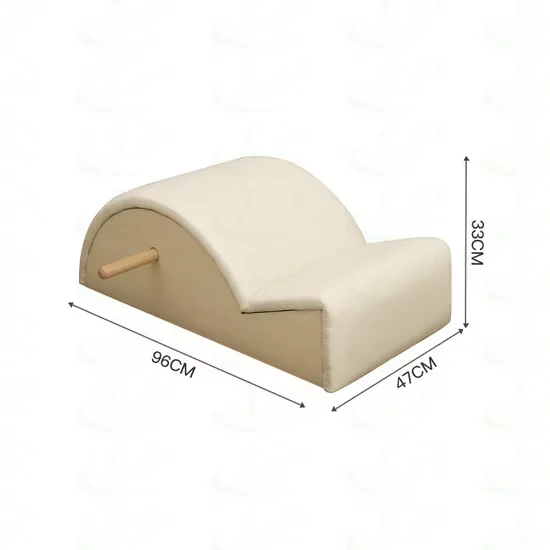
Senrui Maple Wood Pilates Spine Corrector for Studio Use

Home Pilates Combo Chair for Studio
![White Oak Maple Wood Pilates Reformer for Yoga Studio [WARN] draft identifier mismatch](https://bicklife.com/wp-content/uploads/2026/08/white-oak-maple-wood-pilates-reformer-for-yoga-studio-warn-draft-identifier-mismatch-e54b03.webp)
White Oak Maple Wood Pilates Reformer for Yoga Studio [WARN] draft identifier mismatch
![Wholesale 6mm TPE Pilates Mat Strap Double Layer NBR Yoga Mat[/result]](https://bicklife.com/wp-content/uploads/2026/08/wholesale-6mm-tpe-pilates-mat-strap-double-layer-nbr-yoga-mat-result-668b93.webp)