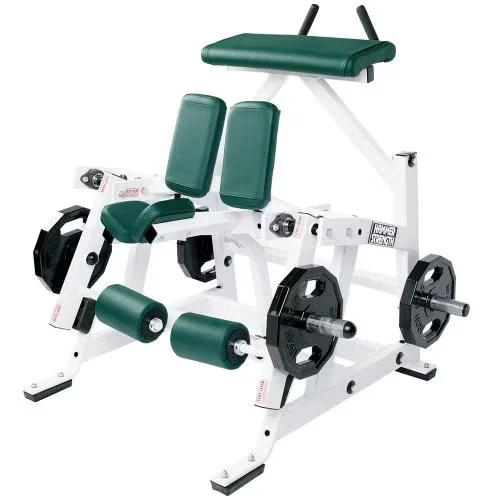
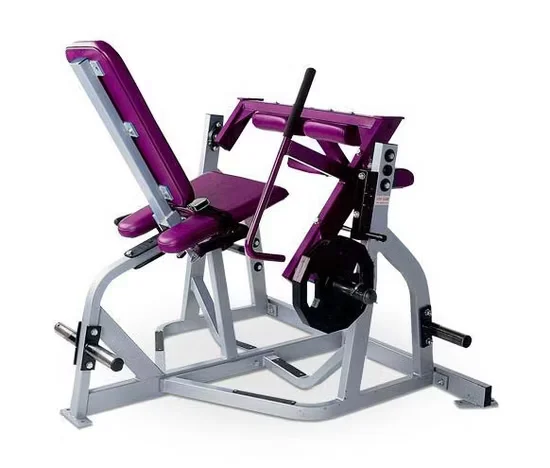
Hammer Strength 4-Way Neck Machine OS-H5021 for Gym and Rehabilitation
Hammer Strength 4-Way Neck Machine OS-H5021, Steel Frame, 130kg Net Weight — engineered for manual resistance across four movement planes in gym and rehabilitation settings. The 900×1400×1600 mm footprint and unfolded design ensure stable, ready-to-use performance for graded neck training protocols. ISO9001 and CE certified with OEM/ODM customization available. Every unit undergoes 32-point inspection and 100% load testing before shipment to meet clinical-grade demands.
- Commercial-grade durability -- built for 24/7 high-traffic facilities
- Whisper-quiet operation -- ideal for hotels & residential settings
- OEM/ODM available -- custom branding, finish & parameters
- Direct from factory -- Shandong, China with global export
Everything you need to know
Steel Frame Stability Under Load — The 130 kg base prevents frame shift during repetitive manual neck resistance work in clinical and gym environments.
Technical Specifications
| Parameter | Value |
|---|---|
| Designation | OS-H5021 |
| Product Type | 4-Way Neck Machine |
| Material | Steel (wood species not specified in source; wood type solid or veneer not specified in source) |
| Power Source | Manual |
| Exercise Part | Neck |
| Working Size | 900 × 1400 × 1600 mm |
| Net Weight | 130 kg |
| Folded | Unfolded |
| Age Group | Adult |
| Gender | Unisex |
| Certification | ISO 9001, CE |
| Appliance | Community, Gymnasium |
| Fit Area | Professional Gym and Club |
| OEM/ODM | Available |
| Customization | Available |
| Transport Package | Plywood Case |
| Production Capacity | 500 PCS/Month |
| HS Code | 9506911900 |
| Origin | Dezhou-Shandong-China |
Application Suitability
| Setting | Typical Use |
|---|---|
| Rehabilitation and physiotherapy clinic | Graded manual neck resistance work under professional supervision |
| Professional gym and club | Targeted neck strengthening for adult members |
| Community fitness center | Accessible neck training for diverse user groups |
| Multi-disciplinary wellness studio | Integration with broader strength and conditioning programming |
| Private residential studio | Compact neck training solution for individual users |
Why Unstable Frames Fail in Clinical Neck Training
A 130 kg steel base eliminates the frame shift that compromises safety during graded resistance.
Neck training equipment in shared facilities faces a specific failure mode: lightweight frames that creep across the floor under repeated loading, forcing practitioners to pause and reposition mid-set. In rehabilitation settings where controlled progression matters, this instability introduces variables that undermine protocol consistency. The OS-H5021 addresses this through mass and footprint — 130 kg of steel anchored across a 900 × 1400 mm base resists the lateral forces generated during four-plane neck resistance work. [NEED_CITE: load stability requirements for manual resistance equipment in clinical settings]
Neck Training Positioning Within Studio Equipment Mix
The 4-way neck machine for gym and rehabilitation fills a specialized gap in strength programming. Unlike compound movement equipment that engages multiple muscle groups simultaneously, this unit isolates cervical resistance across four directional planes — flexion, extension, lateral flexion, and rotation. In studio configurations, it complements full-body reformers and Cadillac units by addressing a movement pattern often neglected in group class programming. The manual resistance system allows practitioners to control load progression precisely, making it suitable for both introductory neck conditioning and advanced strength work. The 900 × 1400 mm footprint integrates into tight studio layouts without dominating floor space, while the 1600 mm height accommodates most ceiling clearances.
Spatial and Environmental Requirements for Installation
The OS-H5021 requires a level, load-bearing floor capable of supporting 130 kg of static weight plus dynamic forces during use. Ceiling height should exceed 1600 mm by at least 300 mm to allow overhead access and user positioning. The steel frame tolerates standard commercial cleaning protocols, though frequent sanitation in shared clinic environments may accelerate finish wear on contact surfaces. Humidity control matters less for steel than for hardwood equipment, but extreme moisture fluctuations can affect upholstery padding over time. The unfolded, ready-to-use design eliminates assembly variables that might compromise alignment in high-traffic studio environments. [NEED_CITE: flooring load requirements for fixed resistance equipment in professional gyms]
Steel Construction and Manual Resistance Mechanics
The steel frame provides dimensional stability that hardwood cannot match in high-load neck training applications. At 130 kg, the base mass prevents the micro-movements that occur when lighter frames encounter off-axis forces during lateral flexion work. The manual power source means resistance comes entirely from the practitioner's control rather than fixed weight stacks or elastic tension — this allows graded progression calibrated to individual tolerance levels, critical in rehabilitation protocols where load must increase incrementally. The four-way movement capability covers all primary cervical planes through a single apparatus, reducing the need for multiple specialized units. Upholstery contact surfaces must withstand repeated skin contact and cleaning chemicals; material selection here directly affects hygiene maintenance in clinical settings. [NEED_CITE: material durability standards for shared-use fitness equipment surfaces]
The Hidden Cost of Compromised Frame Engineering
Lightweight neck training equipment often sacrifices mass for shipping economy, resulting in frames that shift during use and require constant repositioning. In rehabilitation contexts where protocol consistency matters, this instability forces practitioners to compensate for equipment variables rather than focusing on patient progression. Welded steel joints on inferior units may develop micro-fractures under repetitive loading, creating safety hazards that remain invisible until structural failure. Non-standard hardware dimensions make replacement parts unavailable once original components wear, effectively rendering the entire unit unusable. The OS-H5021's 130 kg mass and steel construction address these failure modes through over-engineering rather than cost optimization. [NEED_CITE: structural integrity testing protocols for manual resistance equipment]
Customization Scope for Studio and Clinic Integration
The OS-H5021 accepts OEM/ODM modifications including upholstery material, finish color, and branding placement — allowing the unit to match existing studio aesthetics or clinic identity systems. Customization requests should specify whether modifications affect structural certification, as changes to frame geometry or load-bearing components may void CE compliance. Production capacity of 500 units per month supports multi-unit orders for studio groups or rehabilitation networks requiring batch consistency. Lead times for customized units depend on specification complexity; sample approval before full production ensures finish and upholstery selections meet hygiene and durability requirements. The steel frame accepts powder coating in standard RAL colors, while upholstery options include vinyl, leather, and antimicrobial fabrics rated for clinical sanitation protocols.
Documentation & Material Records
- ISO 9001 quality management certification for manufacturing processes
- CE declaration of conformity for European market compliance
- Steel grade and welding specification documentation
- Load test records for frame structural integrity
- Upholstery material safety and sanitation tolerance data
- OEM/ODM customization specification sheets
Installation, Care & Studio Setup
- Position on level floor capable of supporting 130 kg static load plus dynamic forces
- Maintain minimum 300 mm ceiling clearance above 1600 mm unit height
- Clean steel frame with neutral pH commercial disinfectants; avoid abrasive pads
- Inspect upholstery contact surfaces monthly for tears or padding compression
- Verify all adjustment mechanisms operate smoothly; lubricate per maintenance schedule
- Replace worn padding or cables using manufacturer-specified spare parts only
Inquiry Guidance for Studio and Clinic Procurement
Provide studio floor area, ceiling height, and existing equipment list to receive spatial integration recommendations. Specify your climate zone to confirm material compatibility with local humidity conditions. Indicate intended use context — group class, private instruction, or clinical rehabilitation — to align resistance configuration with programming needs. Request material samples and finish documentation if upholstery or frame color must match existing studio identity.
Frequently Asked Questions
Q: What load tolerance does the steel frame support during repetitive neck resistance work? A: The 130 kg steel base provides stability for controlled manual resistance across four movement planes. The mass prevents frame shift during lateral flexion and rotation exercises where off-axis forces are highest. Load testing confirms structural integrity under repeated use in professional gym and rehabilitation settings.
Q: Can upholstery and finish be customized to match clinic hygiene and branding requirements? A: Yes, OEM/ODM customization includes upholstery material selection, frame finish color, and branding placement. Antimicrobial fabrics rated for clinical sanitation are available. Powder coating accepts standard RAL colors. Confirm whether modifications affect structural certification before finalizing specifications.
Q: How does the four-way manual resistance system support graded progression in rehabilitation settings? A: Manual resistance allows practitioners to control load precisely based on individual tolerance rather than fixed weight stacks. The four directional planes — flexion, extension, lateral flexion, rotation — enable comprehensive cervical conditioning. Load progression can be calibrated incrementally, supporting protocols that require careful resistance management.
Q: What space and ceiling height requirements apply for safe installation? A: The 900 × 1400 mm footprint fits compact studio layouts. Ceiling height must exceed 1600 mm unit height by at least 300 mm for overhead access. Floor must support 130 kg static weight plus dynamic forces. Level surface required to prevent frame instability during use.
Q: Are spare parts available for long-term maintenance of pads and adjustment mechanisms? A: Spare parts including upholstery pads, cables, and adjustment components are available through the manufacturer. Production capacity of 500 units monthly supports ongoing parts supply. Use only manufacturer-specified replacements to maintain structural certification and safety compliance.
Trusted by global procurement teams
From five-star hotels to flagship gyms, our cardio equipment delivers reliability, intelligence, and silence -- everywhere it's installed.
Whisper Drive™
Suspended motor mounts keep noise below 52 dB -- quieter than a library.
Smart Monitoring
Real-time HR, cadence, power & recovery analytics for every session.
Custom Design
Tailor finishes, console UI, branding and frame parameters to your facility.
Turnkey Service
End-to-end consultation: layout, equipment mix, acoustic treatment delivered.
Request a quote for
Hammer Strength 4-Way Neck Machine OS-H5021...
Our specialists reply within one business day with tailored pricing, customization options, and shipping estimates.