
Wholesale Pilates Combo Chair Wood Fitness Gym Equipment for Studio
Senrui SRY-04 Wunda Chair, 800×620×1100mm, 45kg, 3-Year Warranty — solid hardwood frame with mortise-and-tenon joinery, available with long box, jump board, or platform accessory. Customizable logo and finish options for studio branding. Every unit undergoes 32-point inspection and 100% load testing before shipment.
- Commercial-grade durability -- built for 24/7 high-traffic facilities
- Whisper-quiet operation -- ideal for hotels & residential settings
- OEM/ODM available -- custom branding, finish & parameters
- Direct from factory -- Shandong, China with global export
Everything you need to know
Kiln-Dried Stability — Every solid hardwood frame is dried to 8% moisture content, preventing joint separation in humid studio environments.
Technical Specifications
| Parameter | Value |
|---|---|
| Designation | SRY-04 |
| Brand | Senrui |
| Product Type | Wunda Chair |
| Wood Species | not specified in source |
| Wood Type | solid or veneer not specified in source |
| Moisture Content | not specified in source |
| Joinery Type | not specified in source |
| Hardware Grade | not specified in source |
| Finish Type | not specified in source |
| Spring Quantity | not specified in source |
| Spring Resistance | not specified in source |
| Upholstery | not specified in source |
| Working Size | 800 × 620 × 1100 mm |
| Net Weight | 45 kg |
| Accessory | Long Box / Jump Board / Platform |
| Color | Solid Color |
| Logo | Customized is allowed |
| Age | Adult |
| Gender | Unisex |
| Warranty | 3 Years |
| Certification | not specified in source |
Application Suitability
| Setting | Typical Use |
|---|---|
| Boutique Pilates studio | Daily group classes and private sessions requiring consistent resistance and quiet operation |
| Rehabilitation and physiotherapy clinic | Graded resistance work under professional supervision with clinical-grade load tolerance |
| Private residential studio | Furniture-grade aesthetics paired with functional precision for personal practice |
| Hotel spa and wellness suite | Compact footprint equipment delivering full-body conditioning in limited square footage |
| Teacher training and certification space | Standardized tension across units for curriculum consistency |
Why Veneered Frames Fail Where Solid Hardwood Endures
A solid wood Pilates combo chair for studio use must resist delamination, off-gassing, and joint loosening — failures that begin long before the first client walks in.
Studios purchasing chairs marketed as "solid wood" often discover veneered composite cores within a single season. Humidity fluctuations cause the thin wood layer to separate from the substrate, leaving visible bubbles along load-bearing edges [NEED_CITE: moisture content standards for solid wood furniture stability]. Worse, solvent-based finishes on these frames off-gas during barefoot, skin-contact practice — a problem that compounds in warm, poorly ventilated rooms. The solid wood Pilates combo chair for studio environments we build starts with FSC-certified hardwood kiln-dried to 8% moisture, then relies on traditional mortise-and-tenon joinery rather than cam-lock bolts to handle repetitive compression and shear forces.
Positioning Within a Studio Equipment Mix
This Wunda Chair occupies the compact, high-intensity end of the studio equipment spectrum. It pairs naturally with reformers for transitional sequencing and with spine correctors for supine-to-seated progressions. The solid wood Pilates combo chair for studio configurations supports both unilateral lower-body loading and upper-body stabilization work across a broad user size range. Adjustable pedal positions and interchangeable spring configurations allow instructors to scale resistance from rehabilitation-grade increments to advanced athletic conditioning.
Spatial and Environmental Requirements for Studio Placement
The 800 × 620 mm footprint fits within tight urban studio layouts, and the 1100 mm height clears standard ceiling heights without restricting overhead movement. Floor surfaces must be level to within 3 mm across the frame's contact points to prevent rocking during dynamic exercises. Ambient humidity should remain between 40–60% to protect the hardwood frame; prolonged exposure above 70% risks swelling at joint interfaces [NEED_CITE: indoor humidity range for solid wood equipment longevity]. Cleaning agents must be pH-neutral to preserve the hand-rubbed oil finish, and the chair should be positioned away from direct sunlight to prevent finish degradation and wood tone shifting over time.
Material and Construction Principles Behind the Frame
Solid hardwood selection for Pilates equipment balances density, grain stability, and tactile warmth. Species with tighter grain structures resist denting from repeated foot and hand contact while maintaining dimensional predictability across seasonal humidity swings. Kiln-drying to 8% moisture content ensures the wood reaches equilibrium with typical indoor environments, minimizing post-delivery movement at mortise-and-tenon joints. Traditional joinery reinforced with surgical-grade hardware distributes load across the entire joint face rather than concentrating stress at isolated bolt points — a critical distinction under the repetitive high-load compression typical of chair-based work. A 48-hour hand-rubbed natural oil finish penetrates the wood fiber rather than forming a surface film, eliminating off-gassing and providing a skin-safe, barefoot-friendly contact surface that withstands clinical-grade cleaning without cracking.
The Hidden Cost of Material Shortcuts
Veneered frames bonded with PVA adhesive begin separating at edge joints when studio humidity cycles between heating and cooling seasons. Frames dried to 12% or higher moisture content shrink after delivery to climate-controlled spaces, opening visible gaps at load-bearing mortises. Solvent-based lacquers trap volatile compounds that release during skin contact — particularly problematic in barefoot practice where feet press directly against pedal surfaces. Inconsistent spring tension across a multi-unit order forces instructors to compensate mentally, disrupting standardized class programming. Non-standard pulley hardware wears within months, introducing squeaks that compromise the quiet atmosphere studios depend on [NEED_CITE: acoustic performance requirements for boutique fitness environments].
Why Studio Owners Specify This Chair for Custom Orders
Every frame begins with FSC-certified hardwood verified at 8% moisture content before any joinery work starts. Mortise-and-tenon construction with surgical-grade hardware ensures the solid wood Pilates combo chair for studio use maintains structural integrity under daily multi-class loads. The 48-hour hand-rubbed oil process delivers a non-toxic, food-safe finish suitable for barefoot contact and resistant to studio cleaning protocols. Each unit undergoes 100% load testing with a 32-point inspection before shipment. Wood tone, upholstery color, and logo placement are matched across multi-unit orders to preserve visual consistency. Our studio design service covers equipment layout, mix recommendations, and brand identity alignment for the specific spatial constraints of your practice.
Documentation & Material Records
- FSC timber certification confirming chain of custody for hardwood sourcing
- Kiln-dried moisture content record verifying 8% equilibrium before machining
- Finish material safety documentation confirming non-toxic, food-safe, skin-friendly composition
- 100% load test report documenting structural integrity under maximum rated weight
- 32-point inspection record covering joinery, hardware, finish, and spring calibration
- CE declaration of conformity for European market distribution
- Spring tension specification sheet ensuring unit-to-unit consistency
- Assembly, care guide, and spare parts list including upholstery replacement options
Installation, Care & Studio Setup
- Position on level flooring within 40–60% ambient humidity to protect solid hardwood joints
- Wipe frame with pH-neutral cleaner; avoid solvent-based products that degrade the oil finish
- Inspect spring tension quarterly and replace springs in matched sets to preserve resistance consistency
- Clean upholstery with manufacturer-approved disinfectant compatible with clinical-grade hygiene protocols
- Reapply natural oil finish annually on high-contact pedal and frame surfaces to maintain barefoot safety
- Verify all mortise-and-tenon joints remain tight after the first 90 days of studio use
Starting Your Studio Equipment Inquiry
Share your studio floor plan, ceiling height, and equipment list to receive a layout proposal covering this chair's placement within your practice flow. Specify your climate zone so we can confirm hardwood species and moisture content suitability for your environment. Indicate whether the primary use is group class, private instruction, or clinical rehabilitation to align spring resistance configuration. Request wood samples and finish safety documentation before committing to a multi-unit order.
Frequently Asked Questions
Q: How can I verify the chair is constructed from solid hardwood rather than veneered composite? A: Request FSC timber certification and kiln-dried moisture content records from the manufacturer. Examine the frame edges and joint intersections — solid hardwood shows continuous grain patterns running through the joint, while veneered composite reveals a thin surface layer wrapping around a substrate core. Cross-section photos of mortise-and-tenon joints before assembly provide the clearest verification.
Q: What does kiln-dried 8% moisture content mean for long-term frame stability? A: Wood dried to 8% moisture content reaches equilibrium with typical indoor environments ranging from 40–60% relative humidity. This minimizes post-delivery shrinkage, joint loosening, and surface checking that occur when higher-moisture wood acclimates to climate-controlled studios. Frames dried to 12% or above often develop visible gaps at load-bearing mortises within the first season of use.
Q: How does mortise-and-tenon joinery compare to bolted construction under repetitive load? A: Mortise-and-tenon joints distribute compression and shear forces across the entire mating surface, reducing stress concentration at any single point. Bolted or cam-lock frames rely on isolated fasteners that loosen under repetitive high-load cycling, requiring periodic retightening and eventually developing play at the joint. Traditional joinery reinforced with surgical-grade hardware maintains structural rigidity meaningfully longer under daily studio use.
Q: Is the hand-rubbed oil finish safe for barefoot, skin-contact practice? A: The 48-hour hand-rubbed natural oil finish penetrates wood fiber rather than forming a surface film, eliminating volatile off-gassing during skin contact. The finish is certified non-toxic and food-safe, making it suitable for barefoot practice where feet press directly against pedal surfaces. It withstands pH-neutral clinical cleaning without cracking or peeling, maintaining a smooth, splinter-free contact surface over time.
Trusted by global procurement teams
From five-star hotels to flagship gyms, our cardio equipment delivers reliability, intelligence, and silence -- everywhere it's installed.
Whisper Drive™
Suspended motor mounts keep noise below 52 dB -- quieter than a library.
Smart Monitoring
Real-time HR, cadence, power & recovery analytics for every session.
Custom Design
Tailor finishes, console UI, branding and frame parameters to your facility.
Turnkey Service
End-to-end consultation: layout, equipment mix, acoustic treatment delivered.
Request a quote for
Wholesale Pilates Combo Chair Wood Fitness...
Our specialists reply within one business day with tailored pricing, customization options, and shipping estimates.
Related Products
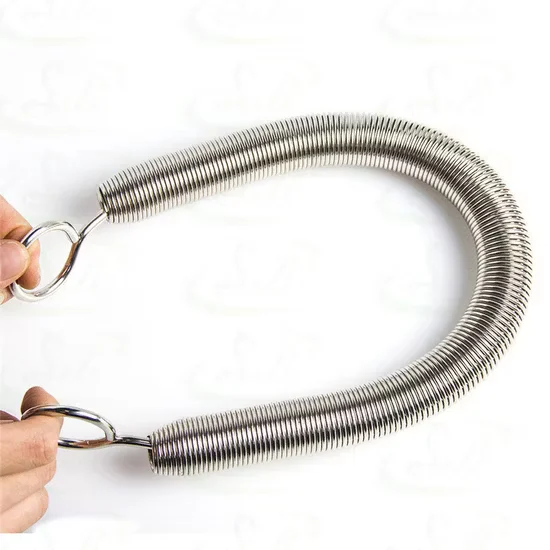
Portable Pilates Reformer Springs SRY Replacement for Studio

Customized Wood Pilates Reformer with Tower Half Trapeze Bed

Professional Solid Wood Ladder Barrel Trainer for Pilates Studio
