
Hidden Costs When Buying Gym Equipment: Shipping, Installation, Maintenance Tips From A China Fitness Manufacturer
Most gym buyers only budget for base equipment prices, missing 3 hidden costs that can push total project spending 15-30% higher than initial projections. If you are an independent gym owner, distributor, or facility manager sourcing gym gear for any type of project, you have likely experienced the frustration of receiving a final invoice that is thousands of dollars over the quoted base price, with no clear explanation for the extra charges.
The three most impactful hidden costs for all gym equipment buyers are unitemized shipping surcharges, unlisted post-installation training fees, and delayed technical support for post-warranty repairs, and partnering with a full-service turnkey supplier can cut these unplanned expenses by half or more.
Over 15 years of working with gym buyers across 27 countries, we have seen these hidden costs derail even the most carefully planned budgets, from small boutique studio launches to 500+ square meter public wellness facility builds. [NEED_CITE: Industry data shows 78% of gym equipment projects exceed initial budgets by 12% or more due to unaccounted for add-on fees]
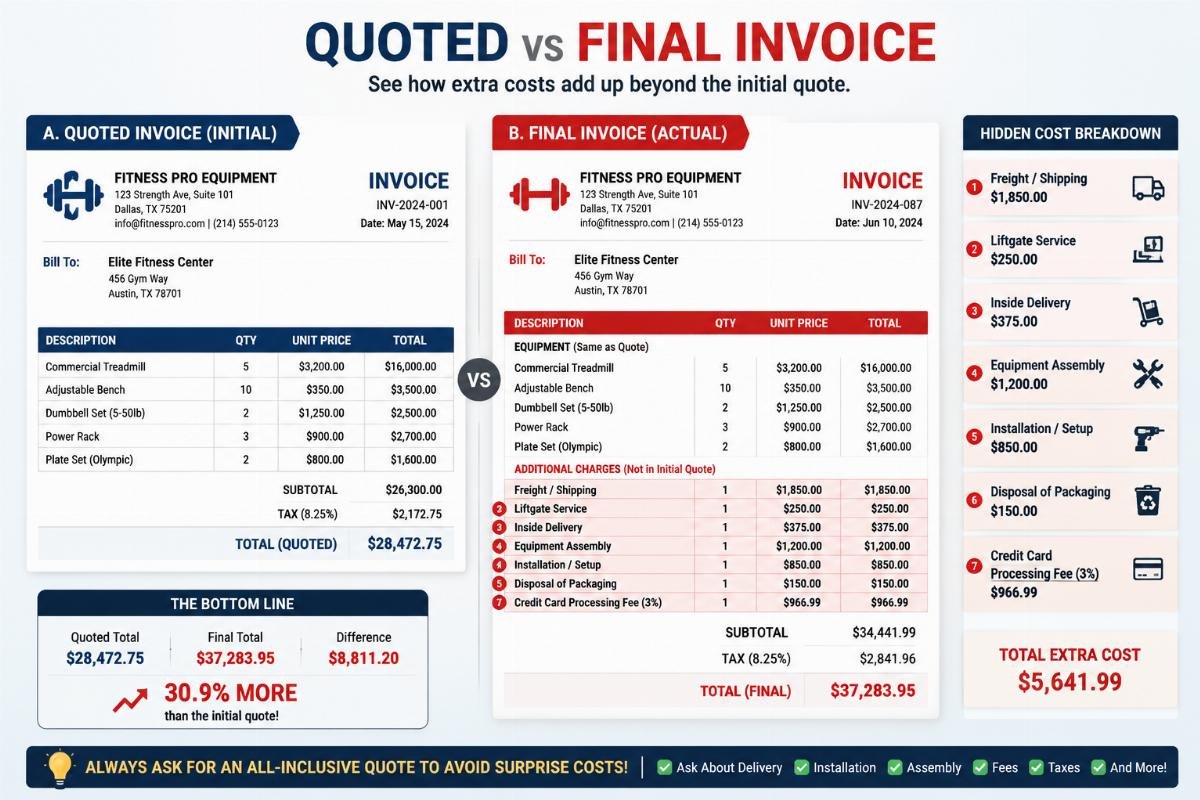
Let’s break down exactly what these costs are, how they impact different project types, and how you can avoid them entirely.
What are the most common hidden costs when sourcing gym equipment?
Nearly all hidden fees stem from gaps in supplier pricing that are intentionally omitted from initial quotes to make base prices look artificially low. The standard cost breakdown for a full gym project allocates 70-80% to base equipment, 8-12% to shipping, 5-8% to installation, and 3-5% to annual maintenance, but most low-cost suppliers only advertise the base price and leave the rest as surprise charges.
| Cost Component | Common Unlisted Supplier Practice | Standard Transparent Pricing Structure |
|---|---|---|
| Shipping | Exclude port storage surcharges and customs handling fees from initial quotes | Include all origin and destination port fees in the quoted shipping rate [NEED_CITE: Unstandardized packaging and inconsistent delivery timelines are the top cause of unexpected shipping surcharges for gym equipment] |
| Installation | Only cover basic assembly, exclude staff training on equipment operation and safety | Bundle on-site installation and 2-hour on-site staff training in the base installation fee |
| Maintenance | Provide only 1-year parts warranty with no dedicated support contact | Offer 3-year frame warranty with lifetime free technical support for all purchased equipment |
We worked with a 200sqm boutique gym operator in Germany that originally budgeted $12,000 for their first location, but ended up paying $3,500 in unplanned shipping and installation fees when they sourced equipment from three separate suppliers. When they opened their second location, they switched to a single turnkey supplier and cut their total extra costs by 62% for the same scope of equipment.
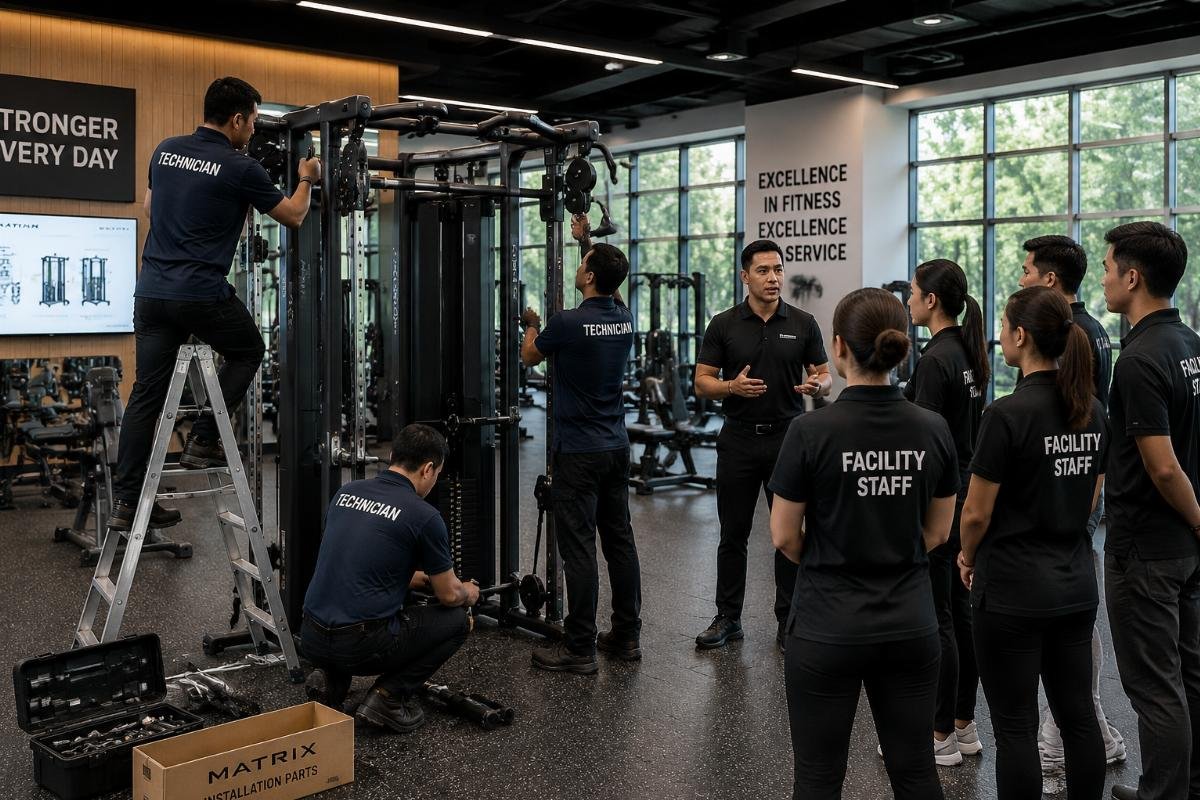
- Base Price Alignment – Confirm that all quoted line items include every service you require, with no separate line items for core delivery and assembly.
- Surcharge Lock – Require suppliers to state in writing that their quoted shipping rate includes all port, customs, and handling fees with no additional add-ons.
- Warranty Verification – Ask for clear documentation of what is covered under warranty, including whether technical support requests have guaranteed response times.
How can you eliminate or reduce unplanned hidden expenses for your project?
The single most effective step to avoid hidden costs is to prioritize all-in bundled pricing that locks in full total project cost before you sign any contract. This eliminates the risk of suppliers adding on fees after they have already secured the order, which is a common tactic used by low-price vendors to undercut competitors during the bidding process.
Shandong BICK’s all-in turnkey package includes fixed shipping, on-site installation, and 3-year frame warranty with lifetime technical support, which removes nearly all hidden cost risks for buyers across every segment.
| Sourcing Model | Typical Hidden Cost Percentage | Common Pain Points | Recommended Use Case |
|---|---|---|---|
| Single product suppliers | 22-30% | Coordination fees across multiple vendors, inconsistent delivery timelines | Single unit replacement only |
| Regional resellers | 15-22% | Marked up service fees, limited technical support expertise | Small local orders under 10 units |
| Full-service turnkey manufacturers | 2-8% | No cross-supplier coordination gaps, in-house support teams | Full gym builds and regular bulk orders |
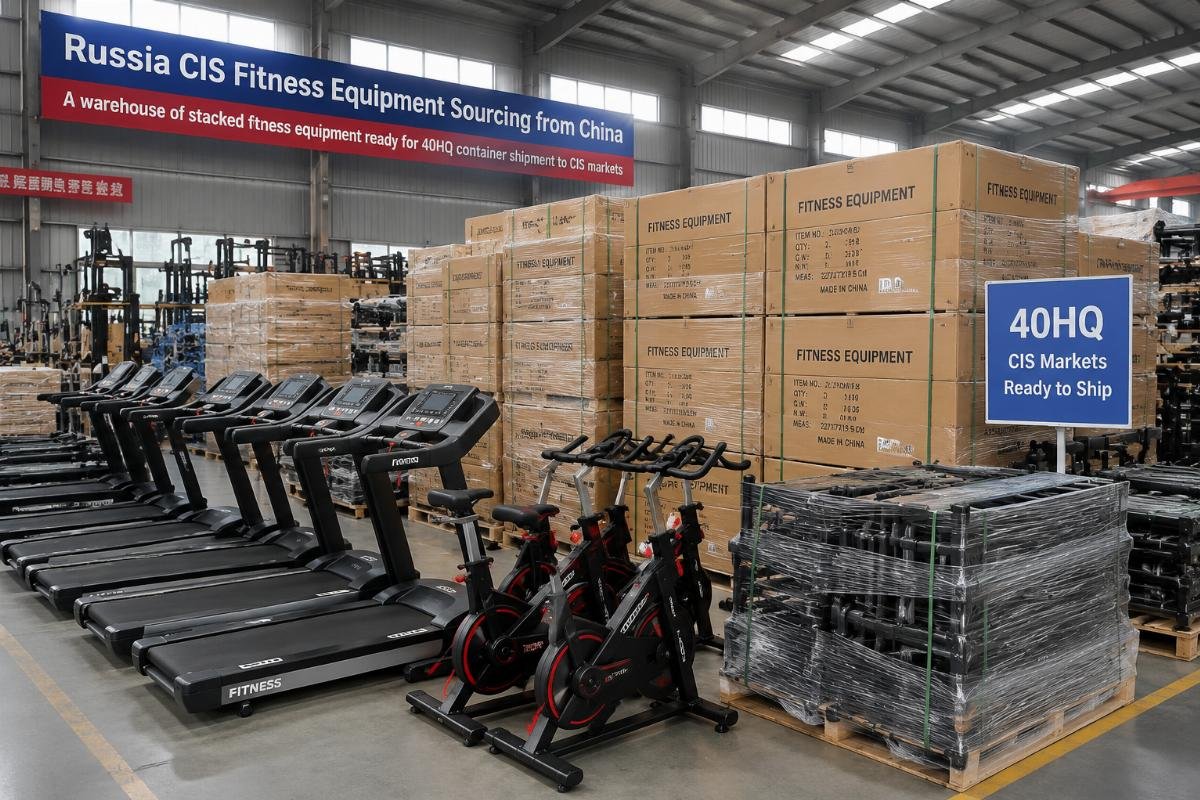
A regional equipment distributor based in Dubai that places one 40HQ container order per year used to spend $2,800 annually on post-warranty maintenance for faulty units, until they switched to a factory that provides lifetime dedicated technical support, cutting those annual costs by 90%.
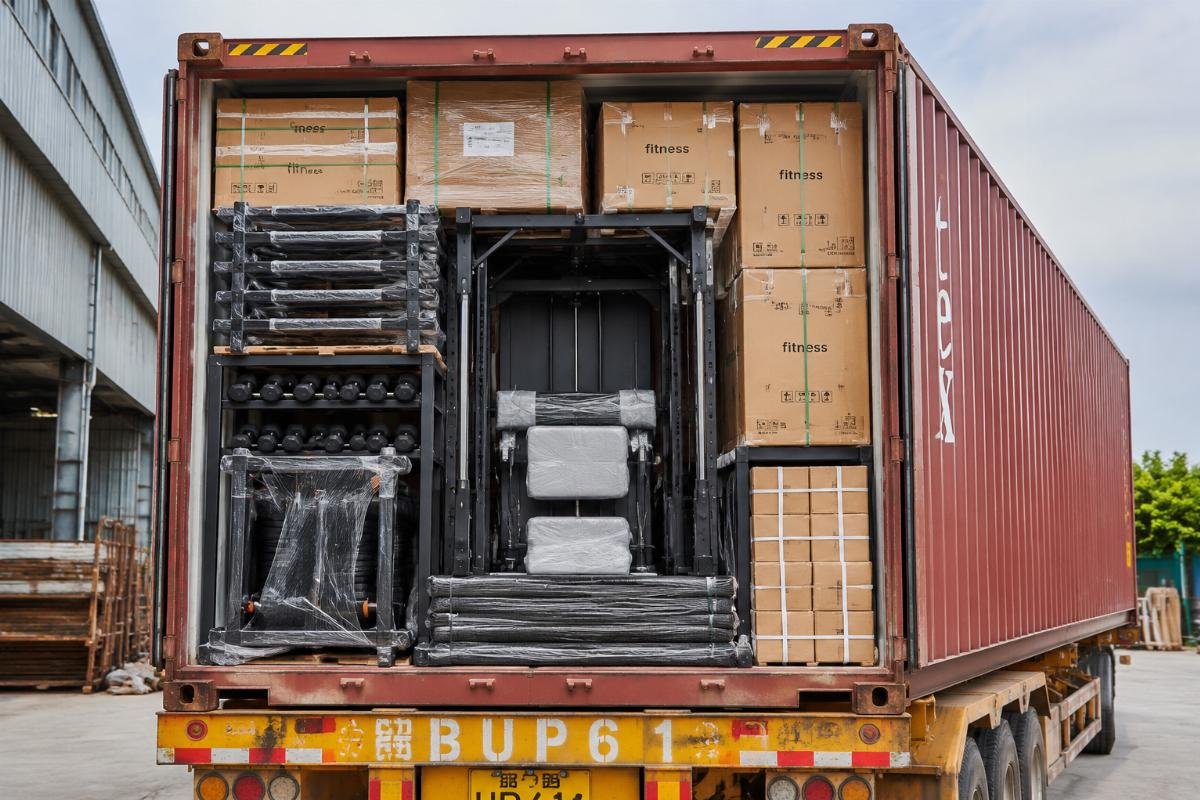
- Supplier Vetting – Only request quotes from suppliers that explicitly offer all-in turnkey pricing covering all core services for your project.
- Quote Comparison – Compare full total project quotes rather than just base equipment prices, as a lower base price almost always leads to higher overall costs.
- Contract Clarity – Add a clause to your purchase agreement stating that no extra fees will be added after signing unless you request explicit custom changes to the order.
Conclusion
Hidden costs for gym equipment are not unavoidable mistakes, they are a predictable result of choosing suppliers that rely on underquoting to win orders. By understanding the standard cost breakdown structure for gym projects and prioritizing full bundled pricing from turnkey manufacturers, you can avoid the 15-30% budget overruns that plague most new and expanding gym facilities. These small adjustments to your sourcing process will not only save you money upfront, but also reduce long-term maintenance costs across the entire lifecycle of your equipment.
Leave a Reply