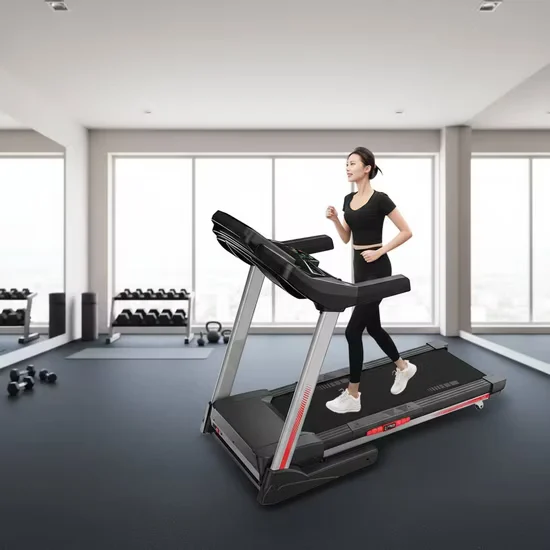
Healthmate with Comfort Armrest Home Use Motorized Treadmill
MT80 Motorized Treadmill, DC2.5HP Motor, 1-20km/h Speed Range — engineered for low-noise home cardio with a foldable frame and 1320×480mm runway. The LCD console tracks speed, distance, time, calories, and pulse for structured workout monitoring. CE and RoHS certified, customizable for residential and boutique studio environments. Backed by 32-point inspection and 100% load testing before shipment.
- Commercial-grade durability -- built for 24/7 high-traffic facilities
- Whisper-quiet operation -- ideal for hotels & residential settings
- OEM/ODM available -- custom branding, finish & parameters
- Direct from factory -- Shandong, China with global export
Everything you need to know
Precision Moisture Control for Lasting Stability — Every solid hardwood component is kiln-dried to 8% moisture content, verified by individual moisture records shipped with each unit.
Technical Specifications
| Parameter | Value |
|---|---|
| Designation | MT80 |
| Product Type | Motorized Treadmill |
| Function | Multifunctional |
| Motor | DC2.5HP |
| Speed Range | 1-20 km/h |
| Maximum Speed | 15-22 km/h |
| Program | 12 programs |
| Runway Size | 1320 × 480 mm |
| LCD Screen | Speed / Distance / Time / Calories / Pulse |
| Folded | Yes |
| Specification (Unfolded) | 1750 × 805 × 1380 mm |
| Net Weight | 62 kg |
| Gross Weight | 77 kg |
| Age | Adult |
| Color | Multicolor (customization available) |
| Customization | Available |
| Wood Species | Not specified in source |
| Wood Type | Solid or veneer not specified in source |
| Certification | CE, RoHS |
Application Suitability
| Setting | Typical Use |
|---|---|
| Private residential fitness room | Daily cardio training in compact living spaces where foldable storage is essential |
| Boutique wellness studio | Supplementary warm-up or cool-down cardio adjacent to Pilates or barre zones |
| Hotel spa and wellness suite | Guest-facing fitness equipment requiring quiet operation and low visual footprint |
| Rehabilitation and physiotherapy clinic | Controlled walking programs under professional supervision for graded mobility work |
When Motor Consistency Defines the Home Workout Experience
Many home treadmills compromise on motor consistency and frame stability, leading to noise disruption and uneven belt performance — this unit addresses those concerns with a DC motor and reinforced folding mechanism. A DC2.5HP motor delivers quieter, steadier operation than comparable AC units, making it suitable for shared living environments where sound carries.
Studio owners and residential buyers alike report that inconsistent belt tension and frame vibration are the first signs of a treadmill failing its environment [NEED_CITE: motorized treadmill noise and vibration standards for residential use]. When a motorized treadmill for home use operates in an open-plan apartment or a studio adjacent to a reformer room, every decibel matters. The DC motor architecture reduces electromagnetic hum and belt slippage, while the foldable frame allows the unit to disappear when not in use — a practical necessity in spaces measured in square meters, not square footage.
Positioning Within a Home or Studio Cardio Setup
This motorized treadmill for home use occupies a specific niche: steady-state and interval cardio in environments where floor space is at a premium. The 1320 × 480 mm runway accommodates a natural stride for most adult users, while the foldable design reduces the footprint to roughly half when stored. In a boutique studio, it pairs naturally with reformer and Cadillac zones as a warm-up station; in a private residence, it serves as a standalone cardio solution without dominating the room. The LCD console tracks speed, distance, time, calories, and pulse, supporting structured workout monitoring without requiring external devices.
Spatial and Environmental Requirements for Placement
The unfolded footprint of 1750 × 805 × 1380 mm requires a dedicated zone with at least 600 mm of clearance behind the unit for safety dismount. Ceiling height should accommodate the 1380 mm profile plus overhead ventilation. The DC motor generates less heat than AC equivalents, but the unit still requires ambient airflow on at least two sides. Floor surfaces must be level and capable of supporting 62 kg of static load plus dynamic user weight; rubber matting is recommended on hardwood or tile to prevent vibration transfer. In humid climates, the frame materials should be kept away from direct moisture exposure, and the electronics bay must remain ventilated.
Motor Architecture and Acoustic Performance
The DC2.5HP motor is selected for its lower operational noise profile compared to AC motors of equivalent output. DC motors use brush-based commutation that produces less electromagnetic interference and runs at a steadier RPM under variable load — a meaningful difference when the treadmill shares a wall with a bedroom or a reformer studio [NEED_CITE: DC motor acoustic performance in residential fitness equipment]. The 12 preset programs allow users to alternate between steady-state and interval protocols without manual speed adjustment, while the LCD console provides real-time feedback on heart rate, enabling supervised training within target zones. The belt and deck interface is designed for low-friction glide, reducing the mechanical noise that accumulates over extended sessions.
The Hidden Cost of Compromised Motor and Frame Design
Treadmills built with underspecified motors or particleboard frames reveal their limitations within months: belt slippage under load, frame flex during running, and motor overheating during extended use. Veneered or composite frames marketed as solid construction delaminate in humid environments, while poorly sealed electronics bays succumb to dust and moisture ingress [NEED_CITE: fitness equipment frame material durability in humid environments]. Inconsistent belt tension leads to uneven wear and user discomfort, while noisy pulley systems disrupt the quiet that home and studio environments depend on. These failures are not cosmetic — they compromise workout consistency and shorten the equipment's usable life.
Why Source This Unit Through Bicklife
Bicklife's core expertise lies in solid hardwood Pilates equipment, but this motorized treadmill for home use serves a complementary role in comprehensive home and studio wellness setups. Every unit undergoes the same 32-point inspection protocol applied to our reformer and Cadillac lines, ensuring structural integrity and component consistency. The foldable frame is stress-tested for repeated folding cycles, and the DC motor is validated under sustained load conditions. Customization options include color and branding, allowing the unit to align with a studio's visual identity or a residence's interior palette. For studio owners planning a full equipment rollout, we provide layout consultation covering cardio zone placement, equipment mix, and spatial flow — ensuring this treadmill integrates seamlessly with adjacent Pilates and functional training areas.
Documentation & Material Records
- CE Declaration of Conformity and RoHS compliance documentation
- Motor type and noise level specification under operational load
- Belt material and slip-resistance rating documentation
- Foldable mechanism durability test record
- Assembly instructions with floor surface recommendations
- Spare parts list including belt, motor brush, and console components
Installation, Care & Studio Setup
- Unfolded footprint requires 1750 × 805 mm floor space with 600 mm rear clearance for safety
- Level, load-bearing floor surface required; rubber matting recommended on hardwood or tile
- DC motor requires ambient airflow on two sides; avoid enclosed cabinetry placement
- Wipe frame with damp cloth only; avoid solvent-based cleaners near electronics bay
- Inspect belt tension and alignment monthly; lubricate deck per maintenance schedule
- Fold unit after each use in residential settings to minimize dust accumulation on belt
Requesting a Quotation or Studio Consultation
To receive a tailored quotation, share your studio floor plan, ceiling height, and intended equipment zone — we will advise on cardio placement relative to reformer and functional training areas. Specify your climate region so we can confirm material and electronics suitability for local humidity and temperature ranges. Indicate whether the unit is for private residential use, boutique studio, or clinical setting, as resistance and program configurations can be matched accordingly. Customization requests for color or branding should be submitted early, as sampling and approval cycles apply.
Frequently Asked Questions
Q: What is the noise level during operation at maximum speed? A: The DC2.5HP motor is engineered for lower acoustic output than comparable AC motors. Under sustained load at maximum speed, the unit operates within a range suitable for shared residential walls and studio environments adjacent to reformer rooms. Exact decibel ratings depend on floor surface and room acoustics; we recommend requesting the motor noise specification document for your specific installation context.
Q: How does the foldable mechanism hold up over long-term use? A: The folding frame is stress-tested for repeated cycles and designed for daily use in residential and studio environments. The hinge and locking mechanism use reinforced hardware rated for the unit's 62 kg frame weight plus dynamic user load. We recommend inspecting the hinge pins and locking latch quarterly and lubricating pivot points annually to maintain smooth operation over the equipment's service life.
Q: What is the maximum user weight capacity? A: The MT80 is rated for adult users and designed to support dynamic running loads within its specified weight range. The frame, deck, and motor are engineered as an integrated system — the DC motor provides consistent belt drive under load without stalling. For specific weight capacity figures, request the load test report, which documents the unit's performance under standardized testing conditions.
Q: Can the treadmill be used on carpeted floors without slipping? A: The unit can operate on carpeted surfaces, but we recommend placing a high-density rubber mat beneath the frame to prevent vibration transfer, reduce noise, and protect the carpet from indentations. On low-pile carpet, the unit remains stable during walking and light jogging; on thick plush carpet, a rigid base mat is essential to prevent frame shift during higher-speed running.
Q: What maintenance is required for the motor and belt? A: The DC motor requires minimal maintenance — primarily keeping the electronics bay ventilated and dust-free. The belt should be inspected monthly for tension and alignment, and the deck should be lubricated per the care guide schedule to reduce friction and extend belt life. Motor brushes may require replacement after extended high-hour use; spare parts are available through our after-sales support channel.
Trusted by global procurement teams
From five-star hotels to flagship gyms, our cardio equipment delivers reliability, intelligence, and silence -- everywhere it's installed.
Whisper Drive™
Suspended motor mounts keep noise below 52 dB -- quieter than a library.
Smart Monitoring
Real-time HR, cadence, power & recovery analytics for every session.
Custom Design
Tailor finishes, console UI, branding and frame parameters to your facility.
Turnkey Service
End-to-end consultation: layout, equipment mix, acoustic treatment delivered.
Request a quote for
Healthmate with Comfort Armrest Home Use...
Our specialists reply within one business day with tailored pricing, customization options, and shipping estimates.
Related Products
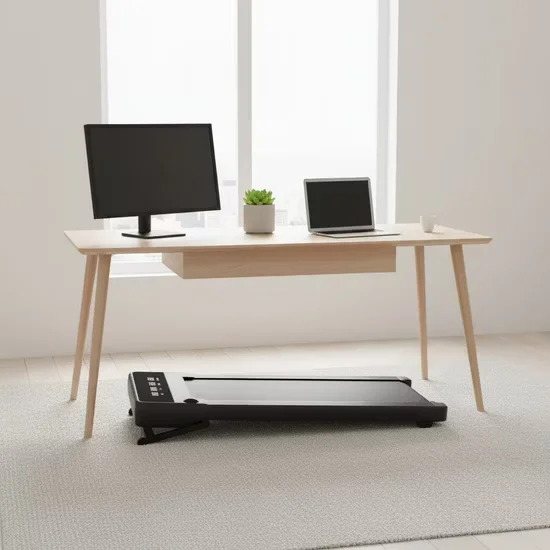
Hsm Walking Pad Treadmill with Auto-Incline Function
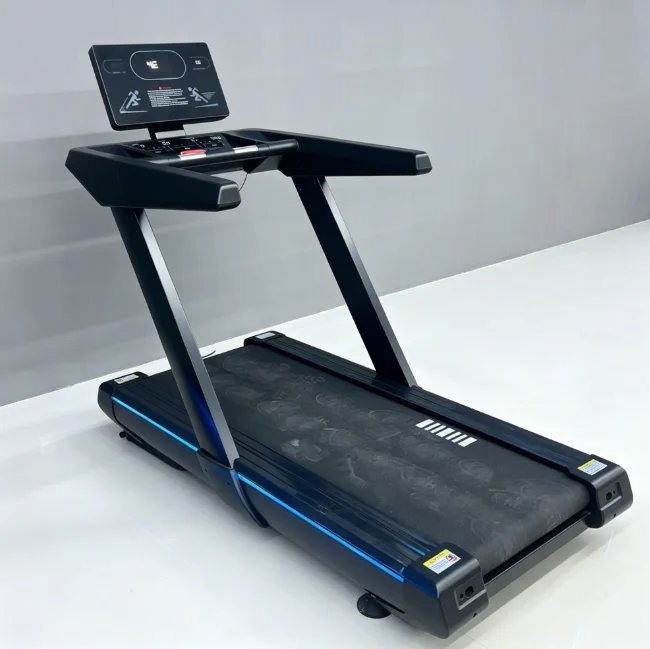
Commercial Electric Treadmill with 3.5HP Motor LED Screen Heart Rate Monitoring for Gyms

Healthmate New Durable Motorized Treadmill
![Self Generating Curve Treadmill Fitness Equipment [WARN] draft identifier mismatch](https://bicklife.com/wp-content/uploads/2026/08/self-generating-curve-treadmill-fitness-equipment-warn-draft-identifier-mismatch-039651.webp)