Demanda de Equipos de Gimnasio en Asia Central: Mercado de Fitness en Kazajistán y Uzbekistán
La mayoría de los equipos de gimnasio de alta calidad certificados por TüV no necesitan provenir de fabricantes europeos para cumplir con los estándares de cumplimiento regionales. Para los propietarios de gimnasios y distribuidores en Kazajistán y Uzbekistán, el sector de fitness local de rápido crecimiento ha creado una demanda sin precedentes de soluciones de instalación confiables y rentables, pero las percepciones erróneas generalizadas sobre las opciones de abastecimiento a menudo conducen a gastos excesivos y retrasos en los plazos de los proyectos. La forma más eficiente de obtener equipos de gimnasio que cumplan con las normativas y se ajusten al presupuesto para los mercados de Asia Central es asociarse con fabricantes chinos que tengan más de 15 años de experiencia en exportación regional, que ofrecen estándares de certificación idénticos a precios de 40-60% más bajos que las marcas occidentales comparables. Habiendo apoyado docenas de proyectos de gimnasios en Almaty, Tashkent y Nur-Sultan durante la última década, hemos visto de primera mano cómo los operadores pequeños y medianos consistentemente sobrepasan sus presupuestos al recurrir a proveedores europeos, mientras pasan por alto términos de pedido flexibles y soporte llave en mano que reducen directamente los costos totales de instalación. [NEED_CITE: Los volúmenes de importación de equipos de fitness en la región de Kazajistán y Uzbekistán registraron un aumento del 28% interanual en 2026]
Esta guía desglosa las trampas comunes de abastecimiento, los requisitos regionales básicos y los marcos probados para construir un gimnasio completamente funcional sin exceder su presupuesto.
¿Por qué está aumentando la demanda de equipos de fitness en Kazajistán y Uzbekistán en 2026?
El aumento de los ingresos disponibles y la rápida expansión de estudios boutique y programas de bienestar corporativo son los principales impulsores de este crecimiento. En Kazajistán, los consumidores están priorizando cada vez más la salud y el estado físico a medida que aumenta el gasto discrecional, mientras que el marco regulatorio relajado de Uzbekistán para pequeñas empresas ha llevado a un aumento del 32% en las inscripciones de nuevos estudios de fitness solo en los últimos 12 meses. Esto ha creado una brecha entre la demanda insatisfecha de equipos accesibles y las opciones limitadas ofrecidas por proveedores locales y europeos sobrevalorados. Factor de Sourcing
Error Común
Enfoque Optimizado
Flexibilidad de Pedido
Suponiendo que se requieren pedidos de contenedores completos de 40HQ para soporte llave en mano
Acceda a soluciones llave en mano que van desde piezas de repuesto de una sola unidad hasta cargas completas de contenedores
Certificación
Creyendo que solo los proveedores locales pueden garantizar el cumplimiento de los estándares de importación
Asóciese con proveedores que tengan certificaciones CE y TüV preaprobadas para los mercados de Asia Central
Tiempo de entrega
Esperando más de 8 semanas para envíos de marcas europeas
Acceda al inventario estándar de SKU con plazos de entrega promedio de 35 días [NEED_CITE: Tiempos de entrega promedio para fuerza central y cardio Recientemente apoyamos a un gimnasio comercial de tamaño mediano de 200 metros cuadrados en Almaty que inicialmente planeaba adquirir equipos de una marca alemana, solo para cambiar a un proveedor chino después de darse cuenta de que podían obtener un paquete completo con diseño de distribución 3D complementario por un costo total un 45% más bajo, con entrega completada en solo 35 días.
Investigación de Mercado Primero – Mapea tu base de usuarios principal para priorizar las 6 categorías de equipos con mayor demanda: fuerza seleccionada, fuerza cargada con placas, pesas libres, cardio, entrenamiento funcional y unidades enfocadas en el bienestar. Verificación de Certificación – Confirme que todos los proveedores posean documentación válida de CE y TüV para evitar retrasos en la aduana en los puntos de control fronterizos regionales. Prueba de Pedido Piloto – Utilice cantidades mínimas de pedido flexibles para probar de 10 a 15 unidades antes de comprometerse con un pedido completo para la instalación. ¿Qué errores comunes cometen los compradores locales al adquirir equipos de gimnasio?
La dependencia excesiva de la reputación de marcas europeas sin comparar el costo total de propiedad es el error más costoso para los nuevos propietarios de gimnasios. Muchos compradores solo calculan el precio unitario inicial y no tienen en cuenta la cobertura de garantía, los costos de mantenimiento a largo plazo y las tarifas logísticas ocultas que añaden un 30% o más a la factura final. Una percepción errónea común es que el soporte completo llave en mano solo está disponible para grandes clientes empresariales, dejando a los propietarios de pequeños estudios manejar el diseño y la instalación por su cuenta. Componente de Costo
Elección de abastecimiento subóptima
Alternativa Económica
Precio Unitario por Adelantado
Pagando un 50-60% de prima por el etiquetado de marcas europeas
Obtenga unidades directamente de fábrica con estándares de certificación idénticos
Cobertura de Garantía
Aceptando cobertura de marco de 1 año de revendedores locales
Seleccione proveedores que ofrezcan garantías de marco de 3 años y soporte técnico de por vida
Cargos Ocultos
Cubriendo cargos adicionales por diseño de layout y soporte de instalación
Elija paquetes llave en mano que incluyan estos servicios sin costo adicional
Un distribuidor regional con sede en Tashkent inicialmente planeó realizar un pedido completo de 120 unidades de cardio directamente con un proveedor local, antes de cambiar a un exportador chino que permitió un pedido de prueba de 15 unidades con logotipo personalizado y tapicería que coincide con las preferencias de los consumidores locales, reduciendo su desembolso total inicial en un 42% sin comprometer la calidad. [NEED_CITE: Comparación del costo total de propiedad para equipos de gimnasio de proveedores chinos vs europeos durante períodos de uso de 5 años]
Auditoría de Costos Totales – Calcule todas las tarifas, incluidos el envío, los aranceles, la instalación y el soporte antes de comparar los precios unitarios entre proveedores. Verificación de Percepciones Erróneas – Verifique las afirmaciones sobre los requisitos de pedido mínimo y los plazos de entrega con referencias de clientes existentes en la región. Confirmación de Personalización – Confirme que los proveedores pueden ajustar la tapicería, la marca y las especificaciones del equipo para adaptarse a las preferencias locales de los usuarios. ¿Cómo pueden los proveedores chinos de equipos de fitness satisfacer las necesidades del mercado regional?
Los fabricantes con más de 15 años de experiencia en exportación y más de 30,000 metros cuadrados de instalaciones de producción están posicionados de manera única para alinearse con los requisitos de los compradores de Asia Central. Estos proveedores mantienen líneas de producción estables para los productos clave Función de Soporte
Limitación de Proveedores de Baja Calidad
Capacidad de Exportador Calificado
Capacidad de Producción
Operaciones de pequeños talleres que conducen a escasez de stock
30,000+ metros cuadrados de instalaciones de producción dedicadas para líneas de productos principales
Alcance del pedido
Solo aceptando pedidos grandes al por mayor
Apoyando pedidos de reemplazo de unidades individuales hasta paquetes completos de contenedores de 40HQ
Soporte de Cumplimiento
No hay documentación de importación pre-preparada
Proporcionando toda la documentación de certificación requerida para cumplir con las normas de importación de Kazajistán y Uzbekistán
Recientemente entregamos un paquete completo de 50 unidades para un centro de bienestar corporativo a una empresa de Kazajistán, con todas las unidades de fuerza y cardio pre-certificadas para cumplir con los estándares de contratación pública locales, y respaldadas por una garantía de marco de 3 años que satisfizo el requisito de uso de 7 años del cliente.
Evaluación de Proveedores – Priorizar a los fabricantes con referencias de clientes verificables en Kazajistán y Uzbekistán. Solicitud de Llave en Mano – Pida un borrador de diseño 3D gratuito para evaluar sus capacidades de soporte de planificación antes de realizar un depósito. Alineación de Garantía – Confirme que todos los términos de la garantía estén documentados por escrito para coincidir con el cronograma operativo de su proyecto. Conclusión
La adquisición de equipos de gimnasio para los mercados de Asia Central no requiere elegir entre alta calidad y bajo costo. La suposición de larga data de que el equipo premium debe provenir de marcas europeas ya no es precisa, ya que los exportadores chinos experimentados ahora ofrecen estándares de certificación idénticos y durabilidad del producto a una fracción del precio. Para los propietarios de gimnasios independientes y los distribuidores regionales, priorizar términos de pedido flexibles, documentación de cumplimiento preaprobada y soporte integral eliminará los dolores de cabeza comunes en la adquisición, mientras se mantienen los proyectos alineados con restricciones presupuestarias ajustadas.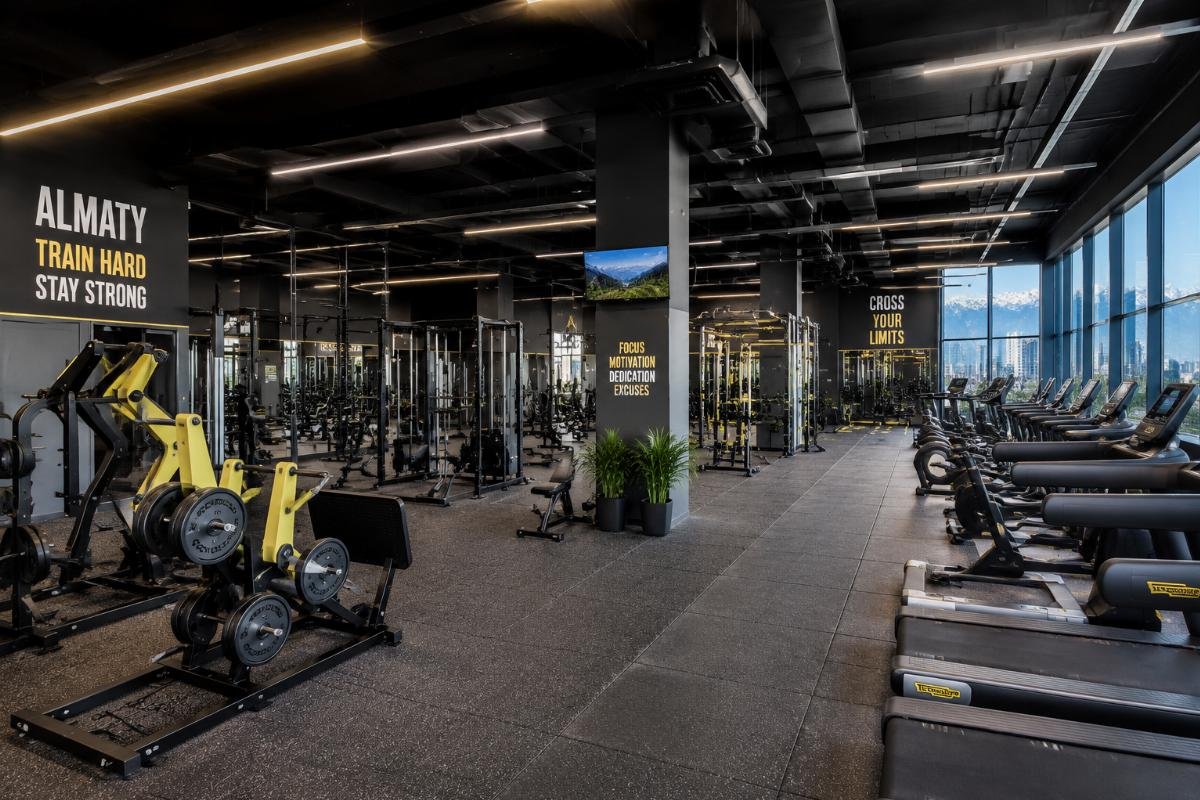
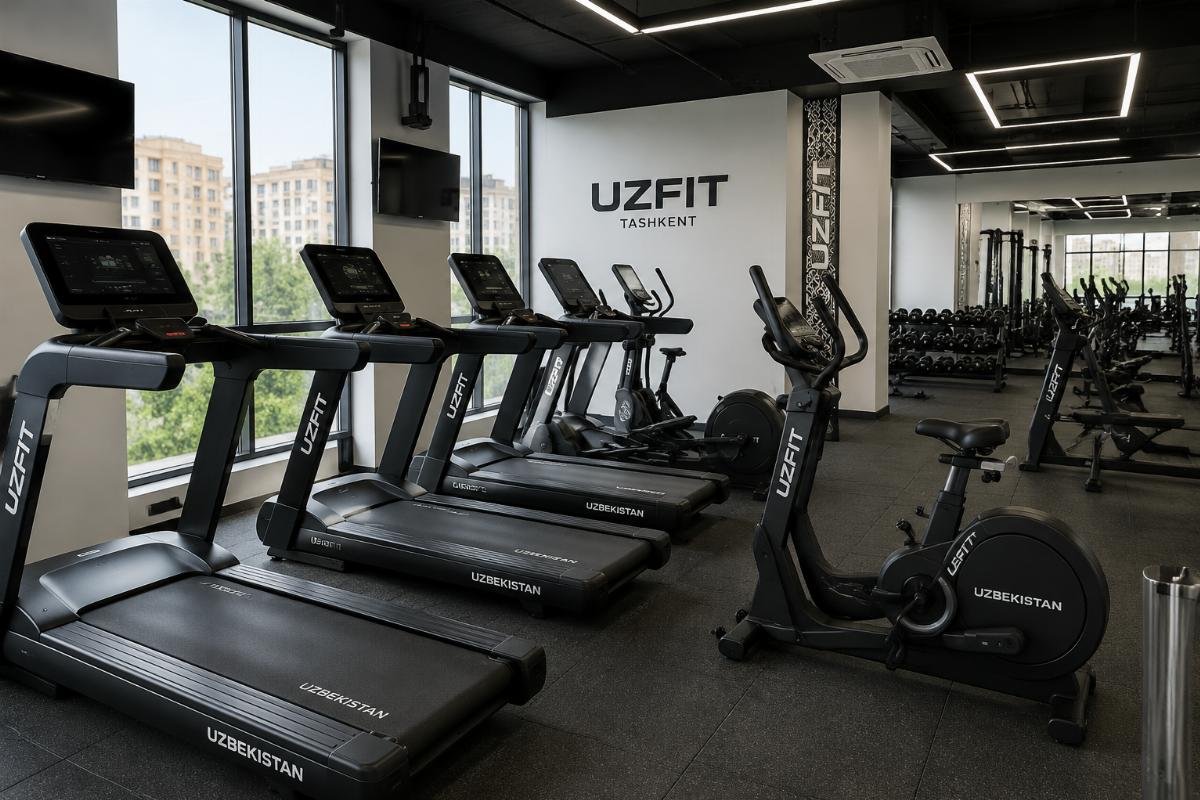
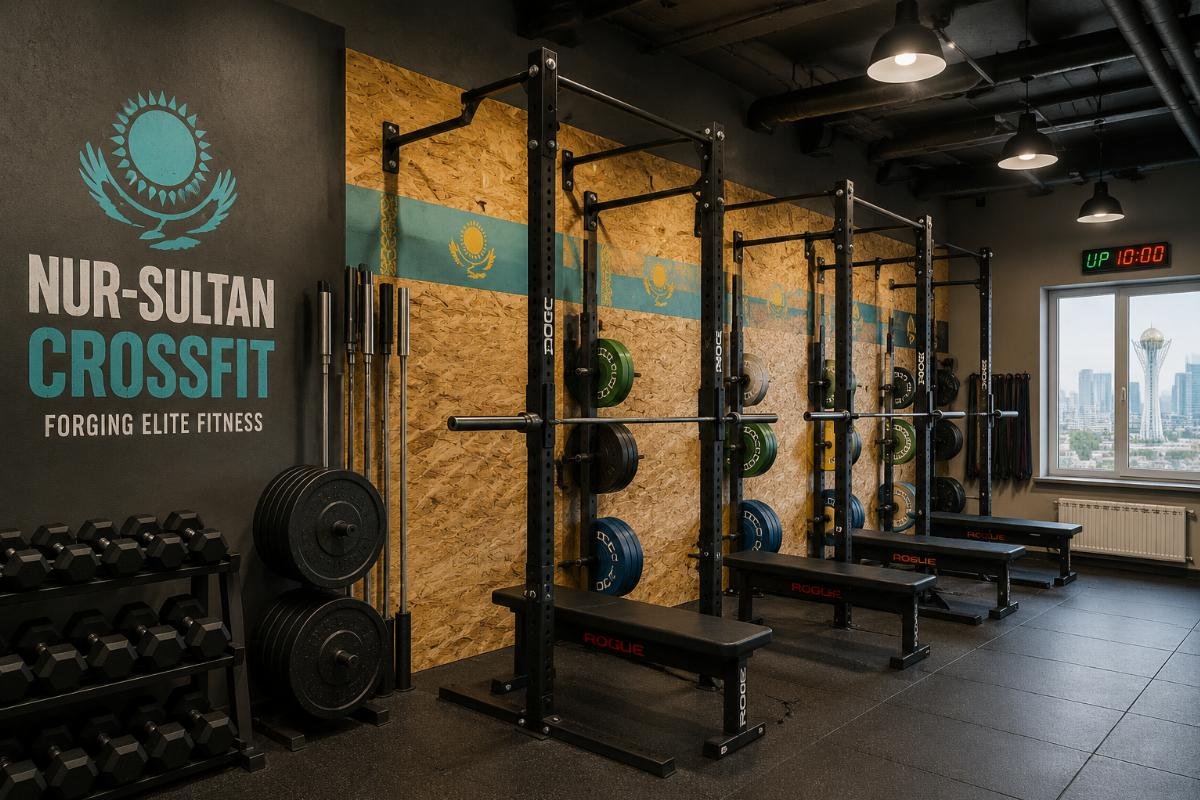
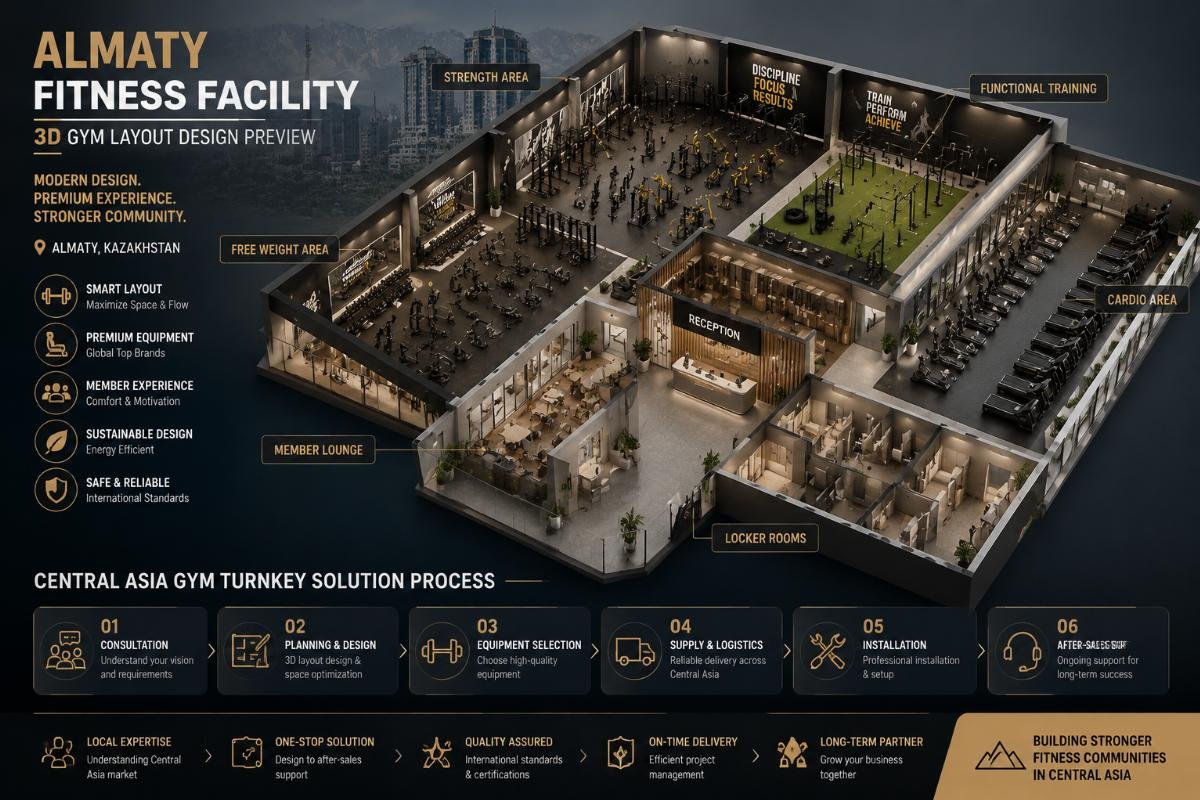
para evitar retrasos en la entrega, y ofrecen soporte integral que elimina el trabajo de coordinación requerido al abastecerse de múltiples proveedores separados. Shandong BICK Fitness, por ejemplo, proporciona soluciones llave en mano completas que cubren el diseño de la distribución, la entrega, la instalación y la capacitación del personal, lo que reduce el tiempo total de configuración en un 40% en comparación con el autoabastecimiento.

About the author
author
Editor covering global sourcing, supplier verification, and industrial product knowledge. Content is compiled from manufacturer specifications, industry standards, and hands-on experience with international B2B buyers. Every article is fact-checked before publishing to help procurement professionals make informed decisions.
Leave a Reply