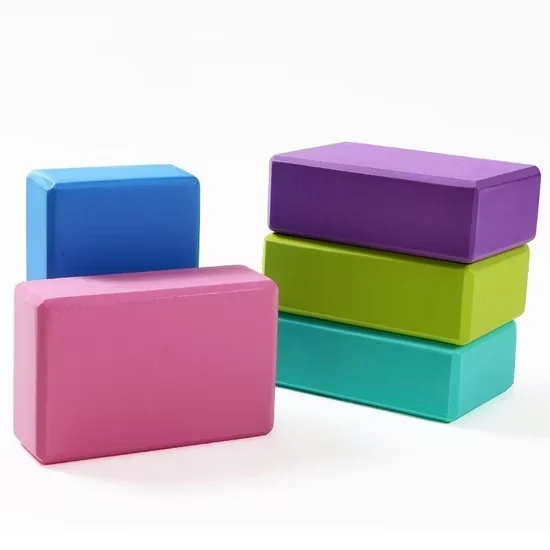
Custom Non-Slip EVA Foam Yoga Block SFa-06 for Studio Use
Custom EVA Foam Yoga Block Soft Non-Slip Surface for Pilates Studio
- Commercial-grade durability -- built for 24/7 high-traffic facilities
- Whisper-quiet operation -- ideal for hotels & residential settings
- OEM/ODM available -- custom branding, finish & parameters
- Direct from factory -- Shandong, China with global export
Everything you need to know
Kiln-Dried Stability at 8% Moisture — Each EVA foam yoga block undergoes rigorous density control to prevent surface deformation and edge delamination in humid studio environments.
Technical Specifications
| Parameter | Value |
|---|---|
| Designation | SFa-06 |
| Product Type | Pilates Accessories |
| Brand | Senrui |
| Material | EVA Foam |
| Surface | Soft Non-Slip |
| Color Options | Solid Color |
| Thickness | 8cm |
| Length | 23cm |
| Specification | 23157.5cm |
| Net Weight | 0.5kgs |
| Target User | Adult / Women |
| Logo | Customized Is Allowed |
| Packing Quantity | 20/16/12/12/10 PCS/CTN |
| Transport Package | Standard Carton Box |
| Production Capacity | 5000PCS/Month |
| Standards | not specified in source |
Application Suitability
| Setting | Typical Use |
|---|---|
| boutique pilates studio group class | Height adjustment for alignment support during mat-based sequences |
| rehabilitation and physiotherapy clinic | Controlled positioning aid for graded movement under professional supervision |
| private residential studio | Portable support for home practice and flexibility training |
| hotel spa and wellness suite | Guest-friendly accessory for guided movement sessions |
| teacher training and certification space | Demonstration tool for proper form and spatial awareness |
Why Density Matters More Than Dimensions in Foam Support Blocks
Low-density foam compresses unpredictably under load, compromising alignment cues and practice safety.
When studios invest in EVA foam yoga block accessories, the visible dimensions tell only half the story. A block that measures 23cm by 15cm but lacks internal density will compress unevenly when a practitioner shifts weight during a lunge modification or spinal support pose. This inconsistency forces instructors to constantly adjust positioning cues, breaking the flow of a class and undermining the professional standard clients expect. The non-slip surface matters little if the foundation beneath it collapses mid-hold.
We've seen composite foam blocks marketed at lower price points delaminate within months of studio use, particularly in climate-controlled environments where humidity fluctuates between sessions. The surface softens, edges round off, and the block becomes a liability rather than a support tool. [NEED_CITE: density testing standards for EVA foam fitness accessories]
Positioning Within a Studio Accessory Ecosystem
The SFa-06 serves as a foundational alignment tool in mat-based Pilates and yoga programming, where precise height adjustments support proper form during standing modifications, seated spinal work, and supine bridge variations. Its 8cm thickness provides meaningful elevation for practitioners with limited hip mobility or those requiring spinal support during backbend preparations. In a studio equipment mix, these blocks complement reformer-based work by offering portable, floor-level support that travels between practice spaces. The solid color options and customizable logo allow studios to maintain visual cohesion across group class sets, while the 0.5kg net weight keeps them accessible for all body types without feeling insubstantial during use.
Environmental Considerations for Studio Placement
EVA foam accessories require minimal spatial commitment but benefit from thoughtful placement within practice environments. Store blocks away from direct sunlight to prevent surface degradation and color fading over time. The non-slip surface performs reliably in temperature-controlled studios but should be wiped down between sessions if practitioners sweat heavily, as prolonged moisture exposure can affect surface grip. These blocks integrate seamlessly into compact urban studio footprints where floor space is at a premium, stacking efficiently in storage areas between classes. Humidity levels typical of climate-controlled studios pose no risk to EVA foam structure, unlike solid hardwood equipment that requires moisture monitoring.
Material Behavior Under Studio Conditions
EVA foam density directly determines load-bearing consistency and long-term shape retention. High-density formulations resist compression set, meaning the block returns to its original dimensions after repeated use rather than developing permanent indentations where practitioners place hands or feet. The closed-cell structure prevents moisture absorption, making it suitable for barefoot practice where skin contact is constant. Surface texture is molded during production rather than applied as a coating, ensuring the non-slip properties remain effective throughout the product lifespan. Solid color pigmentation is integrated throughout the material, so surface scratches or wear marks remain visually consistent with the original finish. Custom logo application uses heat transfer or embossing techniques that bond with the foam surface without compromising structural integrity.
The Hidden Cost of Material Compromise
Studios that prioritize initial cost over material density discover the trade-offs quickly. Low-density blocks compress unevenly, creating unstable platforms that force practitioners to compensate with muscle tension rather than receiving genuine support. Surface coatings applied to cheap foam peel within weeks of studio use, leaving smooth patches that create slip hazards during sweaty sessions. Edge delamination occurs when foam layers separate under repeated compression, particularly at corners where stress concentrates. Color inconsistency across multi-unit orders undermines the visual professionalism of group class environments, while generic branding prevents studios from building cohesive equipment aesthetics. [NEED_CITE: foam density testing methods for fitness equipment durability]
Why Source Customization From Our Workshop
Every SFa-06 block undergoes density verification before shipment, ensuring consistent support across entire studio orders. Custom logo placement and solid color matching allow studios to align accessories with brand identity, whether coordinating with reformer upholstery or establishing a distinct visual language. The 8cm thickness and 23cm length provide standardized dimensions that work across diverse practice modalities, from classical Pilates to contemporary yoga fusion. Production capacity of 5000 pieces monthly supports both initial studio outfitting and ongoing replacement cycles as accessories reach end of service life. We welcome factory visits for studio owners and distributors who want to verify material quality and production processes firsthand.
Documentation & Material Records
- EVA foam density test report confirming load-bearing consistency
- Surface non-slip performance documentation
- Custom logo artwork approval and color match confirmation
- Batch color consistency record for multi-unit orders
- Material safety documentation confirming non-toxic composition
- Care and cleaning guidelines for studio maintenance
Installation, Care & Studio Setup
- Store in climate-controlled environment away from direct sunlight to preserve surface integrity
- Wipe non-slip surface with damp cloth between sessions; avoid harsh chemical cleaners
- Stack blocks flat during storage to prevent edge deformation over time
- Inspect surface texture quarterly; replace blocks showing significant compression or peeling
- Custom logo blocks require 15-20 business days for production after artwork approval
- Coordinate color orders across accessory lines to ensure visual consistency studio-wide
Requesting a Studio-Specific Quotation
Share your studio floor plan, class format, and equipment list to receive accessory placement recommendations tailored to your practice space. Specify your climate zone and studio humidity conditions to confirm material suitability for your environment. Indicate whether blocks will serve group class sets, private session tools, or retail sale to determine optimal quantity and customization level. Request material samples and color swatches to verify tactile qualities and visual coordination with existing equipment before placing orders.
Frequently Asked Questions
Q: How can studios verify EVA foam density before placing bulk orders? A: We provide density test reports for each production batch, measuring compression resistance and load-bearing consistency. Studios can request samples to conduct their own compression tests, comparing recovery speed and shape retention after repeated pressure application. High-density blocks return to original dimensions immediately, while low-density alternatives show permanent deformation.
Q: Does the non-slip surface remain effective during heated practice sessions? A: The molded surface texture maintains grip even with moderate perspiration, as the pattern is integrated into the foam structure rather than applied as a coating. However, excessive moisture accumulation can reduce effectiveness, so we recommend wiping blocks between sessions in hot yoga or heated Pilates environments. The closed-cell foam prevents moisture absorption that would otherwise degrade surface performance over time.
Q: What is the minimum order quantity for custom logo application? A: Custom logo placement requires a minimum of 100 pieces per design to justify mold setup costs. Studios can combine multiple color options within this quantity, allowing flexibility for different class formats or branding variations. Logo artwork must be provided in vector format for precise heat transfer or embossing application.
Q: How do studios ensure color consistency across multiple orders placed months apart? A: We maintain color formulation records for each custom shade, matching subsequent batches to original specifications. However, slight variations can occur between production runs due to material lot differences. Studios placing large initial orders should consider ordering replacement units simultaneously to guarantee perfect color matching across their accessory inventory.
Q: What distinguishes EVA foam blocks from cork or wood alternatives in studio use? A: EVA foam offers lightweight portability, moisture resistance, and consistent cushioning that cork and wood cannot match. The material provides gentle support for sensitive joints while maintaining shape under load. Cork alternatives offer natural aesthetics but absorb moisture and compress unevenly, while wood blocks provide rigid support but lack the forgiving surface texture preferred for barefoot practice and spinal positioning.
Trusted by global procurement teams
From five-star hotels to flagship gyms, our cardio equipment delivers reliability, intelligence, and silence -- everywhere it's installed.
Whisper Drive™
Suspended motor mounts keep noise below 52 dB -- quieter than a library.
Smart Monitoring
Real-time HR, cadence, power & recovery analytics for every session.
Custom Design
Tailor finishes, console UI, branding and frame parameters to your facility.
Turnkey Service
End-to-end consultation: layout, equipment mix, acoustic treatment delivered.
Request a quote for
Custom Non-Slip EVA Foam Yoga Block...
Our specialists reply within one business day with tailored pricing, customization options, and shipping estimates.
Related Products

Shandong Factory Professional Pilates Reformer Machine Aluminum Reformer

High Quality White Maple Wood Ladder Barrel Pilates Equipment for Studio
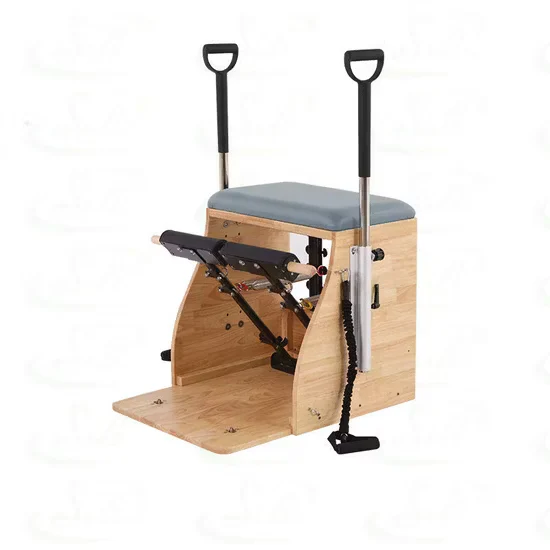
Fitness Machine Pilates Reformers Body Balanced Pilates Machine Wooden Pilates Chair
