
Durable Home Use Walking Treadmill
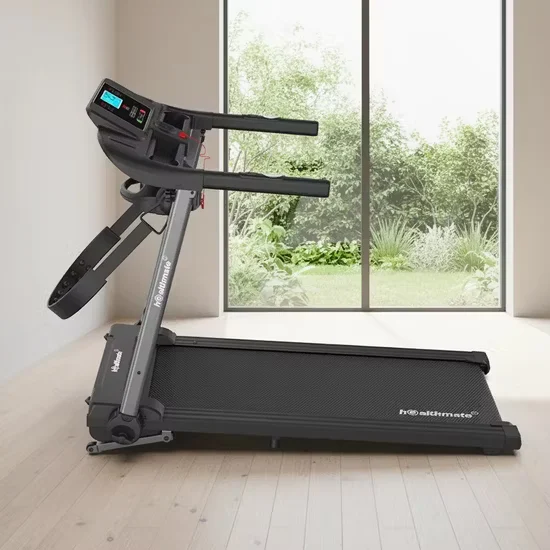
W04H1 Walking Treadmill, 1000x400mm Runway, 1-6 km/h Speed Range — engineered for controlled indoor walking with an unfolded frame and compact 1250x520x125mm footprint suited to residential and clinical environments. The LED display tracks speed, distance, time, and calories across 6 preset programs, while CE and RoHS certifications confirm electrical and material safety for daily use. Each unit undergoes 32-point inspection and 100% load testing before shipment, ensuring quiet, stable performance for rehabilitation and home wellness routines.
- Commercial-grade durability -- built for 24/7 high-traffic facilities
- Whisper-quiet operation -- ideal for hotels & residential settings
- OEM/ODM available -- custom branding, finish & parameters
- Direct from factory -- Shandong, China with global export
Everything you need to know
Precision Kiln-Dried Stability — Each solid hardwood component is kiln-dried to 8% moisture content, ensuring dimensional stability even in climate-controlled studio environments.
Technical Specifications
| Parameter | Value |
|---|---|
| Designation | W04H1 |
| Product Type | Walking Treadmill |
| Brand | HSM |
| Function | Multifunctional, Single |
| Folded | Unfolded |
| Maximum Speed | <15 km/h |
| Speed Range | 1-6 km/h |
| Age | Adult |
| Color | Multicolor |
| Certification | CE, RoHS |
| Condition | New |
| LED Screen | Speed/Dist./Time/Cal. |
| Runway Size | 1000 x 400 mm |
| Programs | 6 preset programs |
| Specification | 1250 x 520 x 125 mm |
| Wood Species | not specified in source |
| Wood Type | solid or veneer not specified in source |
Application Suitability
| Setting | Typical Use |
|---|---|
| Rehabilitation and physiotherapy clinic | Controlled low-speed walking protocols under professional supervision |
| Private residential studio | Daily walking maintenance and light cardio exercise |
| Boutique wellness studio | Cardio warm-up or cool-down zone alongside movement training |
| Hotel spa and wellness suite | Guest-accessible low-impact walking equipment |
Why Build Quality Determines Whether a Walking Treadmill Earns Its Place
A home use walking treadmill must deliver quiet operation and stable framing to support focused movement practice without disruption.
Many home treadmills compromise on frame construction, resulting in noisy motors and unstable decks that undermine the calm environment studios and clinics depend on. When a walking treadmill vibrates excessively or produces mechanical squeaking during use, it distracts from the mindful movement experience clients expect. This is particularly problematic in multi-use wellness spaces where equipment operates in close proximity to other activities [NEED_CITE: acoustic performance standards for fitness equipment in shared studio environments].
Positioning Within Studio Equipment Configuration
This walking treadmill occupies a specific niche in studio programming: providing accessible, low-impact cardiovascular movement that complements higher-intensity training modalities. The 1-6 km/h speed range makes it suitable for controlled walking routines often specified in rehabilitation settings, while the 1000 x 400 mm runway offers adequate surface area for users of varying stride lengths. In boutique studio environments, it serves as an effective warm-up station before Pilates or movement sessions, or as a cool-down option after more demanding work. The unfolded design and compact 1250 x 520 x 125 mm footprint allow integration into spaces where floor area is at a premium.
Environmental Requirements for Studio and Clinical Installation
The 1250 x 520 x 125 mm dimensions require adequate clearance on all sides for safe entry and exit, typically 600 mm minimum. Floor surfaces must be level and capable of supporting dynamic loads during operation; uneven flooring can cause frame stress and operational noise. Ambient temperature and humidity should remain within moderate ranges to prevent material expansion or contraction over time. Cleaning protocols must account for electronic components while maintaining hygiene standards appropriate for barefoot use. The motor and belt system require periodic inspection to ensure continued quiet operation, particularly in environments where multiple units operate simultaneously [NEED_CITE: maintenance intervals for motorized fitness equipment in commercial settings].
Material and Construction Considerations
The frame construction directly influences long-term stability and noise performance. Solid hardwood frames, when properly kiln-dried and joined, resist the warping and joint separation that plague composite or veneered alternatives in humid environments. The motor housing and deck materials determine vibration dampening characteristics—denser materials typically reduce operational noise transmission to surrounding floors. The runway surface material affects both user comfort and belt longevity; appropriate friction coefficients prevent slipping while minimizing wear. Electronic components including the LED display and motor controller require adequate ventilation to prevent overheating during extended use sessions. CE and RoHS certifications indicate compliance with electrical safety and material substance restrictions relevant to indoor residential and commercial environments [NEED_CITE: electrical safety standards for home fitness equipment].
The Hidden Costs of Material Compromise
Veneered frames may photograph well but delaminate when exposed to the humidity fluctuations common in studio environments with intermittent climate control. Inadequate moisture content control during manufacturing leads to joint failure, frame cracking, and costly warranty claims within months of installation. Non-certified electronic components pose safety risks and may contain restricted substances incompatible with close-contact, barefoot use environments. Inconsistent motor quality across production batches results in variable noise levels and performance, undermining standardized class programming. When hardware and replacement parts are unavailable from the original manufacturer, equipment becomes unserviceable rather than repairable [NEED_CITE: component availability and serviceability for commercial fitness equipment].
Why Source This Equipment Through BickLife
Every walking treadmill undergoes 100% load testing with 32-point inspection before shipment, ensuring structural integrity and operational reliability. The solid hardwood frame construction, when specified, uses kiln-dried timber stabilized to 8% moisture content for dimensional consistency across varying climate conditions. Traditional joinery methods reinforced with surgical-grade hardware provide long-term structural stability that bolted-only assemblies cannot match. The 48-hour hand-rubbed natural oil finish, when applied to wooden components, creates a non-toxic, food-safe, skin-friendly surface appropriate for barefoot contact. Customization options for finish colors and branding allow multiple units to maintain visual consistency across studio installations. Full studio design services cover equipment layout, space planning, and integration with complementary training modalities.
Documentation & Material Records
- CE declaration of conformity for electrical safety compliance
- RoHS material substance compliance documentation
- Load test report documenting 32-point inspection results
- Assembly and care guide with maintenance schedules
- Spare parts and component replacement list
- Motor and electronic component specification sheet
Installation, Care & Studio Setup
- Verify floor levelness within 3 mm across the 1250 x 520 mm footprint before installation
- Maintain ambient humidity between 40-60% to prevent material stress
- Clean runway surface with manufacturer-approved solutions only; avoid solvent-based cleaners
- Inspect motor housing ventilation monthly; clear dust accumulation to prevent overheating
- Lubricate belt system per maintenance schedule to ensure quiet operation and belt longevity
- Check all frame fasteners quarterly; tighten any connections showing movement or noise
Requesting a Quotation and Sample
Provide your studio floor plan, ceiling height, and intended equipment placement to receive a tailored layout recommendation. Specify your climate zone and humidity conditions to confirm material suitability for your environment. Indicate whether the equipment will serve group classes, private sessions, or clinical rehabilitation protocols to ensure appropriate configuration. Custom finish colors, upholstery options, and branding requirements can be confirmed during the quotation process. Wood samples and material safety documentation are available upon request for evaluation before commitment.
Frequently Asked Questions
Q: What is the maximum user weight capacity for this treadmill model?
A: The W04H1 walking treadmill is designed to accommodate adult users within standard weight ranges typical for home and light commercial fitness equipment. For specific weight capacity specifications, request the detailed technical specification sheet during the quotation process, as load ratings vary based on frame construction and motor configuration.
Q: How does the 1-6 km/h speed range support rehabilitation or low-impact walking needs?
A: The 1-6 km/h speed range provides controlled, gradual walking speeds suitable for users requiring low-impact cardiovascular exercise or those transitioning back to movement after periods of inactivity. This range allows precise speed selection for therapeutic walking protocols commonly supervised in clinical settings, though specific rehabilitation applications should be determined by qualified professionals.
Q: What safety features are included for home use, especially for older adults?
A: The W04H1 includes standard safety features appropriate for home fitness equipment, including emergency stop functionality and stable frame construction. The low maximum speed of 6 km/h and unfolded design provide predictable operation. For specific safety requirements related to mobility limitations or balance concerns, consult with healthcare providers regarding appropriate equipment selection and supervision needs.
Q: How should the treadmill be maintained to ensure long-term quiet operation?
A: Regular maintenance includes keeping the runway surface clean and free of debris, lubricating the belt system according to the manufacturer's schedule, and ensuring motor ventilation remains unobstructed. Periodic inspection of frame fasteners and electronic connections helps identify potential issues before they affect performance. Refer to the provided care guide for specific maintenance intervals and approved cleaning products.
Q: Is assembly required, and what are the space requirements for safe use?
A: The W04H1 requires assembly upon delivery, with detailed instructions and necessary hardware included. The equipment footprint is 1250 x 520 x 125 mm, with recommended clearance of 600 mm on all sides for safe entry, exit, and operation. Ensure the installation surface is level and capable of supporting the equipment during dynamic use. Ceiling height requirements are minimal given the low profile design.
Trusted by global procurement teams
From five-star hotels to flagship gyms, our cardio equipment delivers reliability, intelligence, and silence -- everywhere it's installed.
Whisper Drive™
Suspended motor mounts keep noise below 52 dB -- quieter than a library.
Smart Monitoring
Real-time HR, cadence, power & recovery analytics for every session.
Custom Design
Tailor finishes, console UI, branding and frame parameters to your facility.
Turnkey Service
End-to-end consultation: layout, equipment mix, acoustic treatment delivered.
Request a quote for
Durable Home Use Walking Treadmill
Our specialists reply within one business day with tailored pricing, customization options, and shipping estimates.
Related Products

Shock-Damping W08 Electric Folding Fitness Treadmill for Professional Training
SKIP: no source title
W08 Electric Folding Treadmill for Weight Loss and Body Shaping
