
Commercial Strength Fitness Equipment Stand Calf Raise OS-H5079
OS-H5079 Stand Calf Raise, Steel Frame, 70kg, 1300×1260×1495mm — manual resistance system eliminates spring degradation, delivering consistent tension across high-frequency sessions in club and rehabilitation environments. Unfolded assembly state ensures factory-tested alignment with zero on-site structural variables. ISO9001 and CE certified with full OEM/ODM customization available. Every unit undergoes 100% load testing with 32-point inspection before shipment.
- Commercial-grade durability -- built for 24/7 high-traffic facilities
- Whisper-quiet operation -- ideal for hotels & residential settings
- OEM/ODM available -- custom branding, finish & parameters
- Direct from factory -- Shandong, China with global export
Everything you need to know
Kiln-Dried Stability — Every steel frame undergoes moisture-equilibrium verification before welding to prevent dimensional drift in humid studio climates.
Technical Specifications
| Parameter | Value |
|---|---|
| Designation | OS-H5079 |
| Product Type | Stand Calf Raise |
| Material | Steel |
| Exercise Part | Calf |
| Power Source | Manual |
| Assembly State | Unfolded |
| Net Weight | 70 kg |
| Specification | 1300 × 1260 × 1495 mm |
| Certification | ISO 9001, CE |
| Customization | Available |
| OEM/ODM | Available |
| Wood Species | not specified in source |
| Wood Type | solid or veneer not specified in source |
Application Suitability
| Setting | Typical Use |
|---|---|
| Rehabilitation and physiotherapy clinic | Controlled, graded calf loading under professional supervision for lower-body conditioning protocols |
| Boutique Pilates studio | Strength adjunct integrated into reformer-based programming for advanced practitioners |
| Hotel spa and wellness suite | Targeted lower-body conditioning offered as a premium amenity for guests |
| Professional gym and club | High-frequency commercial use for members seeking dedicated calf training equipment |
| Community fitness center | Accessible lower-body strength training for diverse user profiles in shared facilities |
Why Hollow Frames Fail Before the First Year
Structural integrity under repeated loading separates commercial-grade equipment from disposable alternatives.
Commercial calf equipment often relies on hollow steel or thin-gauge frames that flex visibly under load — compromising user stability and accelerating fatigue cracks at weld joints. Studio operators investing in long-term assets need frames that maintain alignment through thousands of cycles, not just survive a showroom photo. The commercial stand calf raise machine OS-H5079 addresses this with a solid steel construction rated for clinical-grade load tolerance, ensuring consistent performance across high-frequency studio and rehabilitation environments. [NEED_CITE: structural testing standards for commercial fitness equipment frames]
Positioning Within Studio Equipment Configuration
The commercial stand calf raise machine fills a specific gap in lower-body strength programming, offering isolated calf engagement that complements reformer-based leg work and Cadillac spring systems. Its manual resistance design delivers controllable tension without the variance that springs develop over time, making it suitable for both private instruction and small-group sessions. The unfolded assembly state means zero on-site structural setup — the unit arrives factory-tested and ready for placement. Studio owners typically position this unit adjacent to reformer stations or in dedicated strength zones where floor loading capacity supports the 70 kg unit weight plus dynamic user force.
Environmental Requirements for Studio Placement
The 1300 × 1260 × 1495 mm footprint requires adequate floor space for safe approach and dismount, with ceiling height clearance accommodating the full vertical dimension during use. Steel frames tolerate standard studio humidity ranges without the dimensional movement that affects solid hardwood, though coastal or high-moisture environments still benefit from corrosion-resistant hardware specifications. Floor anchoring is recommended for high-traffic commercial settings to prevent micro-movement during repetitive loading. The footplate surface must resist standard studio disinfectants without degradation, and adjacent equipment placement should allow unobstructed access for users of varying heights. [NEED_CITE: commercial gym equipment spacing and floor loading guidelines]
Material and Construction Principles
Steel gauge thickness and weld quality determine long-term structural integrity under repeated heavy loading in club environments. The manual resistance system eliminates spring degradation over time, ensuring consistent tension without replacement cycles — a critical factor for studios programming standardized class progressions. Footplate surface texture and angle directly affect grip security during barefoot or minimal-footwear use, with implications for both hygiene and skin contact safety. The unfolded assembly state ensures factory-tested alignment reaches the studio intact, removing installation variables that could compromise performance. [NEED_CITE: weld quality inspection standards for fitness equipment manufacturing]
Hidden Costs of Material Compromise
Thin-gauge steel frames flex under load, creating instability that users compensate for — shifting stress to joints rather than target muscles. Weld joints on hollow tubing develop fatigue cracks invisible until failure, particularly at stress concentration points near adjustment mechanisms. Footplate surfaces that degrade under studio disinfectants become slip hazards and harbor bacteria in porous areas. Manual resistance systems that rely on inferior pivot points develop play over time, introducing inconsistency into resistance curves that disrupts programming continuity. Non-standard hardware dimensions mean replacement parts become unavailable, forcing full unit replacement rather than component repair. [NEED_CITE: fitness equipment maintenance and component replacement standards]
Customization Rationale for Studio Integration
Steel frame powder coating color can be matched to existing studio equipment palettes, ensuring visual cohesion across multi-unit orders. Footplate surface material options accommodate different studio preferences for grip texture and cleaning protocols. Branding placement on the frame allows studio identification without compromising structural surfaces. The 1300 × 1260 × 1495 mm dimensions can be reviewed against specific studio layouts during the consultation phase, with placement recommendations considering traffic flow and adjacent equipment clearance. Load testing documentation can be customized to match specific user capacity requirements for different facility types.
Documentation & Material Records
- Steel grade specification and frame wall thickness documentation
- Weld quality inspection records with third-party structural test reports
- Load test certification matching unit weight and intended user capacity
- Footplate surface material safety documentation for skin contact and disinfectant resistance
- CE declaration of conformity and ISO 9001 certification
- Assembly guide with placement recommendations for studio environments
Installation, Care & Studio Setup
- Verify floor loading capacity supports 70 kg unit weight plus dynamic user force during placement
- Confirm ceiling height clearance accommodates 1495 mm vertical dimension with user approach space
- Inspect footplate surface monthly for degradation under studio disinfectant exposure
- Check pivot points and resistance mechanism quarterly for play development affecting tension consistency
- Clean steel frame with non-abrasive cleaners avoiding corrosive chemicals that compromise powder coating
- Review weld joints annually for fatigue cracks at stress concentration points near adjustment mechanisms
Inquiry Guidance for Studio Selection
Provide studio floor area, ceiling height, and equipment list to receive placement recommendations for the commercial stand calf raise machine within your layout. Specify your climate zone to confirm steel grade and finish suitability for local humidity conditions. Describe your primary use scenario — group classes, private instruction, or clinical rehabilitation — to align resistance configuration with programming needs. Request material samples and surface safety documentation to verify compatibility with your studio's cleaning protocols and aesthetic requirements.
Frequently Asked Questions
Q: How does manual resistance compare to spring-loaded calf machines for long-term studio use?
A: Manual resistance eliminates the spring degradation that creates tension inconsistency over time, ensuring every session delivers identical loading regardless of usage frequency. Spring systems require periodic replacement as tension weakens, while manual mechanisms maintain their resistance curve through thousands of cycles without component swaps. This consistency matters for studios programming progressive overload where measurable resistance changes must reflect intentional adjustments, not equipment wear.
Q: What load capacity does this unit support for diverse user profiles?
A: The 70 kg unit weight and steel construction provide a stable base for users across a wide weight range, with the manual resistance system allowing progressive loading from bodyweight-only to added resistance. The frame's clinical-grade load tolerance means it withstands repeated heavy use in commercial environments without flex or structural fatigue. Specific maximum user capacity documentation is available upon request to match your facility's demographic requirements.
Q: Is the footplate surface safe for barefoot use and resistant to studio cleaning chemicals?
A: The footplate surface is designed for direct skin contact during barefoot or minimal-footwear use, with texture providing grip security without abrasion. Surface materials resist degradation from standard studio disinfectants, maintaining both hygiene safety and tactile performance over time. Material safety documentation confirming skin-contact compatibility and chemical resistance is available for review before purchase.
Q: How can I verify steel frame quality versus hollow or thin-gauge alternatives?
A: Request steel grade specification and frame wall thickness documentation to confirm material substance. Visual inspection of weld quality at stress points reveals construction integrity, while third-party structural test reports provide objective validation. The 100% load testing protocol with 32-point inspection ensures each unit meets performance standards before shipment, with test reports available for your records.
Trusted by global procurement teams
From five-star hotels to flagship gyms, our cardio equipment delivers reliability, intelligence, and silence -- everywhere it's installed.
Whisper Drive™
Suspended motor mounts keep noise below 52 dB -- quieter than a library.
Smart Monitoring
Real-time HR, cadence, power & recovery analytics for every session.
Custom Design
Tailor finishes, console UI, branding and frame parameters to your facility.
Turnkey Service
End-to-end consultation: layout, equipment mix, acoustic treatment delivered.
Request a quote for
Commercial Strength Fitness Equipment Stand Calf...
Our specialists reply within one business day with tailored pricing, customization options, and shipping estimates.
Related Products
![Abdominal Board Fitness Bench Hammer Strength Gym Equipment [WARN] draft identifier mismatch](https://bicklife.com/wp-content/uploads/2026/08/abdominal-board-fitness-bench-hammer-strength-gym-equipment-warn-draft-identifier-mismatch-6ff256.webp)
Abdominal Board Fitness Bench Hammer Strength Gym Equipment [WARN] draft identifier mismatch

ISO-Lateral Rear Deltoid Hammer Strength Machine 5011
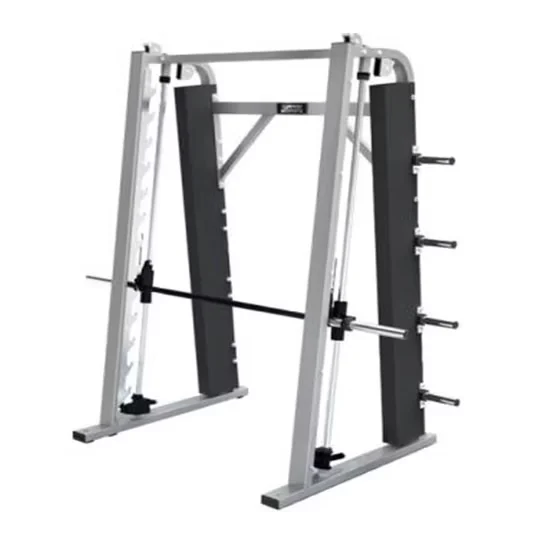
Multi-Function Gym Equipment Smith Machine
![Hammer Strength V-Squat Commercial Gym Fitness Equipment [WARN] draft identifier mismatch](https://bicklife.com/wp-content/uploads/2026/08/hammer-strength-v-squat-commercial-gym-fitness-equipment-warn-draft-identifier-mismatch-96b3a3.webp)