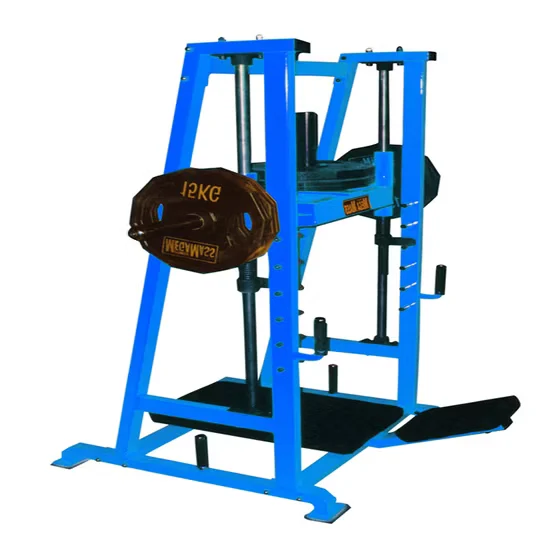
![Hammer Strength V-Squat Machine for Commercial Gyms [WARN] draft identifier mismatch](https://bicklife.com/wp-content/uploads/2026/08/hammer-strength-v-squat-machine-for-commercial-gyms-warn-draft-identifier-mismatch-cfcd13.webp)
Hammer Strength V-Squat Machine for Commercial Gyms [WARN] draft identifier mismatch
V-Squat Machine Model 5040, Steel Frame, 160kg Net Weight — engineered for high-repetition leg training in commercial gym environments with stable loaded compound movements. The 1550×1850×1650mm footprint fits standard strength zones while ISO9001 and CE certifications validate manufacturing quality. Every unit undergoes load testing with full documentation for commercial operation continuity.
- Commercial-grade durability -- built for 24/7 high-traffic facilities
- Whisper-quiet operation -- ideal for hotels & residential settings
- OEM/ODM available -- custom branding, finish & parameters
- Direct from factory -- Shandong, China with global export
Everything you need to know
Steel Frame Stability Under Load — The 160kg net weight of this hammer strength v-squat machine eliminates floor anchoring requirements during heavy compound leg training, delivering commercial-grade structural rigidity for high-repetition gym environments.
Technical Specifications
| Parameter | Value |
|---|---|
| Designation | 5040 |
| Product Type | V-Squat Machine |
| Brand | Huiyang |
| Material | Steel |
| Net Weight | 160kg |
| Working Size | 1550×1850×1650mm |
| Exercise Part | Leg |
| Age Group | Adult |
| Gender | Unisex |
| Certification | ISO 9001, CE |
| Appliance | Community, Gymnasium |
| Production Capacity | 500 PCS/Month |
| Transport Package | Plywood Box |
Application Suitability
| Setting | Typical Use |
|---|---|
| Commercial gymnasium strength zone | High-volume leg training during peak operating hours |
| Community fitness center | Group circuit programming with varied user loads |
| Personal training studio | One-on-one coached squat variations |
| Hotel spa and wellness suite | Guest-accessible lower body conditioning |
| Rehabilitation and physiotherapy clinic | Controlled movement under professional supervision |
Why Commercial Gyms Reject Lightweight Leg Machines
Structural rigidity determines whether a hammer strength v-squat machine survives daily heavy use or becomes a maintenance liability.
Commercial gym operators face equipment failure when leg machines lack structural rigidity under heavy loads, creating safety risks and maintenance downtime. Steel frames that flex during loaded squats transfer vibration to users, compromising form and confidence. Thin-gauge tubing welded at stress points develops micro-fractures within months of continuous operation, requiring replacement before the next maintenance cycle. [NEED_CITE: structural integrity standards for commercial fitness equipment]
Positioning Within Studio Equipment Configuration
This hammer strength v-squat machine occupies the heavy compound movement category, complementing isolation machines like leg extensions and hamstring curls in a comprehensive leg training zone. The fixed-angle pressing path supports users through full-range squat patterns without requiring balance stabilization, making it suitable for both strength-focused clients and those working under professional supervision in clinical settings. The 1550×1850mm footprint accommodates average-to-tall users while maintaining clearance for adjacent equipment in commercial floor plans.
Facility Requirements for Installation
The 160kg net weight demands floor surfaces capable of supporting concentrated point loads without deflection; rubber matting beneath the frame prevents surface scratching and reduces vibration transmission to neighboring spaces. Ceiling height must exceed 1850mm plus overhead clearance for user entry and exit. Commercial environments with humidity fluctuations require powder-coated steel surfaces that resist corrosion from sweat and cleaning agents. High-traffic placement necessitates regular inspection of weld joints and bearing surfaces to maintain operational safety. [NEED_CITE: flooring load capacity guidelines for commercial gym equipment]
Steel Construction and Commercial Durability
Steel frame construction provides consistent load distribution across the pressing path, eliminating the flex points common in lighter-gauge alternatives. The 160kg mass creates inherent stability during eccentric and concentric phases, removing the need for floor bolting in most commercial installations. Powder-coated finishes resist chipping from weight plate contact and withstand frequent disinfection without surface degradation. Bearing-type pivot points maintain smooth articulation under repetitive loading, reducing maintenance frequency compared to bushing-based designs. Surface treatment protocols must address both aesthetic durability and hygiene requirements in shared-use environments.
The Hidden Cost of Compromised Frame Construction
Lightweight steel frames marketed for commercial use often employ thin-wall tubing that deflects under load, creating unstable pressing platforms that compromise user safety and equipment longevity. Weld quality inconsistencies at stress junctions become failure points within the first year of intensive use, generating unplanned downtime and replacement costs. Surface coatings that chip or corrode expose bare metal to sweat and cleaning chemicals, accelerating deterioration while creating hygiene concerns in shared facilities. Non-standardized bearing components become unavailable after initial purchase, forcing complete unit replacement rather than component-level repair. [NEED_CITE: welding quality inspection standards for fitness equipment manufacturing]
Why Specify This Configuration
The 1550×1850×1650mm dimensions integrate into standard commercial strength zones without requiring custom floor planning or ceiling modifications. Steel frame construction with ISO 9001 manufacturing validation ensures consistent quality across multi-unit orders for chain facilities. CE certification confirms compliance with European safety standards for international deployment. The 500 PCS/Month production capacity supports phased studio rollouts or distributor inventory requirements. Custom branding options allow facility-specific identification across equipment fleets while maintaining standardized performance specifications.
Documentation & Material Records
- ISO 9001 quality management certification for manufacturing processes
- CE declaration of conformity for European market compliance
- Steel material grade certification and thickness verification
- Load testing documentation for maximum user capacity validation
- Surface treatment specification and coating durability report
- Assembly instructions with torque specifications for critical fasteners
Installation, Care & Studio Setup
- Floor preparation requires level surface capable of supporting 160kg concentrated load plus dynamic user weight
- Rubber matting installation recommended beneath frame to prevent surface damage and reduce vibration transmission
- Monthly inspection of weld joints at stress points for micro-fracture development under repetitive loading
- Bearing pivot points require periodic lubrication per manufacturer schedule to maintain smooth articulation
- Powder-coated surfaces clean with standard gym disinfectants; avoid abrasive pads that compromise finish integrity
- Weight plate storage areas should be positioned to prevent frame impact during loading and unloading
Requesting a Configuration Quote
Provide facility floor dimensions and ceiling height to confirm spatial compatibility with the 1550×1850×1650mm footprint. Specify intended usage environment—commercial gym, community center, or clinical setting—to align resistance configuration with operational demands. Indicate multi-unit requirements for fleet pricing and branding consistency across locations. Request material documentation packages for procurement approval processes and safety compliance verification.
Frequently Asked Questions
Q: What is the maximum user weight capacity for commercial V-squat machines? A: The 5040 model features a 160kg net weight providing inherent stability during loaded compound movements. Maximum user capacity depends on steel frame thickness and welding quality at stress junctions. Commercial-grade construction typically supports users exceeding 150kg when combined with proper weight distribution across the pressing platform. Load testing documentation should be requested to verify specific capacity ratings for your facility's user demographic.
Q: How does steel frame construction compare to alternative materials for gym equipment? A: Steel provides superior load-bearing capacity and structural rigidity compared to aluminum or composite alternatives in high-repetition commercial environments. The material's inherent mass eliminates stability concerns during heavy eccentric loading without requiring floor anchoring. Steel frames resist deformation under continuous use better than lighter materials, though they require protective coatings to prevent corrosion from sweat and cleaning agents. Welding quality becomes the critical variable determining long-term structural integrity.
Q: What maintenance is required for commercial leg training equipment? A: Steel frame equipment requires monthly visual inspection of weld joints at stress points for early detection of micro-fractures. Bearing pivot points need periodic lubrication to maintain smooth articulation under repetitive loading cycles. Powder-coated surfaces should be cleaned with non-abrasive disinfectants to preserve finish integrity while meeting hygiene standards. Weight plate contact areas benefit from protective padding to prevent coating damage during loading operations.
Q: How to verify equipment meets commercial gym safety standards? A: Request ISO 9001 certification documentation confirming manufacturing quality control processes meet international standards. CE declaration of conformity validates compliance with European safety requirements for international deployment. Load testing reports should specify maximum user capacity and structural validation methodology. Welding inspection records and material grade certifications provide traceability for critical structural components. Third-party testing validation offers additional assurance for procurement approval processes.
Q: What floor space and ceiling height requirements apply to V-squat machines? A: The 1550×1850×1650mm footprint requires adequate clearance for user entry, exit, and weight plate loading on all accessible sides. Ceiling height must exceed 1650mm plus overhead clearance for taller users during full-range movements. Floor surfaces must support concentrated point loads from the 160kg frame plus dynamic user weight without deflection. Rubber matting installation beneath the unit prevents surface damage and reduces vibration transmission to adjacent equipment or neighboring spaces.
Trusted by global procurement teams
From five-star hotels to flagship gyms, our cardio equipment delivers reliability, intelligence, and silence -- everywhere it's installed.
Whisper Drive™
Suspended motor mounts keep noise below 52 dB -- quieter than a library.
Smart Monitoring
Real-time HR, cadence, power & recovery analytics for every session.
Custom Design
Tailor finishes, console UI, branding and frame parameters to your facility.
Turnkey Service
End-to-end consultation: layout, equipment mix, acoustic treatment delivered.
Request a quote for
Hammer Strength V-Squat Machine for Commercial...
Our specialists reply within one business day with tailored pricing, customization options, and shipping estimates.
Related Products

Heavy Duty Power Rack Sports Strong Building Equipment for Gym

ISO-Lateral Decline Bench Plate Loaded Strength Equipment OS-H5004

Commercial Vertical Leg Press Machine Indoor Strength Training Equipment