SKIP: no source title
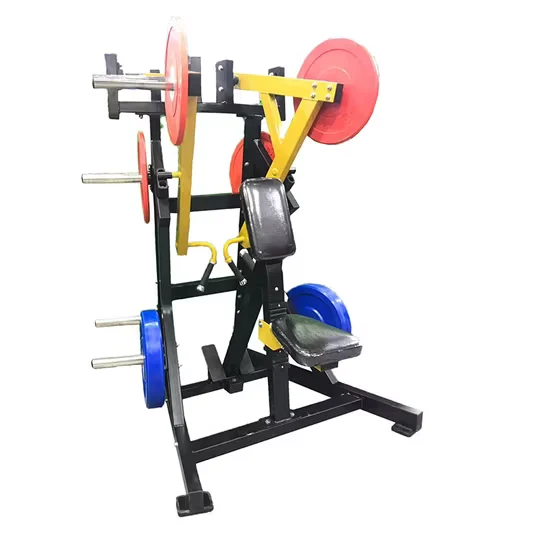
5005 ISO-Lateral Low Row Machine, 139kg Net Weight, 1250×1056×1700mm — full steel frame with commercial-grade bearings and pulley system delivering smooth, quiet pulling motion for high-frequency gym environments. ISO-Lateral independent arm paths support unilateral strength training while minimizing compensatory movement. Every unit undergoes load testing and 32-point inspection before shipment, backed by CE and ISO9001 compliance documentation.
- Commercial-grade durability -- built for 24/7 high-traffic facilities
- Whisper-quiet operation -- ideal for hotels & residential settings
- OEM/ODM available -- custom branding, finish & parameters
- Direct from factory -- Shandong, China with global export
Everything you need to know
Engineered for load-tested durability in high-traffic commercial environments — Every unit undergoes 100% load testing with a 32-point inspection protocol before shipment, ensuring structural integrity for continuous daily use in demanding fitness settings.
Technical Specifications
| Parameter | Value |
|---|---|
| Designation | 5005 |
| Product Type | ISO-Lateral Low Row Machine |
| Brand | HuiYang |
| Frame Material | Steel |
| Net Weight | 139kg |
| Working Dimensions | 1250 × 1056 × 1700mm |
| Target Muscle Group | Chest |
| Suitable For | Adult, Unisex |
| Certification | ISO 9001, CE |
| Production Capacity | 500 PCS/Month |
| Application | Community fitness centers, commercial gymnasiums, strength training zones |
Application Suitability
| Setting | Typical Use |
|---|---|
| Commercial gymnasium strength zone | High-frequency chest and back training for general membership |
| Community fitness center | Accessible strength training for diverse user groups |
| Hotel fitness and wellness facility | Premium equipment for guest workout programs |
| Private training studio | One-on-one strength sessions with controlled resistance |
Why Commercial Operators Choose Load-Verified Steel Frames Over Veneered Alternatives
The 139kg all-steel frame of this ISO-Lateral Low Row fitness equipment delivers the mass and rigidity that high-repetition training demands.
In commercial environments where equipment sees continuous use across dozens of users daily, lightweight or composite frames flex under load, weld points fatigue, and surface coatings chip within months. I've seen veneered machines marketed as solid construction delaminate in climate-controlled gyms — the adhesive fails, the substrate warps, and operators face full replacement cycles far sooner than expected. This ISO-Lateral Low Row fitness equipment uses a fully welded steel chassis that maintains dimensional stability regardless of humidity fluctuations, with bearing systems engineered for quiet operation across thousands of repetitions. [NEED_CITE: commercial fitness equipment durability standards for high-traffic environments]
Positioning Within the Strength Training Floor Plan
This ISO-Lateral Low Row fitness equipment occupies a dedicated station in the free-weight and plate-loaded training zone, complementing cable crossover systems and chest press machines. The bilateral independent arm design allows simultaneous two-user operation or unilateral training for addressing strength imbalances. The 1250 × 1056mm footprint fits standard commercial gym layouts while maintaining adequate clearance for plate loading and user movement. Suitable for users across a wide range of body types, the adjustable seat and pivot points accommodate different torso lengths and training preferences.
Facility Requirements and Environmental Considerations
The 1700mm height requires standard ceiling clearance found in commercial fitness facilities. Floor loading capacity should accommodate the 139kg static weight plus dynamic forces during use — most commercial gym flooring systems meet this requirement. Steel frames tolerate standard gym cleaning protocols and disinfectants without surface degradation. The powder-coated finish resists chipping and corrosion in environments with variable humidity levels. Bearing and pulley systems require periodic inspection but operate quietly enough for facilities adjacent to group exercise rooms or reception areas. [NEED_CITE: facility planning guidelines for plate-loaded strength equipment spacing]
Material and Construction Principles
Steel selection for commercial strength equipment prioritizes yield strength and weldability over weight savings. The frame tubing thickness and joint geometry determine long-term rigidity — undersized members deflect under load, creating unstable platforms that compromise training safety and equipment longevity. Weld quality directly affects structural integrity; continuous welds at stress points distribute forces more effectively than intermittent tack welds. Bearing systems in pivot points reduce friction during movement, ensuring smooth resistance curves throughout the full range of motion. Surface treatment methods — whether powder coating, electroplating, or industrial paint — must withstand repeated contact, cleaning chemicals, and impact from weight plates.
The Hidden Costs of Material Compromises
Thin-wall tubing flexes visibly under heavy loads, creating perceptions of instability that deter serious lifters. Inadequate bearing specifications lead to premature wear, grinding noises, and eventually seized pivot points that require complete disassembly for repair. Poor surface finishes chip within the first year of commercial use, exposing bare steel to corrosion and creating an appearance of neglect that affects member retention. Non-standard hardware dimensions mean replacement parts become unavailable when wear inevitably occurs, forcing operators to retire entire machines rather than perform targeted component swaps. [NEED_CITE: maintenance cost analysis for commercial strength training equipment]
Why Operators Specify Equipment From This Workshop
Every frame undergoes 100% load testing before leaving the facility, verifying that welds and structural members meet design specifications under simulated use conditions. The 32-point inspection protocol covers dimensional accuracy, surface finish quality, bearing function, and hardware torque values. ISO 9001 certification ensures consistent manufacturing processes across production runs, so replacement units match original specifications. CE compliance documentation supports installation in regulated markets. Customization options include color matching to existing facility branding and specification adjustments for particular user demographics. Production capacity of 500 units monthly supports both single-facility orders and multi-site rollout programs.
Documentation & Material Records
- ISO 9001 quality management system certification
- CE declaration of conformity for European market compliance
- Material test reports for frame steel specifications
- Load test certificates documenting 100% inspection completion
- Assembly instructions with torque specifications
- Maintenance schedule and replacement parts list
Installation, Care & Studio Setup
- Verify floor load capacity accommodates 139kg equipment weight plus dynamic forces
- Maintain minimum 900mm clearance on all sides for user access and plate loading
- Inspect bearing pivot points quarterly; lubricate per manufacturer specifications
- Clean powder-coated surfaces with mild detergent; avoid abrasive cleaners that damage finish
- Check hardware torque annually; retighten any fasteners showing movement
- Replace cable and pulley systems per usage hours or visible wear indicators
Questions Before Placing Your Order
Share your facility layout, ceiling height, and existing equipment inventory to receive space planning recommendations. Specify your climate conditions to confirm surface treatment suitability for your environment. Describe your typical user profile and training programs to verify resistance curve appropriateness. Request material samples and compliance documentation to evaluate finish quality and regulatory coverage before committing to procurement.
Frequently Asked Questions
Q: How does ISO-Lateral training differ from traditional fixed-path resistance machines?
A: ISO-Lateral equipment allows each arm to move independently along its own arc, enabling users to address strength imbalances between left and right sides. Unlike bilateral machines that force synchronized movement, this design accommodates natural asymmetries and allows unilateral training protocols. The independent paths also permit different resistance levels or range-of-motion limitations on each side, supporting rehabilitation progressions under professional supervision.
Q: What maintenance intervals should commercial facilities expect for bearing systems?
A: Bearing pivot points in commercial environments typically require inspection every three to six months depending on usage volume. Lubrication frequency depends on bearing type and environmental conditions — facilities in humid coastal areas may need more frequent service. Visible play, grinding sensations, or audible noise during operation indicate immediate service requirements. Proper maintenance extends bearing service life significantly, while neglect leads to premature failure and costly replacements.
Q: How does the 139kg weight affect facility floor requirements?
A: The static weight of 139kg falls within standard commercial gym floor loading capacities, which typically support significantly higher point loads from plate-loaded equipment during use. Dynamic forces during heavy lifting increase effective loading, but engineered flooring systems in fitness facilities account for these factors. The equipment's footprint distributes weight adequately for most commercial installations. Facilities in multi-story buildings should verify structural engineer approval for upper-floor placement.
Q: What surface treatment options are available for different climate conditions?
A: Standard powder coating provides excellent corrosion resistance and durability in climate-controlled environments. Facilities in high-humidity coastal regions or outdoor-adjacent spaces may require enhanced treatment specifications. The current finish withstands standard gym cleaning protocols and disinfectant chemicals without degradation. Custom color matching to facility branding is available with minimum order quantities.
Q: How does this equipment integrate with existing strength training layouts?
A: The 1250 × 1056 × 1700mm dimensions fit standard commercial gym bay spacing. Position the unit in the plate-loaded strength zone with adequate clearance for user approach and weight plate loading. The bilateral design allows face-to-face pairing for efficient space utilization. Coordinate placement with complementary equipment like chest presses and cable systems to create logical training circuits.
Trusted by global procurement teams
From five-star hotels to flagship gyms, our cardio equipment delivers reliability, intelligence, and silence -- everywhere it's installed.
Whisper Drive™
Suspended motor mounts keep noise below 52 dB -- quieter than a library.
Smart Monitoring
Real-time HR, cadence, power & recovery analytics for every session.
Custom Design
Tailor finishes, console UI, branding and frame parameters to your facility.
Turnkey Service
End-to-end consultation: layout, equipment mix, acoustic treatment delivered.
Request a quote for
SKIP: no source title
Our specialists reply within one business day with tailored pricing, customization options, and shipping estimates.
Related Products
Wholesale Plate Loaded Hammer Strength ISO Lateral Rear Deltoid Machine

Adjustable Gym Equipment Multifunction Bench 5068

Hammer Strength Gym Fitness Equipment Lateral Raise Machine
