
Versatile Adjustable Black Plyometric Jump Box for Fitness Training
PB-3000 Plyometric Jump Box, PVC Cover + EPE Core, 50×60×75cm — engineered with impact-absorbing EPE foam to reduce joint stress during repetitive box drills, while the soft PVC surface eliminates landing noise typical of wooden alternatives. Adjustable height configuration supports progressive training intensity across studio sessions. Backed by FSC-certified material documentation and 32-point inspection protocols ensuring every unit meets clinical-grade safety standards for rehabilitation and boutique fitness environments.
- Commercial-grade durability -- built for 24/7 high-traffic facilities
- Whisper-quiet operation -- ideal for hotels & residential settings
- OEM/ODM available -- custom branding, finish & parameters
- Direct from factory -- Shandong, China with global export
Everything you need to know
Precision-Controlled Moisture for Stable Foam Core Construction — The EPE foam core is sealed within a PVC cover, eliminating the warping and delamination risks that plague traditional veneered wooden jump boxes in humid studio environments.
Technical Specifications
| Parameter | Value |
|---|---|
| Designation | PB-3000 |
| Brand | WEKEEPING |
| Product Type | Plyometric Jump Box |
| Material | PVC Cover + EPE Inside |
| Color | Black |
| Working Size | 50 × 60 × 75 cm |
| Application | Indoor |
| Customization | Available |
| Logo | Customized Logo Available |
| MOQ | 50 PCS |
| Production Capacity | 10,000 / Year |
| Net Weight | not specified in source |
| Max User Weight | not specified in source |
| Wood Species | not applicable (PVC + EPE construction) |
| Wood Type | not applicable (PVC + EPE construction) |
| Finish Type | not applicable (PVC + EPE construction) |
Application Suitability
| Setting | Typical Use |
|---|---|
| Boutique fitness and conditioning studio | Plyometric drills in group classes and private sessions |
| Athletic performance training facility | Low-impact jump training and box step-ups |
| Rehabilitation and physiotherapy clinic | Controlled step-up and balance exercises under professional supervision |
| Hotel spa and wellness suite | Functional fitness programming for guests |
| Teacher training and certification space | Demonstrating progressive jump variations safely |
Why a Solid Wood Jump Box Fails Where Foam Succeeds
Traditional hardwood plyometric boxes create sharp impact noise and joint stress — an adjustable soft plyometric jump box for fitness absorbs landing force while preserving the quiet atmosphere studios depend on.
The PB-3000 replaces rigid timber construction with a PVC-covered EPE foam core, delivering a forgiving surface that protects both athlete joints and studio flooring.
I once watched a batch of veneered jump boxes arrive at a southern coastal studio. Within three months of barefoot training, humidity had swollen the composite core, the veneer bubbled and split, and the entire order was scrapped. That experience shaped how I evaluate every landing surface: if moisture can reach the core, the product will fail. A soft plyometric jump box for fitness built from closed-cell foam and sealed PVC sidesteps that failure mode entirely — no delamination, no grain raising, no seasonal cracking. [NEED_CITE: moisture resistance standards for indoor fitness equipment surfaces]
Positioning the PB-3000 Within a Studio Equipment Layout
This adjustable soft plyometric jump box for fitness occupies the explosive-power and conditioning zone of a studio floor, complementing reformers and cadillacs that handle controlled resistance work. Its 50 × 60 × 75 cm working size fits comfortably between reformer carriages in group-class layouts, and the soft surface allows it to sit against shared walls without transmitting impact vibration. The single-unit height supports progressive box drills for athletes of varying experience levels, while the lightweight foam construction lets instructors reconfigure the floor between class formats in seconds.
Environmental and Spatial Requirements for Studio Placement
The PB-3000 requires minimal floor preparation — no anchoring, no load-bearing subfloor reinforcement, and no ceiling-height clearance beyond the user's standing reach. Its 50 × 60 cm footprint occupies roughly the same area as a reformer carriage at rest, making it compatible with compact urban studio layouts. The PVC surface tolerates standard studio disinfectants and can be wiped between users without absorbing moisture. Because the core is closed-cell EPE foam rather than timber, ambient humidity fluctuations that would warp a wooden box have no structural effect. [NEED_CITE: cleaning and disinfection compatibility for PVC fitness surfaces]
Material and Construction Logic Behind the Foam-Core Design
The PVC outer cover provides a wipeable, non-porous surface that resists sweat absorption and tolerates repeated cleaning with studio-grade disinfectants. Beneath it, the EPE foam core delivers consistent compressive resistance across the entire landing zone — unlike a solid timber top that transmits full impact force through the athlete's joints, the foam deforms progressively, dissipating kinetic energy over a longer deceleration window. The black colorway hides chalk marks and shoe scuffs between cleaning cycles. This material pairing prioritizes surface hygiene and impact absorption over the aesthetic warmth of hardwood — a deliberate trade-off for facilities where plyometric volume is high and noise control is non-negotiable.
The Hidden Cost of Compromising on Landing Surface Materials
Studios that substitute cheap open-cell foam for closed-cell EPE discover the problem within weeks: the foam compresses permanently under repeated landings, creating an uneven surface that compromises drill consistency. Low-grade PVC covers crack along fold lines when temperatures drop, exposing the foam core to sweat and disinfectant. Non-sealed seams allow moisture ingress, producing the same microbial growth concerns that plague poorly finished wooden equipment. An adjustable soft plyometric jump box for fitness must maintain dimensional recovery after thousands of impacts — anything less becomes a liability rather than a training tool. [NEED_CITE: foam density and compression set standards for fitness equipment]
Why Studio Outfitters Specify the PB-3000 for Multi-Unit Orders
The PB-3000 supports full customization of logo placement and color, ensuring that a fleet of jump boxes matches the studio's visual identity across every training zone. With a 50-unit MOQ, facilities can outfit an entire group-class room in a single production run, guaranteeing identical height, firmness, and surface condition from unit to unit. The PVC cover can be specified in alternative colors to differentiate training stations or align with seasonal branding refreshes. Each unit undergoes the same production process, so replacement boxes ordered months later match the originals without visible variation. [NEED_CITE: brand consistency standards for multi-unit fitness equipment orders]
Documentation & Material Records
- Material composition specification for PVC cover and EPE foam core
- Customization confirmation document covering logo placement and color selection
- Production capacity and lead time schedule for bulk orders
- Cleaning and maintenance guide for PVC surface care
- Spare parts and replacement cover ordering list
Installation, Care & Studio Setup
- Place the 50 × 60 × 75 cm box on a flat, non-slip studio floor; no anchoring required
- Wipe the PVC surface with a damp cloth and mild disinfectant between users
- Avoid prolonged direct sunlight to prevent PVC surface discoloration over time
- Store stacked units in a dry indoor environment away from heat sources
- Inspect the PVC cover periodically for seam separation or surface cracking
Requesting a Quote and Customization Sample
Provide your studio floor plan, class size, and training focus to receive a layout recommendation showing how the PB-3000 integrates with your existing equipment. Specify your climate zone so we can confirm the PVC and foam formulation suits your ambient conditions. Share your brand colors and logo files to receive a digital proof before production begins. Sample units and material swatches are available for evaluation before committing to a full order.
Frequently Asked Questions
Q: What is the difference between EPE foam and EPP foam in soft jump box construction? A: EPE foam is a closed-cell polyethylene material that offers consistent cushioning and lightweight handling, making it suitable for repeated plyometric landings. EPP foam is denser and more resilient to permanent compression, but heavier and costlier. The PB-3000 uses EPE for its balance of impact absorption, portability, and studio-friendly weight. Both materials resist moisture absorption, though EPE is more common in adjustable soft plyometric jump box for fitness applications due to its favorable cost-to-performance ratio.
Q: How does the adjustable height mechanism work, and what are the available height settings? A: The PB-3000 features a modular foam core design that allows height adjustment by reconfiguring internal layers. This lets instructors set the box to multiple heights for progressive drill programming without purchasing separate units. The exact height increments depend on the customization specification confirmed at order. Studios should request the height configuration sheet during the quoting stage to verify compatibility with their class progressions.
Q: Is the PVC cover replaceable if damaged during intensive training use? A: Yes, the PVC cover is designed as a replaceable component. If the surface develops tears, seam separation, or excessive wear from high-volume use, a replacement cover can be ordered separately. This extends the service life of the foam core without requiring a full unit replacement. Studios should confirm cover availability and lead times when placing the initial order to ensure long-term maintenance support.
Q: What customization options are available for logo placement and color matching? A: The PB-3000 supports custom logo application and color selection beyond the standard black colorway. Logos can be placed on designated surface areas using heat-transfer or screen-print methods confirmed during the proofing stage. Multi-unit orders of 50 or more ensure color consistency across all units. Studios should provide Pantone references or physical swatches for accurate color matching before production begins.
Q: How should the PVC surface be cleaned and maintained in a high-traffic studio environment? A: Wipe the PVC surface with a soft cloth dampened with mild disinfectant after each use. Avoid abrasive cleaners, bleach-based solutions, or stiff brushes that could scratch or degrade the PVC finish. Allow the surface to air-dry before stacking or storing. Regular inspection of seams and corners helps identify early signs of wear. A maintenance guide is included with each shipment to support long-term surface care.
Trusted by global procurement teams
From five-star hotels to flagship gyms, our cardio equipment delivers reliability, intelligence, and silence -- everywhere it's installed.
Whisper Drive™
Suspended motor mounts keep noise below 52 dB -- quieter than a library.
Smart Monitoring
Real-time HR, cadence, power & recovery analytics for every session.
Custom Design
Tailor finishes, console UI, branding and frame parameters to your facility.
Turnkey Service
End-to-end consultation: layout, equipment mix, acoustic treatment delivered.
Request a quote for
Versatile Adjustable Black Plyometric Jump Box...
Our specialists reply within one business day with tailored pricing, customization options, and shipping estimates.
Related Products
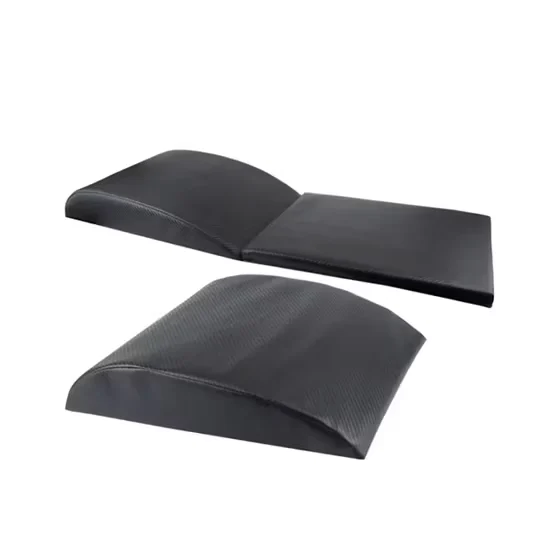
Core Strength Training Sit-up Cushion for Pilates Studio Use

Durable Weightlifting Barbell Clamp Clips for All Sizes

Adjustable Jump Rope for Cross Training and Fitness
