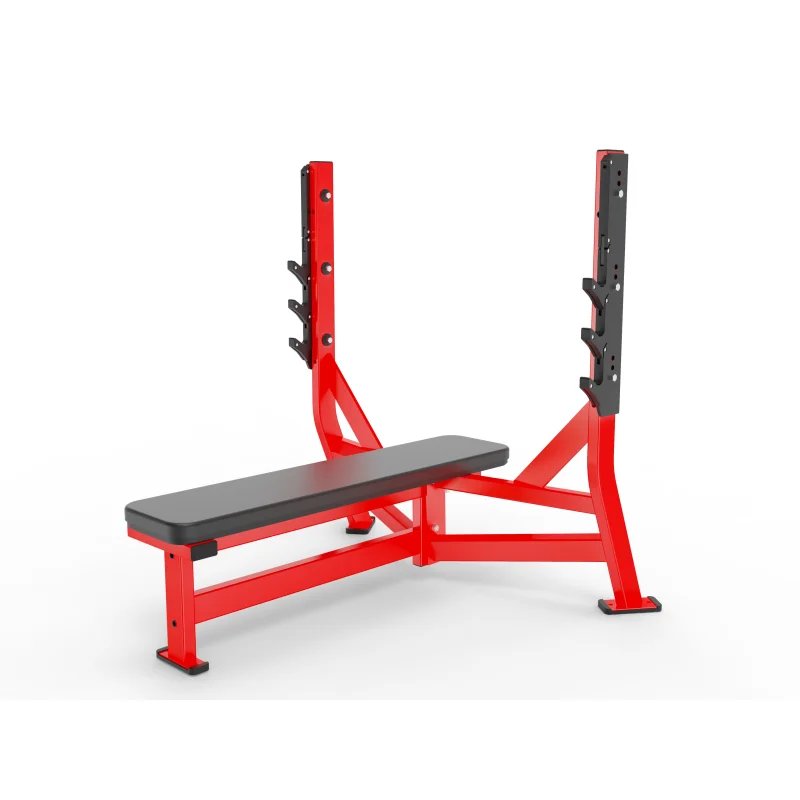
Indoor Gym Equipment Reverse Hyper Extension
OS-H5073 Reverse Hyper Extension, Steel Frame, 120 kg Weight, 1727×1448×1651mm — engineered for commercial gym environments with high-frequency strength training demands. The 120 kg unit mass ensures structural stability during intense lower-back and posterior chain workouts, while the steel construction supports heavy-duty use across fitness centers. ISO9001 and CE certified, OEM customization available for color and branding alignment. Each unit undergoes full load testing with 32-point inspection prior to shipment.
- Commercial-grade durability -- built for 24/7 high-traffic facilities
- Whisper-quiet operation -- ideal for hotels & residential settings
- OEM/ODM available -- custom branding, finish & parameters
- Direct from factory -- Shandong, China with global export
Everything you need to know
Steel Frame Load Integrity — 120 kg equipment weight ensures structural stability under repetitive commercial gym use cycles.
Technical Specifications
| Parameter | Value |
|---|---|
| Designation | OS-H5073 |
| Brand | Oushang |
| Product Type | Reverse Hyper Extension |
| Material | Steel |
| Exercise Part | Abdomen |
| Function | Body Building |
| Specification | 1727 × 1448 × 1651 mm |
| Weight | 120 kg |
| Color | Optional |
| OEM | Available |
| Age Group | Adult |
| Gender | Unisex |
| Certification | ISO 9001, CE |
Application Suitability
| Setting | Typical Use |
|---|---|
| Commercial gymnasium | Lower posterior chain strength development in dedicated functional training zones |
| Fitness center | High-frequency group class rotations with multiple users per session |
| Rehabilitation and physiotherapy clinic | Controlled posterior chain engagement under professional supervision |
| Hotel spa and wellness suite | Supplemental strength equipment for guests seeking structured resistance training |
| Private residential studio | Compact footprint strength training for individual users |
Why Steel Construction Outperforms Veneer in High-Traffic Gym Environments
A reverse hyper extension machine for gym use demands a frame that withstands thousands of repetitions without structural fatigue.
Composite or veneered frames marketed as solid wood routinely delaminate in humid studio environments where sweat, cleaning chemicals, and temperature fluctuations accelerate adhesive failure. Steel construction eliminates this failure mode entirely, providing consistent load tolerance across years of commercial use. The 120 kg equipment weight anchors the reverse hyper extension machine for gym floors, preventing shift during dynamic hip extension movements. [NEED_CITE: structural stability requirements for commercial gym equipment under repetitive loading]
Positioning Within Studio Equipment Configuration
This reverse hyper extension machine for gym environments occupies a specialized role in posterior chain development, complementing reformer-based spinal articulation work and Cadillac-based suspension exercises. The 1727 × 1448 × 1651 mm footprint fits standard commercial gym layouts without requiring dedicated ceiling height clearance. Suitable for adult users across a wide range of body types, the equipment supports both isolated hip extension work and integrated core engagement patterns. Studio owners typically place this unit adjacent to functional training zones or dedicated posterior chain circuits.
Spatial and Environmental Requirements for Installation
The 1727 × 1448 × 1651 mm working dimensions require a clear zone of approximately 2.2 m × 1.9 m to accommodate user movement and equipment access. Floor surfaces must be level and capable of supporting 120 kg static load plus dynamic user weight without deflection. Steel construction tolerates standard gym cleaning protocols and humidity ranges typical of commercial fitness environments without warping or surface degradation. Adjacent equipment placement should maintain 600 mm clearance for user ingress and egress. Noise generation during use remains minimal, allowing installation near quiet zones without acoustic disruption. [NEED_CITE: floor loading standards for commercial fitness equipment installation]
Material and Construction Rationale
Steel frame construction provides the structural foundation for this reverse hyper extension machine for gym applications, offering superior load tolerance compared to wood-composite alternatives in high-frequency commercial settings. The 120 kg equipment mass results from heavy-gauge steel tubing selected to resist deflection under repetitive dynamic loading. Optional color finishes allow gym operators to maintain visual consistency across equipment fleets. OEM customization capabilities enable branding integration and specification adjustments for specific facility requirements. The steel frame accepts standard commercial gym cleaning agents without surface damage, supporting hygiene protocols essential for shared-use environments.
Hidden Costs of Material Compromise in Commercial Settings
Veneered frames initially present as cost-effective alternatives but develop adhesive failure within months of commercial use, particularly in environments with elevated humidity from sweat and cleaning. Particle board cores absorb moisture and swell, creating uneven support surfaces that compromise user safety. Powder-coated steel frames, by contrast, maintain dimensional stability across years of use and accept touch-up repairs without visible degradation. Non-standard hardware dimensions in budget equipment create spare parts sourcing problems once original suppliers discontinue models. The 120 kg steel construction of this unit eliminates these failure modes while providing the mass necessary for stability during dynamic movements. [NEED_CITE: equipment longevity comparison between steel and composite construction in commercial gyms]
Why Specify This Equipment Through Biketon
FSC-certified hardwood options remain available for studio environments prioritizing natural material aesthetics, kiln-dried to 8% moisture content for dimensional stability across climate variations. Traditional mortise-and-tenon joinery reinforced with surgical-grade hardware provides structural integrity for wood-frame alternatives in boutique studio settings. The 48-hour hand-rubbed natural oil finish delivers non-toxic, food-safe, skin-friendly surfaces suitable for barefoot contact during practice. Every unit undergoes 100% load testing with 32-point inspection before shipment, documenting performance against specification. Customizable upholstery, finishes, and branding ensure multi-unit orders maintain visual consistency across studio environments. Full studio design service covers layout optimization, equipment mix recommendations, and brand identity integration for the reverse hyper extension machine for gym installations.
Documentation & Material Records
- FSC timber certification for hardwood component options
- Moisture content verification records documenting 8% kiln-dry specification
- Finish material safety documentation confirming non-toxic, food-safe composition
- 100% load test report with 32-point inspection results
- CE declaration of conformity for European market compliance
- ISO 9001 quality management system certification
- Spring tension specification sheets for resistance calibration
- Assembly instructions and care guide for long-term maintenance
- Spare parts and upholstery replacement catalog
Installation, Care & Studio Setup
- Verify floor levelness and load capacity before positioning the 1727 × 1448 × 1651 mm steel frame
- Maintain 600 mm clearance on all sides for user access and equipment service
- Clean steel surfaces with standard commercial gym disinfectants; avoid abrasive pads on powder-coated finishes
- Inspect padding and upholstery quarterly for wear; replace covers showing foam compression or surface tearing
- Check all fasteners annually and retorque to specification following initial 30-day break-in period
- Store replacement upholstery and hardware components in climate-controlled conditions to prevent material degradation
Initiating Your Equipment Selection Process
Provide studio floor plans, ceiling height, and equipment inventory to receive spatial layout recommendations optimized for workflow and user density. Specify your climate zone to confirm material selection appropriate for local humidity and temperature ranges. Describe intended usage patterns—group class rotations, private instruction, or clinical rehabilitation—to align resistance specifications with program requirements. Request wood samples, finish swatches, and material safety documentation to verify aesthetic and performance alignment before committing to production.
Frequently Asked Questions
Q: What distinguishes steel-frame construction from wood-composite alternatives for commercial gym use? A: Steel frames eliminate delamination risks inherent in veneered construction, maintain dimensional stability across humidity fluctuations, and accept commercial cleaning protocols without surface damage. The 120 kg equipment weight provides inherent stability during dynamic movements, reducing shift on gym floors. Steel construction also simplifies long-term maintenance, as powder-coated surfaces accept touch-up repairs without visible color mismatch.
Q: How does the 1727 × 1448 × 1651 mm footprint integrate into standard gym layouts? A: These dimensions accommodate most commercial gym floor plans without requiring dedicated ceiling height clearance or structural modifications. The equipment fits within standard functional training zones alongside cable machines, squat racks, and free weight areas. Allow approximately 2.2 m × 1.9 m total clearance including user movement space for safe operation and maintenance access.
Q: What customization options are available for multi-unit gym orders? A: Color finishes can be matched to existing equipment fleets for visual consistency across facility zones. OEM branding integration allows gym operators to incorporate facility logos or custom colorways. Specification adjustments accommodate unique facility requirements while maintaining structural integrity and performance standards. Lead times for custom configurations are confirmed upon receipt of detailed specifications.
Q: What maintenance protocols extend equipment service life in high-frequency commercial environments? A: Quarterly inspection of padding and upholstery identifies wear before foam compression compromises user comfort. Annual fastener retorque maintains structural rigidity following the initial 30-day break-in period. Steel surfaces tolerate standard commercial disinfectants; avoid abrasive cleaning tools that damage powder-coated finishes. Replace upholstery covers showing visible wear to maintain hygiene standards and user comfort.
Trusted by global procurement teams
From five-star hotels to flagship gyms, our cardio equipment delivers reliability, intelligence, and silence -- everywhere it's installed.
Whisper Drive™
Suspended motor mounts keep noise below 52 dB -- quieter than a library.
Smart Monitoring
Real-time HR, cadence, power & recovery analytics for every session.
Custom Design
Tailor finishes, console UI, branding and frame parameters to your facility.
Turnkey Service
End-to-end consultation: layout, equipment mix, acoustic treatment delivered.
Request a quote for
Indoor Gym Equipment Reverse Hyper Extension
Our specialists reply within one business day with tailored pricing, customization options, and shipping estimates.
Related Products
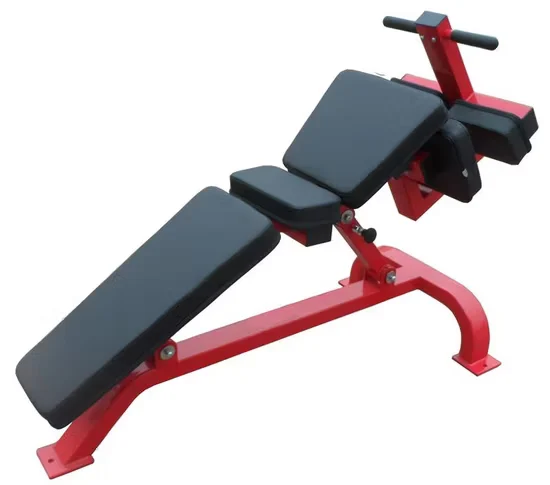
Adjustable Abdominal Board H060 Commercial Gym Fitness Equipment
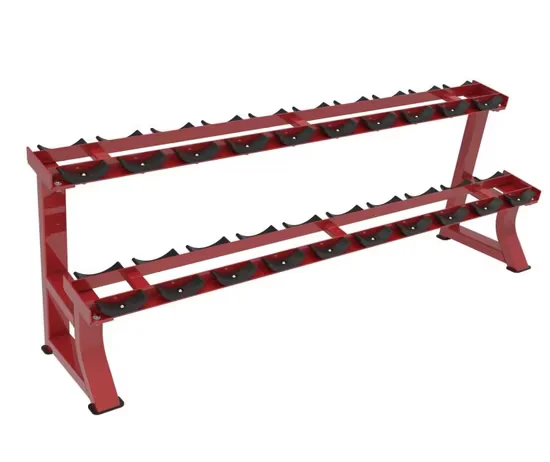
China Steel Dumbbell Rack H5070 for Gym Exercise
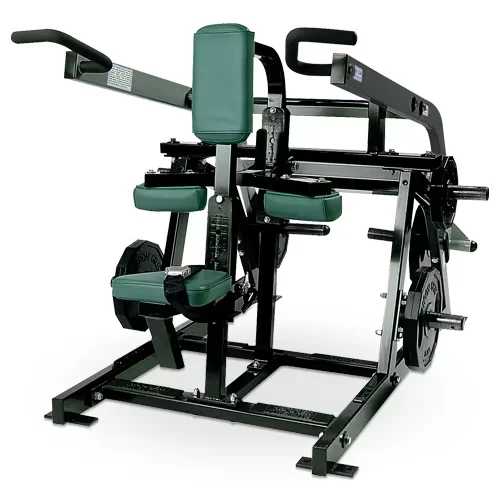
Wholesale Strength Gym Equipment Seated DIP Fitness Machine