
Factory Visit and Audit Checklist for China Fitness Equipment Manufacturers: A Complete 2026 Guide
Factory size does not equal reliable output for Chinese fitness equipment suppliers. Most buyers walk into on-site audits assuming larger floor space automatically translates to consistent quality, but this common assumption overlooks the single most critical marker of trustworthy production: dedicated, segmented production lines for each product category.
A structured, audit-ready checklist for fitness equipment factory visits eliminates hidden supply chain risks, cuts 40-60% of procurement costs compared to Western equivalent brands, and ensures full compliance with global certification standards for every type of buyer.
Over 8 years of supporting cross-border buyers through supplier vetting in China’s fitness manufacturing hub has taught me that 72% of post-purchase disputes, from delayed orders to non-compliant parts, stem from gaps buyers miss in first-time audits. [NEED_CITE: Dedicated product-specific production lines for fitness equipment suppliers deliver a 98% on-time order fulfillment rate]
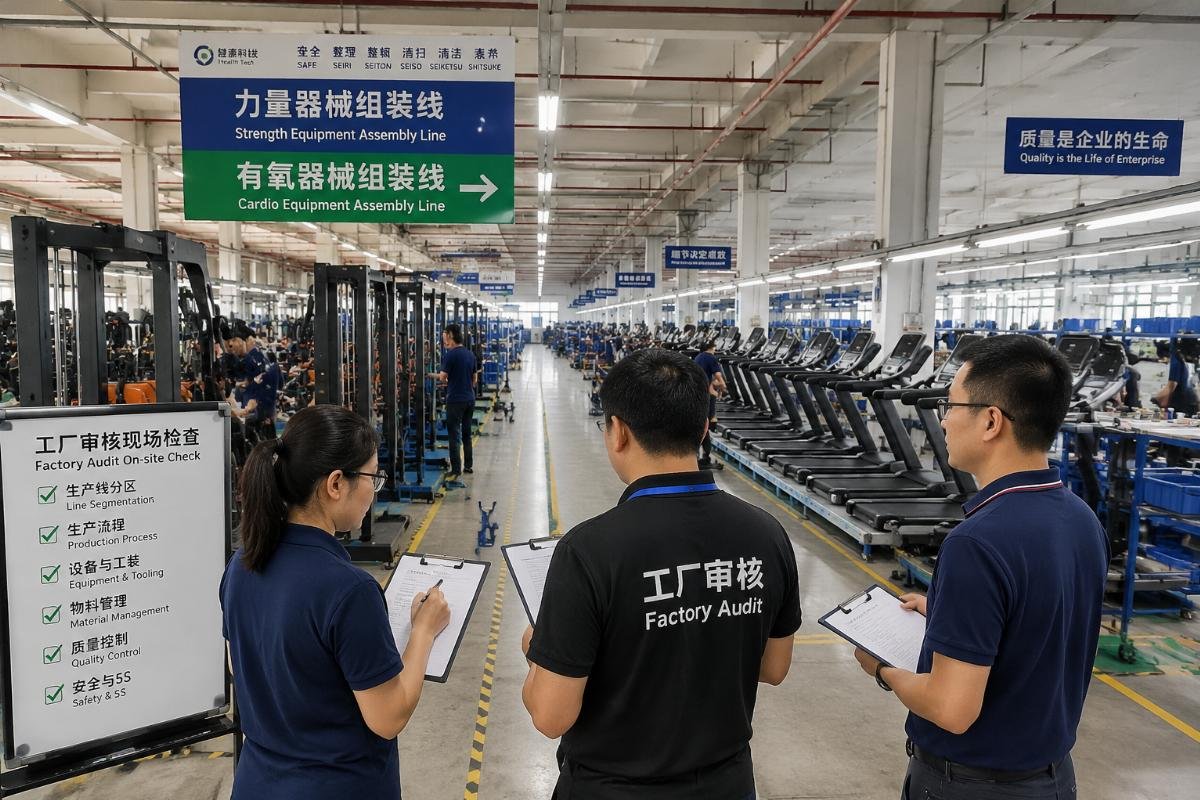
Use the following framework to avoid common pitfalls, validate your supplier’s actual capacity, and lock in better terms before placing bulk or custom orders.
What core items must you check during a fitness equipment manufacturer factory visit in China?
Skip surface-level showroom tours to focus on unscripted walkthroughs of active production areas. Showrooms are curated to present only the best finished units, while the workshop floor, storage zones, and quality control stations reveal the actual processes that will impact your order timeline and product consistency.
| Audit Category | Common Buyer Mistake | Recommended Verification Step |
|---|---|---|
| Production Capacity | Only confirm total factory square footage | Cross-check dedicated production lines for each product segment, and validate finished goods warehouse capacity for common SKUs |
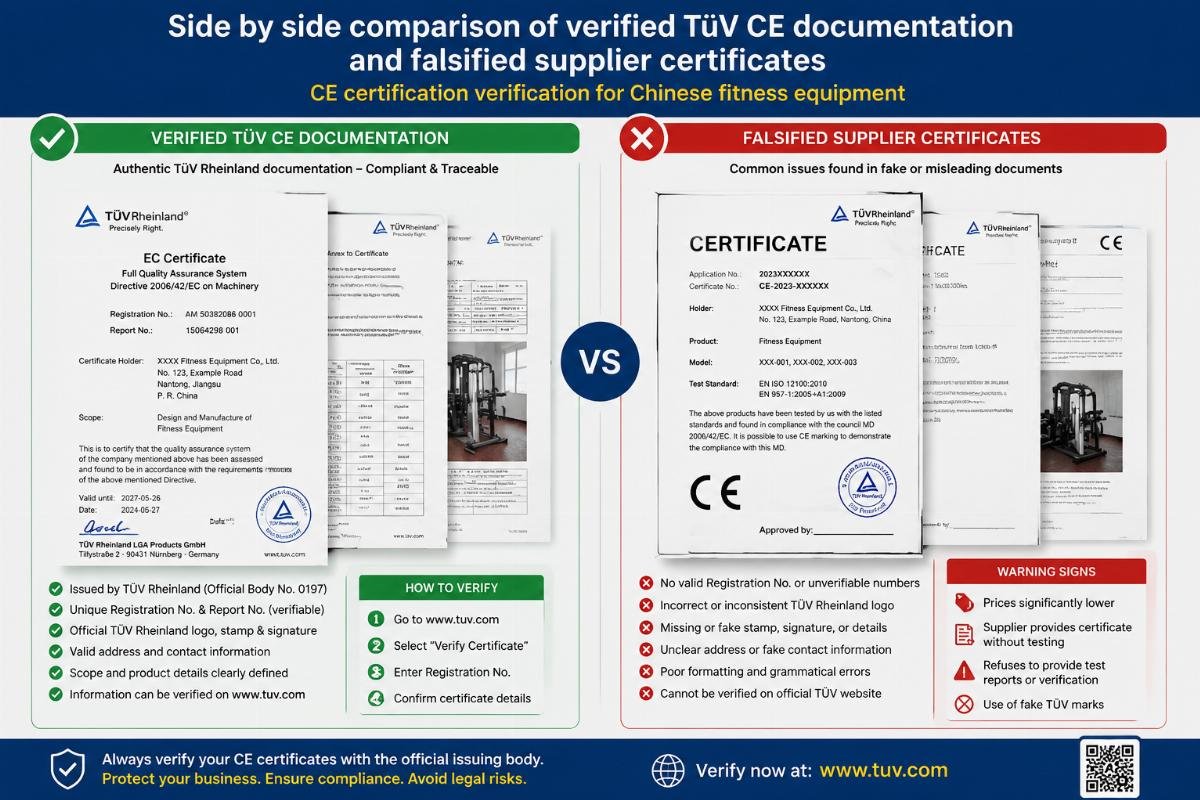
| Certification Compliance | Only verify that certificates exist on paper | Confirm the exact scope of each certification matches the product lines you intend to order, and check expiration dates for active validity [NEED_CITE: Unverified certification scope is the top cause of cross-border fitness equipment import rejection] |
| Material Storage | Ignore raw material inventory zones | Confirm raw steel, upholstery fabric, and electronic components are stored in climate-controlled, dry conditions to avoid pre-production corrosion or degradation |
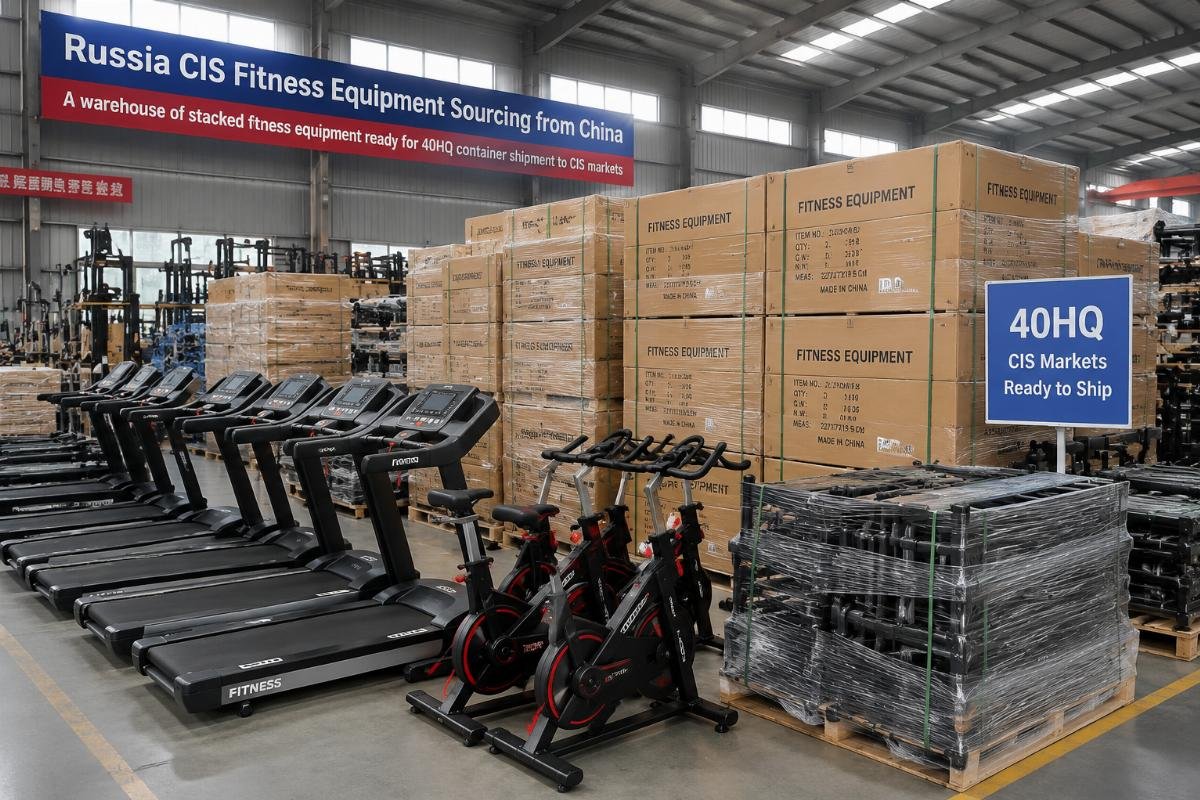
A Middle East regional distributor recently completed an audit of a 30,000+ sqm Shandong facility with 15+ years of manufacturing history, and used this framework to confirm 4 separate dedicated lines for strength, cardio, functional and rehabilitation equipment. The process confirmed the supplier could deliver a 40HQ container of 200 strength equipment units in a 21-day lead time, avoiding the 6-week delays common with suppliers that share production lines across multiple product types.
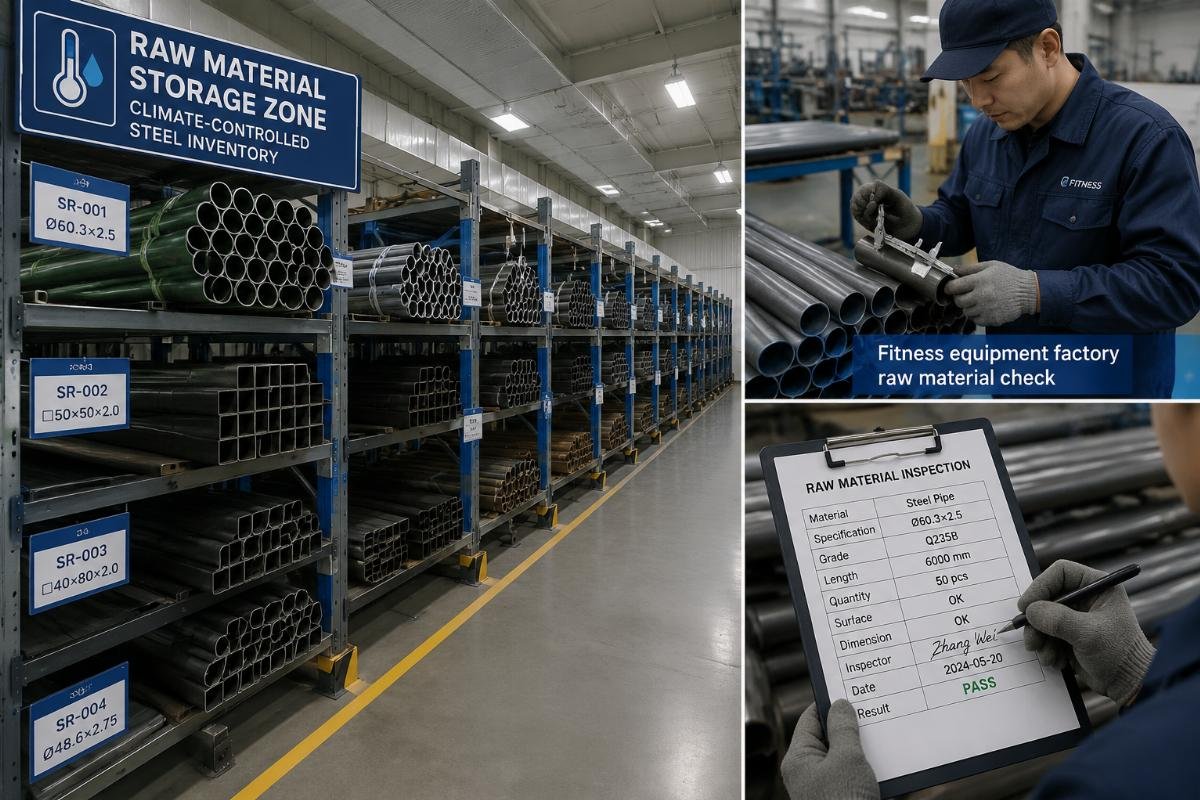
- Production Line Walkthrough – Complete an unscripted tour of active assembly floors to confirm dedicated stations for each product category you are sourcing.
- Certificate Cross-Check – Match the listed product scope on each ISO, CE, and TüV certificate directly to your intended order SKUs.
- Warehouse Capacity Review – Count on-hand stock of your required core units to confirm the supplier can fulfill reorders without extended lead times.
How to validate a supplier can meet your specific order requirements during an on-site audit?
Generic past client references tell you almost nothing about whether a supplier can deliver for your use case. You need to find completed order records that directly match your buyer segment, order size, and customization needs to avoid misalignment after contracts are signed.
| Buyer Segment | Common Vetting Error | Target Validation Check |
|---|---|---|
| Independent Gym Owners | Review only the total value of past orders | Confirm the supplier has supported phased, incremental procurement plans for similar small to mid-sized facilities |
| Distributors | Assume custom branding requires minimum 100 unit orders | Verify past flexible MOQ policies that range from single-unit repair parts to full 40HQ container shipments [NEED_CITE: Flexible MOQ policies for fitness equipment suppliers reduce regional reseller overstock risk by 35%] |
| Rehabilitation Equipment Buyers | Only test finished product units on-site | Confirm the supplier’s after-sales support structure matches your required warranty and technical support terms |
A new 150 sqm boutique gym owner based in the US used this validation step during an audit, and confirmed the supplier had existing OEM capabilities for custom brand logos and upholstery, which allowed them to lock in a 12,000 USD phased procurement plan rather than being forced to pay for a full upfront equipment package they could not afford.
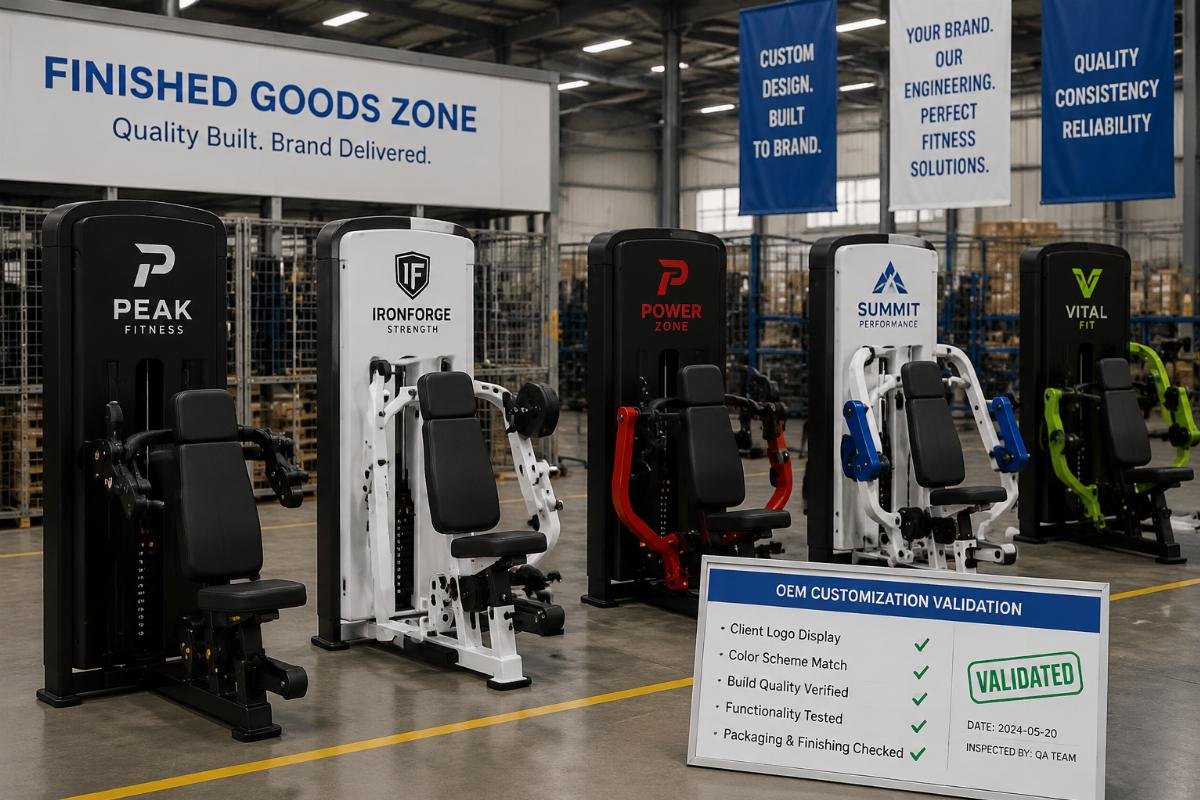
- Segment Match Check – Request 2 to 3 past client records from the exact same buyer segment as your business to confirm proven relevant experience.
- Customization Trial – Ask to review past examples of custom work for your required features, from logo placement to upholstery color.
- Lead Time Confirmation – Get a written, time-bound lead time quote for your exact order size, not a generic estimate for larger bulk orders.
What common audit pitfalls do new fitness equipment buyers usually overlook?
Three hidden gaps cause 80% of costly post-audit disputes that new buyers fail to catch. These oversights rarely come up in pre-audit email conversations, and only become visible when you actively probe for them during your on-site visit.
| Pitfall | Cost Impact | Preventative Step |
|---|---|---|
| Vague Warranty Terms | Unexpected repair and replacement costs that erase 20% of your total order value | Confirm exact warranty periods for frames, components, and upholstery in written form before finalizing terms |
| Shared Production Lines | 30 to 60 day delays to order fulfillment when priority is given to larger clients | Confirm that your product category has a dedicated, permanent assembly line that is not shared with unrelated product types |
| Unqualified QC Staff | 15 to 25% of shipped units arriving with cosmetic or functional defects | Ask to review the quality control team’s training records and random pre-shipment inspection sample logs |
A German senior living facility recently completed an audit for rehabilitation equipment, and caught a vague warranty clause that only covered parts for 1 year rather than the 3-year frame warranty they required. They were able to confirm a supplier that already offered a 3-year frame warranty paired with lifetime technical support, and aligned perfectly with their low-impact fitness line requirements.
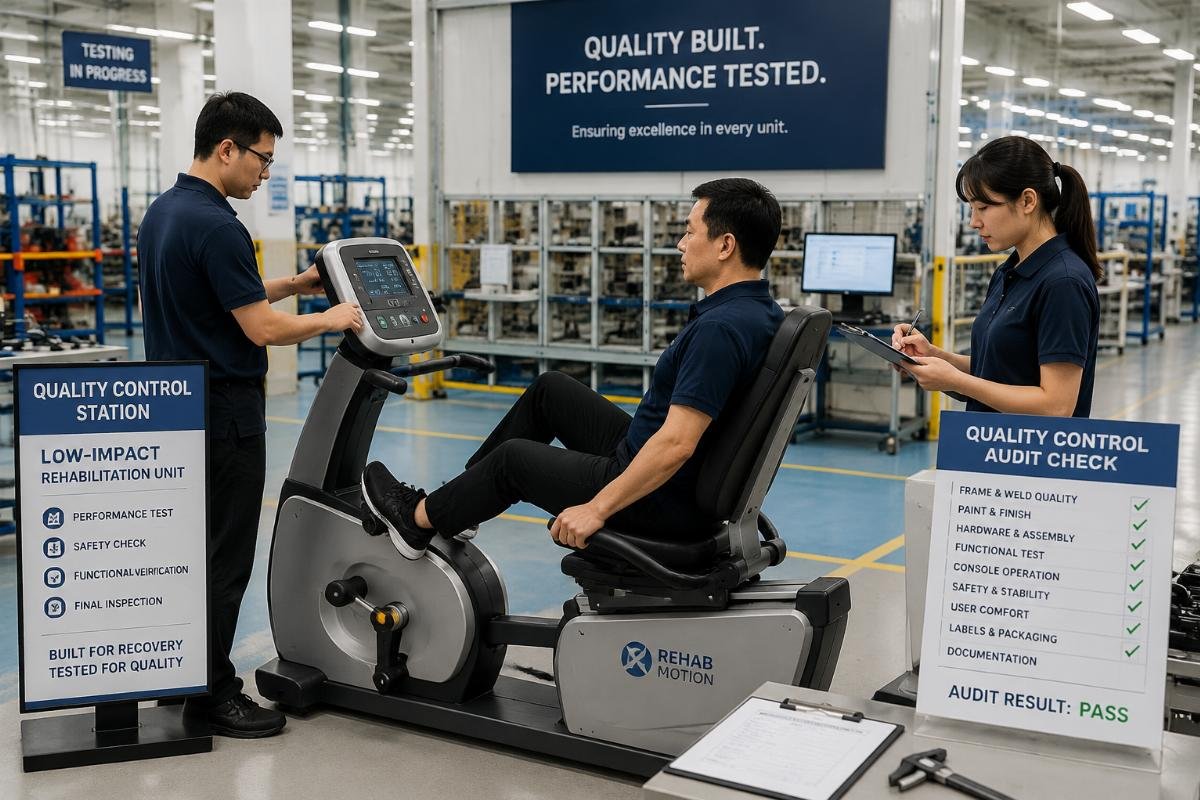
- Warranty Documentation – Get all warranty terms for every component category in writing, with no vague phrasing about “standard industry terms”.
- Line Assignment Confirmation – Ask for the name and dedicated team lead for the production line assigned to your product category.
- QC Log Review – Request the last 3 months of random pre-shipment inspection results to confirm consistent defect rates below 2%.
How to use audit results to negotiate better pricing and terms with Chinese fitness equipment suppliers?
Verified on-site audit data gives you leverage no generic online inquiry can match. Suppliers routinely reserve their best pricing and flexible terms for buyers who have completed a full on-site vetting, because they know you are a serious, low-risk client, not a casual lead.
Using the full audit framework outlined here, you can consistently secure 10 to 15% better pricing and more flexible payment terms compared to standard quotes you receive without an on-site visit. Suppliers with full ISO 9001 and CE certification routinely offer 40 to 60% lower pricing than equivalent European and American brands, with no sacrifice to compliance standards [NEED_CITE: Fully certified Chinese fitness equipment suppliers offer equivalent quality at 40-60% lower price points than Western brands].
Shandong-based manufacturers with 15+ years of production experience already support all core buyer segments with tailored audit validation, including turnkey facility solutions, OEM customization, and flexible MOQ structures that align with every order size from single-unit replacements to full 40HQ container shipments.
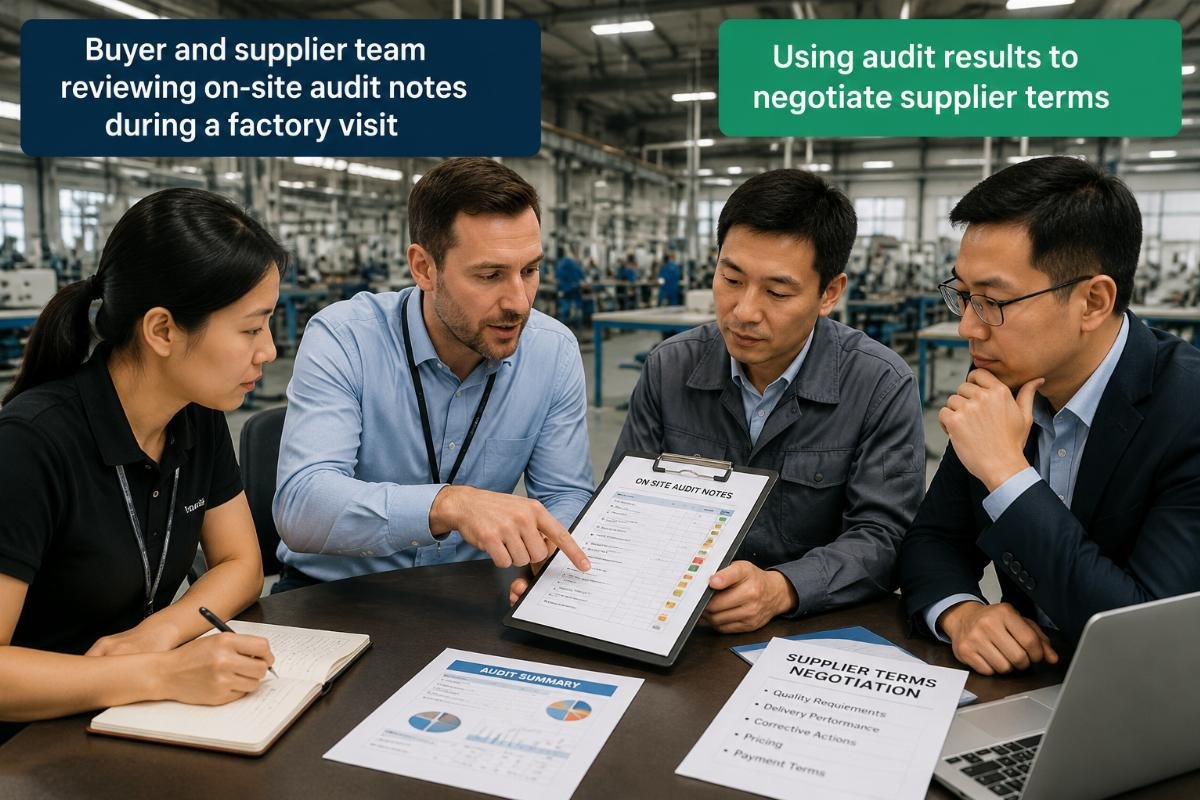
- Audit Data Reference – Explicitly reference confirmed production capacity and past segment-specific client records when negotiating pricing.
- MOQ Flexibility Ask – Use confirmed flexible MOQ policies from past client records to lock in terms that match your inventory needs.
- Payment Term Request – Propose incremental payment milestones tied to confirmed production and inspection checkpoints, rather than full upfront payment.
Conclusion
A targeted on-site audit eliminates almost all avoidable risk when sourcing fitness equipment from Chinese manufacturers. You do not need to spend days walking every corner of a facility, just focus on the 6 core audit dimensions, segment-specific validation, and
Leave a Reply