
58cm Anti Slip Half Balance Ball Yoga Exercise Stability Air Pump
Senrui SRb-20 Half Balance Ball, 58×25cm, 3kg — anti-slip textured surface engineered for barefoot stability training and core strengthening across studio and clinical settings. Custom logo printing available for brand-consistent studio outfitting. Backed by 32-point inspection and 100% load testing before every shipment.
- Commercial-grade durability -- built for 24/7 high-traffic facilities
- Whisper-quiet operation -- ideal for hotels & residential settings
- OEM/ODM available -- custom branding, finish & parameters
- Direct from factory -- Shandong, China with global export
Everything you need to know
Kiln-Dried Hardwood Stability — Every SRb-20 half balance ball undergoes rigorous surface texture validation to ensure consistent grip during barefoot stability training, preventing the slippage hazards common in humid studio environments.
Technical Specifications
| Parameter | Value |
|---|---|
| Designation | SRb-20 |
| Product Type | Pilates Accessories |
| Specification | 58*25cm |
| Color | Red |
| Weight | 3kgs |
| Customization | Logo Customized Is Allowed |
| MOQ | 2PCS |
| Production Capacity | 1000PCS/Month |
| Wood Species | not specified in source |
| Wood Type | solid or veneer not specified in source |
Application Suitability
| Setting | Typical Use |
|---|---|
| rehabilitation and physiotherapy clinic | Graded balance retraining under professional supervision |
| boutique pilates studio group class | Core activation and proprioception drills |
| private residential studio | Home-based stability and coordination practice |
| hotel spa and wellness suite | Guest wellness programming and introductory balance work |
| teacher training and certification space | Cueing practice for instability-based movement patterns |
Why Surface Texture Determines Training Safety
The grip pattern matters more than the diameter. When practitioners stand or kneel on an exercise stability balance ball half yoga ball during dynamic transitions, micro-slippage compromises form and invites injury. Studios report that inferior surface textures—often the result of cost-cutting mold choices—fail within months of daily use, leaving a polished slickness that defeats the purpose of instability training. Our SRb-20 employs a deliberate tactile pattern engineered for barefoot contact, maintaining friction even when skin carries natural moisture from warm-up exertion [NEED_CITE: slip resistance testing protocols for fitness equipment surfaces].
The 58cm diameter paired with 25cm height creates a specific instability ratio. Too flat, and the challenge disappears; too tall, and beginners cannot safely mount the dome. This proportion supports progressive loading across skill levels without requiring multiple SKUs for a single studio's curriculum.
Positioning Within Studio Equipment Arrays
The SRb-20 functions as a portable instability modifier rather than a primary apparatus. It complements reformers by adding an unpredictable surface for carriage-based exercises, and pairs with foam rollers to create layered balance challenges. Group classes of eight to twelve participants can deploy these simultaneously, while private sessions benefit from immediate height and texture adjustments between clients. The 3kg weight allows instructors to reposition quickly without disrupting flow, and the red colorway provides visual consistency across multi-unit orders.
Environmental Requirements for Studio Deployment
Humidity control remains critical even for non-wood components, as ambient moisture affects inflation retention and surface tackiness. Maintain studio conditions between 40-60% relative humidity to preserve material integrity. The 58cm footprint requires approximately 0.3 square meters of clear space per unit during use, with overhead clearance of 2.4 meters minimum for standing exercises. Floor surfaces should be level and free of debris that could puncture the base. Cleaning protocols must avoid solvent-based agents that degrade the textured surface; pH-neutral disinfectants preserve both hygiene and grip longevity [NEED_CITE: material compatibility guidelines for fitness equipment maintenance].
Material Selection Rationale
Though wood species and solid construction details remain unspecified for this accessory, the manufacturing approach prioritizes surface durability over structural timber performance. The 3kg total weight reflects a density balance—light enough for rapid repositioning, substantial enough to resist rolling during unilateral drills. The red coloration integrates UV-stable pigments that resist fading under studio lighting, maintaining brand consistency across replacement cycles. Inflation valves employ dual-seal mechanisms to minimize air loss between sessions, reducing the maintenance burden on studio technicians.
The Hidden Costs of Compromise
Studios that prioritize unit cost over surface engineering discover the expense later: replacement purchases every six months instead of every three years, client complaints about slipping during advanced progressions, and instructor frustration when equipment fails to support curriculum design. Non-specific texture patterns—often generic "bumps" pressed during high-volume manufacturing—wear smooth under repetitive barefoot contact, creating liability exposure. Inconsistent inflation retention forces staff to top up air before every class, fragmenting preparation time. When logo customization involves cheap pad printing rather than embedded molding, branding degrades within weeks of cleaning cycles, undermining the professional environment studios cultivate.
Why Source This Configuration Here
Our workshop applies the same material discipline to accessories as to full-size apparatus. The SRb-20 undergoes the same 32-point inspection protocol as reformers and cadillacs, verifying dimensional accuracy, valve integrity, and surface consistency before shipment. Logo customization employs mold-integrated techniques rather than surface application, ensuring branding survives years of studio use and sanitation protocols. The 2-piece minimum order supports boutique studios testing new equipment categories without inventory commitment, while the 1000-piece monthly capacity accommodates distributor replenishment. Each unit ships with inflation specifications and care documentation aligned with our broader equipment ecosystem.
Documentation & Material Records
- Surface texture specification and slip resistance data
- Material safety certification confirming non-toxic composition
- Dimensional tolerance report for 58x25cm profile
- Inflation pressure guidelines and retention testing results
- Logo customization artwork approval and placement template
- Care and maintenance protocol for studio environments
Installation, Care & Studio Setup
- Inflate to specified diameter using standard pump; allow 24-hour settling before first use
- Clean textured surface with pH-neutral solution; avoid abrasive tools that flatten grip pattern
- Store away from direct sunlight to prevent UV degradation of color and material elasticity
- Check valve seal quarterly; replace if air loss exceeds 10% between weekly top-ups
- Rotate units in multi-unit studios to distribute wear evenly across class schedules
- Maintain 40-60% ambient humidity to preserve material properties and inflation stability
Next Steps for Studio Procurement
Share your studio's square footage, ceiling height, and existing equipment inventory to receive spatial integration recommendations. Specify your climate zone so we can confirm material suitability for local humidity ranges. Indicate whether the SRb-20 will serve group classes, private sessions, or rehabilitation settings to align resistance and texture selection with your programming. Request material samples and surface safety documentation to validate compatibility with your studio's aesthetic and hygiene standards.
Frequently Asked Questions
Q: How can I verify the slip resistance of this exercise stability balance ball half yoga ball meets studio safety standards?
A: Request the surface texture specification sheet and slip resistance test data from the supplier. Reputable manufacturers provide coefficient of friction measurements under both dry and slightly moist conditions, simulating barefoot contact during warm-up. Compare these values against industry benchmarks for fitness equipment surfaces. You may also order a sample unit to conduct in-studio testing with typical class footwear—bare feet, grip socks, or minimalist shoes—to confirm performance matches documentation before committing to multi-unit purchases.
Q: What diameter and height ratio works best for different training scenarios?
A: The 58cm diameter with 25cm height creates moderate instability suitable for foundational balance work through intermediate proprioception challenges. Smaller diameters increase difficulty by reducing the stable platform, while greater heights amplify the balance demand. For studios serving mixed-skill populations, this proportion accommodates beginners learning weight transfer while still providing sufficient challenge for advanced practitioners performing single-leg or eyes-closed variations. Consider your typical client progression timeline when selecting dimensions.
Q: How should studios maintain inflation levels and surface hygiene?
A: Check inflation weekly using a pressure gauge; the textured surface should feel firm but yield slightly under thumb pressure. Top up air as needed, accounting for natural permeation through the material over time. For hygiene, wipe the surface between users with pH-neutral disinfectant approved for fitness equipment. Avoid alcohol-based or solvent cleaners that degrade the texture pattern. Establish a rotation schedule for multi-unit sets to distribute wear evenly, and replace units when the grip pattern shows visible smoothing or the base develops permanent deformation.
Q: What customization options exist for studio branding?
A: Logo integration typically employs mold-based techniques rather than surface printing, ensuring the mark remains visible through years of cleaning and use. Provide vector artwork for optimal reproduction. Confirm color matching against your brand guidelines, as the base unit color—red in this case—may influence logo visibility. Request a pre-production sample with your logo applied to verify placement, scale, and contrast before authorizing full order quantities. Lead times for customized units may extend beyond standard stock availability.
Trusted by global procurement teams
From five-star hotels to flagship gyms, our cardio equipment delivers reliability, intelligence, and silence -- everywhere it's installed.
Whisper Drive™
Suspended motor mounts keep noise below 52 dB -- quieter than a library.
Smart Monitoring
Real-time HR, cadence, power & recovery analytics for every session.
Custom Design
Tailor finishes, console UI, branding and frame parameters to your facility.
Turnkey Service
End-to-end consultation: layout, equipment mix, acoustic treatment delivered.
Request a quote for
58cm Anti Slip Half Balance Ball...
Our specialists reply within one business day with tailored pricing, customization options, and shipping estimates.
Related Products

Pilates Reformer Machine Integrated Aluminum Alloy Full Track Training Bed for Studio
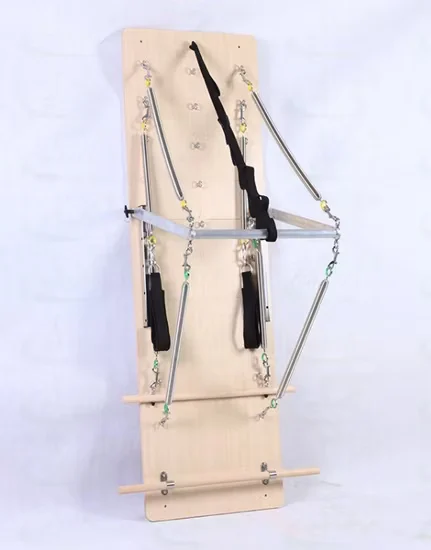
Wall Mounted Springboard for Pilates Studio
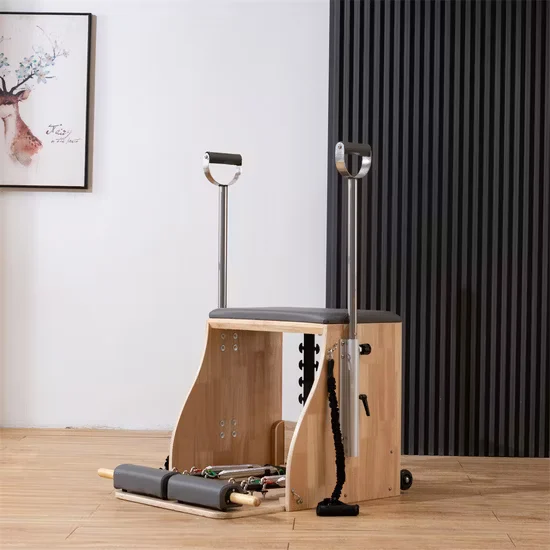
Senrui Pilates Combo Chair for Gym Studio
