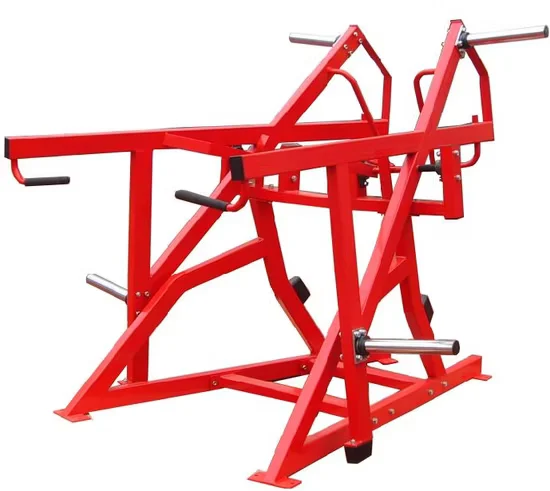
Commercial Back Extension Machine for Gym and Club Use
HuiYang Back Extension Machine 5054, Steel Frame, 42kg, 1552×771×876mm — manual resistance design for controlled progressive loading, with customizable frame and cushion colors to match studio branding. ISO9001 and CE certified, suitable for professional gym, club, and supervised rehabilitation environments. Every unit undergoes full load testing with 32-point inspection before shipment.
- Commercial-grade durability -- built for 24/7 high-traffic facilities
- Whisper-quiet operation -- ideal for hotels & residential settings
- OEM/ODM available -- custom branding, finish & parameters
- Direct from factory -- Shandong, China with global export
Everything you need to know
Steel Frame Integrity — Load-tested for repeated high-frequency studio use.
Technical Specifications
| Parameter | Value |
|---|---|
| Designation | 5054 |
| Brand | HuiYang |
| Product Type | Back Extension Machine |
| Main Frame Material | Steel |
| Exercise Part | Back |
| Equipment Type | Integrated Gym Trainer |
| Working Size | 1552 × 771 × 876 mm |
| Net Weight | 42 kg |
| Resistance Type | Manual |
| Foldable | Yes |
| Frame Color | Customizable per customer requirements |
| Cushion Color | Customizable per customer requirements |
| OEM / ODM | Acceptable |
| Certification | ISO 9001, CE |
| Wood Species | not specified in source |
| Wood Type | solid or veneer not specified in source |
Application Suitability
| Setting | Typical Use |
|---|---|
| Professional gym and health club | Supervised back conditioning and progressive loading circuits |
| Rehabilitation and physiotherapy clinic | Graded resistance work under professional supervision |
| Boutique strength and conditioning studio | Supplemental posterior chain training alongside reformer-based programming |
| Community fitness center | General-purpose back extension for adult members |
Why Thin-Gauge Frames Fail Before the First Year
A back extension machine for gym environments must resist flex under repeated loading — not just survive a static weight test.
Many commercial units rely on thin-wall steel tubing and spot welding that gradually loosens under daily use. The result is micro-movement at pivot points, cushion shifting, and a noticeable wobble that undermines both user confidence and the quiet stability a studio depends on. When a back extension machine for gym or clinic use flexes during a set, the practitioner compensates with momentum rather than controlled muscle engagement — defeating the purpose of the exercise entirely [NEED_CITE: structural rigidity standards for commercial strength equipment].
Positioning Within a Studio Equipment Lineup
This back extension machine for gym use serves as a dedicated posterior chain station, complementing reformer-based core work and mat-based mobility sessions. The manual resistance design allows practitioners to control loading tempo without motorized complexity, making it suitable for both one-on-one coaching and small-group circuits. The fixed footprint of 1552 × 771 × 876 mm fits standard studio floor plans without requiring dedicated ceiling height clearance. The 42 kg frame weight provides inherent stability during use while remaining manageable for repositioning during studio layout changes.
Spatial and Environmental Requirements for Studio Placement
The 1552 × 771 × 876 mm footprint requires a clear operating zone of approximately 2.0 × 1.5 m to accommodate user entry and exit. Floor surfaces must be level and capable of supporting concentrated point loads from the steel frame feet — uneven flooring introduces frame rock that compromises exercise form. Ambient humidity should remain within 40–60% RH to prevent cushion material degradation and steel surface condensation in climate-variable regions. Cleaning protocols must account for high-touch steel surfaces and cushion upholstery that contacts skin directly during prone positioning [NEED_CITE: hygiene maintenance standards for shared fitness equipment upholstery].
Steel Frame Construction and Load-Bearing Principles
The main frame uses steel tubing selected for structural rigidity under repeated manual loading. Unlike timber-frame equipment where material properties vary by species and moisture history, steel provides consistent load tolerance across climate zones — eliminating the dimensional instability concerns that plague solid hardwood equipment in humid studio environments. The manual resistance mechanism relies on body weight and lever geometry rather than spring stacks or pneumatic cylinders, reducing maintenance variables over the equipment's service life. Cushion upholstery must balance density for support during prone positioning with surface compliance that prevents pressure points during extended sets. Frame and cushion color customization allows multi-unit orders to maintain visual consistency across a studio floor.
The Hidden Cost of Material Shortcuts in Back Extension Equipment
When manufacturers substitute thin-gauge steel or reduce wall thickness to cut weight and cost, the frame develops perceptible flex within months of daily use — particularly at welded joints connecting the pivot axis to the base. Cushion foam that lacks adequate density compresses permanently under repeated prone loading, creating uneven support that forces users to adjust positioning mid-set. Upholstery vinyl not rated for frequent disinfectant cleaning cracks along stitch lines, exposing foam to sweat absorption and bacterial growth. Non-standardized hardware means replacement parts become unavailable once a production batch is discontinued, forcing full-unit replacement rather than component repair [NEED_CITE: component availability standards for commercial fitness equipment lifecycle].
Why Studio Owners Specify Customization Through Our Workshop
Every back extension machine for gym environments leaving our facility undergoes the same 100% load testing protocol and 32-point inspection applied to our Pilates equipment — ensuring structural integrity before shipment. Frame and cushion colors are matched to your studio palette, with batch consistency guaranteed across multi-unit orders so replacement units blend seamlessly years later. The steel frame construction eliminates moisture-related concerns that affect timber equipment, making this unit suitable for humid climate studios where kiln-dried hardwood requires ongoing environmental monitoring. Our studio design team reviews your floor plan to confirm the 1552 × 771 × 876 mm footprint integrates with adjacent equipment clearances and traffic flow. Customization requests — including frame color, cushion color, and branding placement — are confirmed with material samples before production begins.
Documentation & Material Records
- Steel grade and wall-thickness specification for main frame tubing
- 100% load test report with maximum user weight rating confirmation
- 32-point pre-shipment inspection record covering weld integrity and finish
- Cushion foam density and upholstery material safety documentation
- CE declaration of conformity and ISO 9001 quality management certification
- Assembly guide with torque specifications and spare parts ordering list
Installation, Care & Studio Setup
- Confirm floor levelness within 3 mm across the 1552 × 771 mm base footprint before positioning
- Clean steel frame with non-abrasive detergent; avoid chlorine-based cleaners that accelerate surface oxidation
- Wipe cushion upholstery after each session with pH-neutral disinfectant rated for vinyl and synthetic leather
- Inspect pivot bolts and adjustment mechanisms quarterly; retorque to specification if movement is detected
- Request replacement cushion covers when stitching shows fraying — do not attempt field repair with adhesive patches
Specifying the Right Configuration for Your Studio
Provide your studio floor plan dimensions and ceiling height so we can confirm this back extension machine for gym use integrates with your existing equipment layout and traffic flow. Specify your climate zone and average humidity range — while steel frames eliminate timber moisture concerns, cushion materials perform differently in tropical versus arid environments. Indicate whether the unit will serve supervised clinical settings, group fitness circuits, or open gym access — this determines upholstery grade and cleaning protocol recommendations. Request frame and cushion color samples to verify alignment with your studio interior palette before production begins.
Frequently Asked Questions
Q: What steel grade and frame thickness is used, and how does it affect long-term stability? A: The main frame uses commercial-grade steel tubing selected for rigidity under repeated manual loading. Wall thickness and joint welding specifications are documented in the pre-shipment inspection report. Thicker gauge steel resists flex at pivot points over years of daily use, maintaining the stable platform that controlled back extension exercises require.
Q: Can the frame and cushion colors be matched to an existing studio interior? A: Both frame finish and cushion upholstery colors are customizable per your requirements. Multi-unit orders receive batch color consistency guarantees so additional units match existing equipment years later. Material samples are available for approval before production to confirm visual alignment with your studio palette.
Q: What is the maximum user weight, and has the unit been load-tested? A: Every unit undergoes 100% load testing against its rated maximum user weight before shipment, documented in the 32-point inspection report. The 42 kg steel frame provides inherent stability during use. Specific weight ratings and test protocols are provided in the technical documentation package upon request.
Q: How should the upholstery be cleaned and maintained in a high-traffic studio environment? A: Wipe cushion surfaces after each session using pH-neutral disinfectant compatible with vinyl and synthetic leather. Avoid chlorine-based or abrasive cleaners that degrade upholstery over time. Inspect stitching quarterly for fraying; replacement covers are available through our spare parts program to maintain hygiene standards without full-unit downtime.
Q: Is this unit suitable for rehabilitation settings under professional supervision? A: The manual resistance design allows controlled, progressive loading appropriate for graded conditioning work in physiotherapy and rehabilitation clinics. The fixed steel frame provides stable support during supervised exercises. Equipment selection for specific clinical protocols should be determined by qualified practitioners based on individual patient assessment.
Trusted by global procurement teams
From five-star hotels to flagship gyms, our cardio equipment delivers reliability, intelligence, and silence -- everywhere it's installed.
Whisper Drive™
Suspended motor mounts keep noise below 52 dB -- quieter than a library.
Smart Monitoring
Real-time HR, cadence, power & recovery analytics for every session.
Custom Design
Tailor finishes, console UI, branding and frame parameters to your facility.
Turnkey Service
End-to-end consultation: layout, equipment mix, acoustic treatment delivered.
Request a quote for
Commercial Back Extension Machine for Gym...
Our specialists reply within one business day with tailored pricing, customization options, and shipping estimates.
Related Products

Shandong Fitness Commercial Gym Equipment Shoulder Raise

2019 Hammer Strength Deluxe Weight Tree 55
2019 Hammer Strength 4-Way Neck 21 for Commercial Gyms