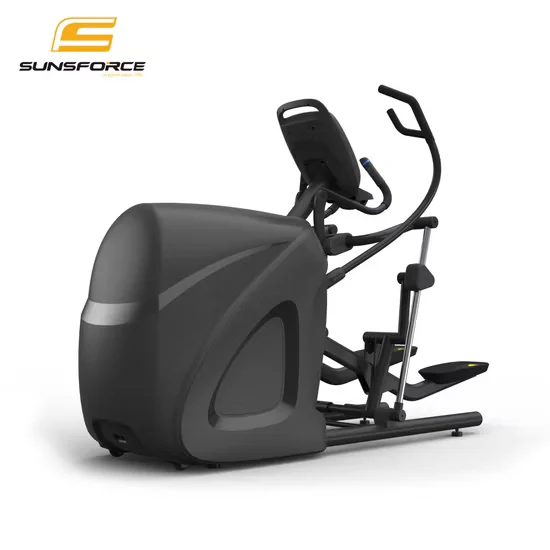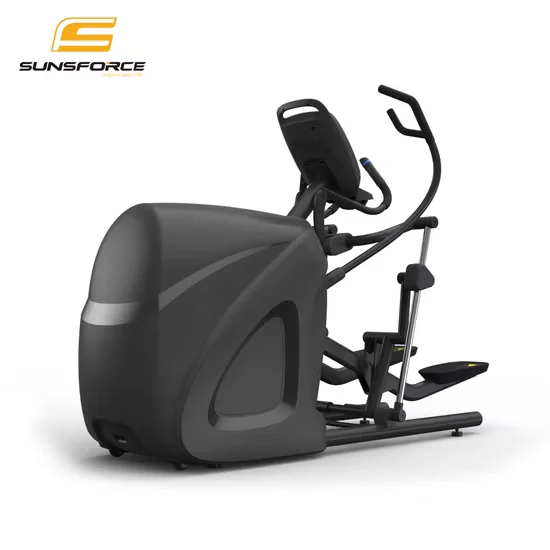
Commerical Fitness Home Sports Machine Magnetic Dynamic Indoor Cross Trainer Elliptical Bike
CTC60-T Commercial Magnetic Elliptical Cross Trainer, 10.1" Touch Screen, 25-Level Resistance — engineered with magnetic resistance for friction-free operation and 1-10 stride / 1-15 step depth adjustability to support rehabilitation through high-intensity cardio. The 240kg net weight and 180kg max user capacity ensure structural stability under continuous commercial use. Every unit undergoes rigorous load validation before dispatch to guarantee long-term reliability in high-traffic facilities.
- Commercial-grade durability -- built for 24/7 high-traffic facilities
- Whisper-quiet operation -- ideal for hotels & residential settings
- OEM/ODM available -- custom branding, finish & parameters
- Direct from factory -- Shandong, China with global export
Everything you need to know
Precision-Engineered Magnetic Resistance — The CTC60-T delivers 25 levels of smooth, friction-free magnetic resistance calibrated for consistent performance across thousands of commercial workout sessions.
Technical Specifications
| Parameter | Value |
|---|---|
| Designation | CTC60-T |
| Product Type | Elliptical Cross Trainer |
| Console Type | 10.1" Touch Screen |
| Resistance Level | 1-25 |
| Stride Grade | 1-10 |
| Step Depth Grade | 1-15 |
| Pedal Center Distance | 230mm |
| Net Weight | 240kg |
| Max User Weight | 180kg |
| Specification | 2120×790×1680mm |
| Wood Species | not specified in source |
| Wood Type | solid or veneer not specified in source |
| Certification | ISO, RoHS, CE, En957 |
| Brand | Anyfit / Sunsforce / OEM / ODM |
Application Suitability
| Setting | Typical Use |
|---|---|
| Commercial fitness centers | High-traffic cardio zone equipment for diverse member profiles |
| Home gyms | Premium low-impact aerobic training for residential users |
| Indoor sports training facilities | Cross-training and conditioning for athletic performance |
| Rehabilitation and physiotherapy clinic | Graded resistance work under professional supervision |
| Boutique pilates studio | Complementary cardio option alongside reformer-based programming |
Why Frame Stability Defines Long-Term Equipment Value
A commercial indoor elliptical cross trainer must withstand continuous daily use without structural compromise or resistance drift. The 240kg net weight and 180kg max user weight capacity establish a foundation for stability under demanding conditions.
In high-frequency studio environments, equipment frames experience repetitive stress cycles that expose material weaknesses. Inferior construction leads to wobble, noise, and eventual failure — disrupting workout consistency and increasing replacement costs. The CTC60-T addresses these concerns through engineered mass distribution and load-rated components designed for commercial-grade durability [NEED_CITE: commercial fitness equipment load testing standards].
Positioning Within Studio Cardio Configuration
The CTC60-T serves as a primary aerobic training station suitable for users across a wide fitness spectrum. Its 25-level magnetic resistance system accommodates both rehabilitation-grade low-intensity movement and high-output cardiovascular conditioning. The adjustable stride (1-10 grades) and step depth (1-15 grades) allow individualized biomechanical positioning, supporting users of varying heights and mobility levels.
Within a studio equipment mix, this commercial indoor elliptical cross trainer complements reformer-based strength work by providing active recovery options and cardiovascular conditioning without joint impact. The 10.1-inch touch screen console supports multiple user profiles and programmed workout modes, facilitating efficient class transitions and personalized training tracking.
Environmental and Spatial Requirements
The CTC60-T requires a floor footprint of 2120×790mm with 1680mm vertical clearance — dimensions that accommodate full range of motion while fitting standard commercial ceiling heights. Floor loading capacity should support 240kg distributed weight plus dynamic forces during operation.
Temperature and humidity control within the installation space affects console electronics and moving component longevity. The touch screen interface and magnetic resistance mechanism benefit from stable environmental conditions to maintain calibration accuracy. Cleaning protocols should avoid excessive moisture near electronic components while ensuring hygiene standards for shared equipment use [NEED_CITE: commercial fitness equipment environmental operating specifications].
Magnetic Resistance System Engineering
The 1-25 level magnetic resistance system operates without physical contact between resistance components, eliminating friction-based wear that characterizes brake-pad systems. This design principle ensures consistent resistance feel throughout the equipment service life, with no degradation from pad thinning or surface contamination.
Magnetic resistance provides smooth, incremental adjustment across all 25 levels, allowing precise load matching to individual capacity and training objectives. The absence of mechanical contact also reduces operational noise — a critical factor in studio environments where equipment sound affects user experience and instructor communication.
The pedal center distance of 230mm maintains natural hip and knee alignment during elliptical motion, while the independently adjustable stride and step depth accommodate anthropometric variation across user populations [NEED_CITE: ergonomic design principles for elliptical motion equipment].
Hidden Costs of Resistance System Compromise
Equipment utilizing friction-based resistance systems experience progressive performance degradation as brake pads wear, requiring periodic replacement and adjustment. This maintenance burden increases operational costs and creates inconsistency between units in multi-equipment installations.
Magnetic systems eliminate these variables but demand quality control in motor calibration and electronic component selection. Inferior magnetic resistance implementations may exhibit uneven torque delivery or electronic failure under continuous commercial use, negating the theoretical maintenance advantages.
The CTC60-T's 25-level system with dedicated motor control addresses these concerns through components rated for high-duty-cycle operation, though long-term reliability depends on proper environmental conditions and adherence to maintenance protocols [NEED_CITE: magnetic resistance motor duty cycle specifications for commercial fitness equipment].
Customization and Studio Integration
The CTC60-T supports OEM and ODM branding configurations, allowing studio operators to align equipment aesthetics with facility design language. Console interface customization options enable branded user experiences and integration with proprietary membership systems.
For multi-unit installations, consistent branding and interface design across the commercial indoor elliptical cross trainer fleet creates visual cohesion and simplifies user onboarding. The equipment's modular component architecture facilitates future upgrades and replacement part availability.
Space planning considerations should account for the 2120×790×1680mm footprint plus clearance for user access and maintenance service. The 240kg net weight requires appropriate floor loading capacity and may influence equipment placement within multi-story facilities.
Documentation & Material Records
- CE declaration of conformity for European market compliance
- ISO certification for quality management system standards
- RoHS compliance documentation for restricted substance restrictions
- En957 safety standard certification for stationary training equipment
- Technical specifications for magnetic resistance system components
- Assembly instructions and maintenance schedule documentation
- Spare parts catalog for console, motor, and mechanical components
Installation, Care & Studio Setup
- Verify floor loading capacity supports 240kg static weight plus dynamic operational forces
- Maintain ambient temperature and humidity within console electronics operating specifications
- Clean touch screen with approved electronics cleaning solutions; avoid abrasive materials
- Inspect pedal bearings and stride adjustment mechanisms per maintenance schedule intervals
- Calibrate magnetic resistance system if performance inconsistency develops across resistance levels
- Ensure adequate ventilation around motor housing to prevent thermal overload during extended use
Inquiry Guidance for Studio Procurement
Provide facility dimensions, ceiling height, and intended equipment layout to receive spatial compatibility assessment. Specify target user profile and training intensity range to confirm resistance system appropriateness for your programming model.
Indicate branding requirements and console customization preferences to establish lead time for OEM configuration. Request technical documentation package including certification files and maintenance specifications for procurement evaluation.
Frequently Asked Questions
Q: How does magnetic resistance compare to friction-based systems for commercial use?
A: Magnetic resistance eliminates physical contact between components, removing wear-related performance degradation inherent in brake-pad systems. This design provides consistent resistance feel throughout equipment service life without periodic pad replacement. The 25-level system offers smooth incremental adjustment suitable for diverse training intensities, from rehabilitation-grade low-load work to high-output cardiovascular conditioning.
Q: What maintenance does the magnetic resistance system require?
A: The contact-free magnetic system requires minimal maintenance compared to friction-based alternatives. Primary service needs include periodic inspection of motor connections and electronic components, bearing lubrication per schedule, and calibration verification if resistance inconsistency develops. The absence of wear-prone brake pads reduces routine service frequency and associated downtime for commercial operations.
Q: How do stride and step depth adjustments accommodate different users?
A: The 1-10 stride grade and 1-15 step depth grade adjustments allow individualized positioning for users of varying heights and mobility levels. Stride adjustment modifies the elliptical path length to match leg dimensions, while step depth alteration changes pedal positioning relative to the user's center of gravity. This dual adjustment capability supports proper biomechanical alignment across a broad user population.
Q: What space requirements should studios consider for this equipment?
A: The CTC60-T requires a 2120×790mm floor footprint with 1680mm vertical clearance for full operational range. Additional clearance around the equipment facilitates user access and maintenance service. Floor loading capacity must support 240kg distributed weight plus dynamic forces during use. Multi-unit installations should account for user spacing to prevent interference during simultaneous operation.
Trusted by global procurement teams
From five-star hotels to flagship gyms, our cardio equipment delivers reliability, intelligence, and silence -- everywhere it's installed.
Whisper Drive™
Suspended motor mounts keep noise below 52 dB -- quieter than a library.
Smart Monitoring
Real-time HR, cadence, power & recovery analytics for every session.
Custom Design
Tailor finishes, console UI, branding and frame parameters to your facility.
Turnkey Service
End-to-end consultation: layout, equipment mix, acoustic treatment delivered.
Request a quote for
Commerical Fitness Home Sports Machine Magnetic...
Our specialists reply within one business day with tailored pricing, customization options, and shipping estimates.
Related Products

Germany Designed Commercial Elliptical Machine Home Gym Cardio Equipment Stepper

Sunsforce New Cardio Commercial Fitness Elliptical Machine
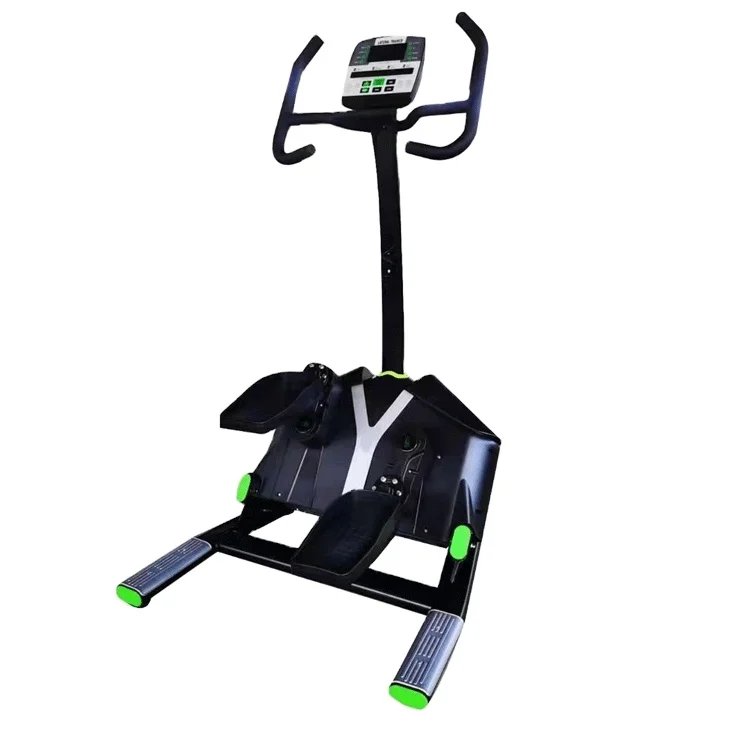
Commercial Transverse Elliptical Machine 300KGS Capacity for Gym Centers